


African Butterfly Fish Care Guide: Everything You Need to Know
Written By: Captain Kody Michael
Scientifically known as Pantodon buchholzi, the African butterfly fish spends most of its life immediately below the water’s surface. Its brown, mottled coloring helps it blend among floating plants, roots and fallen vegetation. When prey comes within reach, the fish strikes quickly with its large, upward facing mouth.
Although the African butterfly fish is fascinating to watch, it requires a carefully designed aquarium. A secure lid, calm water, suitable food and thoughtfully selected tank mates are essential. This guide explains everything you need to know before adding this remarkable species to your freshwater aquarium.
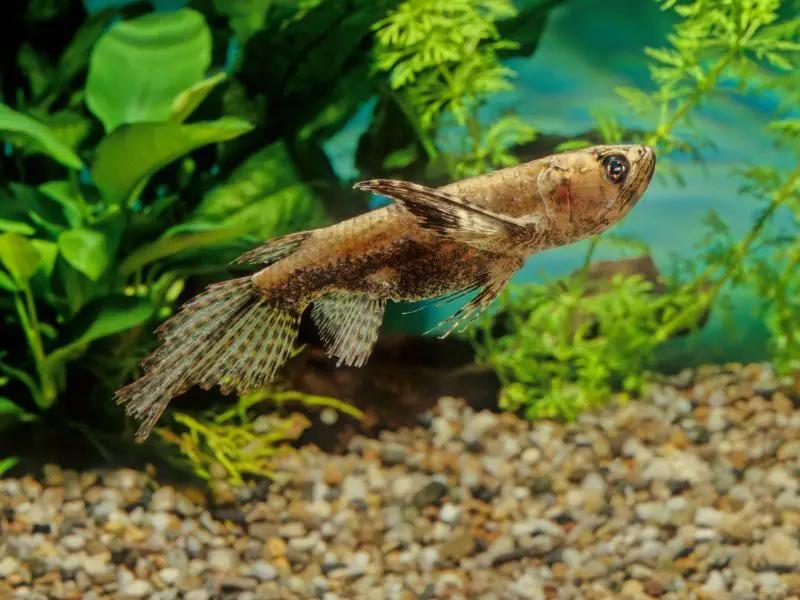
What Is an African Butterfly Fish?
The African butterfly fish is a tropical freshwater species native to West and Central Africa. According to the species profile from FishBase, African butterfly fish inhabit calm areas of rivers, swamps, creeks and backwaters. They are generally found close to the surface in areas with dense vegetation and slow water movement.
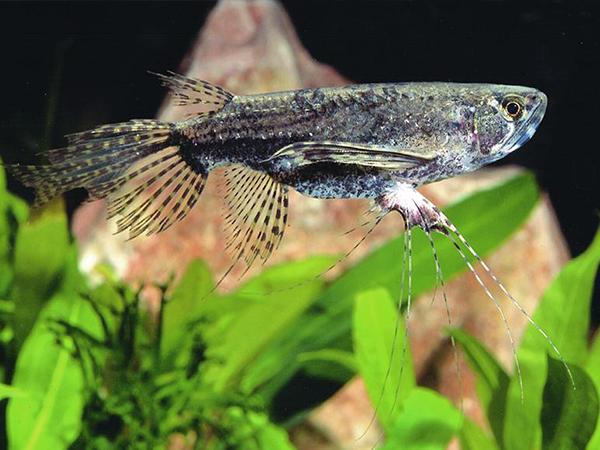
The large pectoral fins give the fish its butterfly inspired appearance. These fins may look like wings, but the fish does not truly fly. Instead, it can launch itself above the surface in a powerful jump. In nature, jumping may help it catch insects or escape predators.
An adult African butterfly fish commonly reaches approximately 4 to 5 inches in length. FishBase records a maximum wild length of about 4.7 inches, although larger specimens have occasionally been reported in aquariums.
Natural Habitat and Distribution
These fish usually inhabit calm or slow moving water. They are especially comfortable in swamps, forest streams, quiet river margins and vegetated backwaters. The surface may be shaded by trees, floating plants or overhanging vegetation.
Understanding this habitat is important when designing an aquarium. An African butterfly fish does not need a tank with strong currents and large open areas. It needs a peaceful surface, subdued lighting, plant cover and places where it can wait for food.
Ideal African Butterfly Fish Tank Size
A single African butterfly fish should generally be kept in an aquarium of at least 30 gallons. A larger tank is preferable when keeping multiple fish or creating a community aquarium.
The dimensions of the tank matter as much as its total volume. Because this species lives near the surface, a long and wide aquarium offers more useful territory than a tall, narrow aquarium. The fish benefits from generous horizontal swimming space and multiple areas of floating plant cover.
The aquarium must have a secure, tightly fitted lid. Any openings around filters, heaters or cables should be covered. The African butterfly fish is an extremely capable jumper and can escape through surprisingly small spaces.
It is helpful to leave a modest air space between the water and the lid. However, the water level should not be lowered so far that it reduces the aquarium’s usable capacity or interferes with filtration.
African Butterfly Fish Tank Setup
The best African butterfly fish aquarium recreates a calm, shaded environment. The goal is to provide security near the surface while leaving enough open water for feeding.
Floating Plants
Floating plants are one of the most valuable additions to the aquarium. They soften the lighting, create natural hiding places and help the fish feel less exposed.
Suitable choices may include Amazon frogbit, red root floaters and Salvinia. Avoid allowing plants to cover the entire surface. The African butterfly fish still needs open areas where it can breathe, rest and locate food.
Gentle Filtration
Strong surface turbulence can make the fish uncomfortable and interfere with feeding. Use a filter that maintains water quality without creating an aggressive current across the top of the tank.
A sponge placed over the filter intake can reduce the risk of injury. The filter return can also be positioned or adjusted to create gentler movement.
Natural Decorations
Driftwood, smooth branches, dark substrate and rooted plants can help create a natural appearance. Decorations should not have sharp edges that could damage the fish’s long fins.
Plants such as Anubias, Java fern and Cryptocoryne can work well in the lower portions of the aquarium. The African butterfly fish may not use the bottom frequently, but a planted environment can help the entire aquarium feel more secure.
Subdued Lighting
Bright, uncovered lighting can make this surface dwelling species nervous. Floating plants and adjustable aquarium lights can create a more comfortable setting.
A gradual lighting schedule is preferable to lights that turn on suddenly at full intensity. Turning on the room lights before the aquarium lights may also reduce startling behavior.
Water Temperature and Parameters
Stable water conditions are more important than reaching one perfect number. The African butterfly fish is a tropical species and should not be exposed to rapid temperature or chemistry changes.
A practical target range includes:
Temperature: 75°F to 82°F
pH: Approximately 6.0 to 7.5
Water hardness: Soft to moderately hard
Ammonia: 0 parts per million
Nitrite: 0 parts per million
Nitrate: As low as reasonably possible
FishBase lists a broader natural temperature range of approximately 73°F to 86°F. In an aquarium, maintaining a stable temperature within the middle of that range is usually more practical.
The aquarium must be fully cycled before the African butterfly fish is introduced. Test the water regularly and perform routine partial water changes. New water should be treated with an aquarium water conditioner and brought close to the tank’s existing temperature.
What Do African Butterfly Fish Eat?
The African butterfly fish is primarily a surface feeding predator. In nature, it consumes terrestrial insects, aquatic insect larvae, crustaceans and occasionally small fish. Its mouth and eye position allow it to detect and capture prey at the water’s surface.
The FishBase species profile identifies the species as an insectivore that eats insects, larvae, nymphs, crustaceans and fish. The detailed aquarium profile from Seriously Fish also describes it as primarily insectivorous.
Good foods for an African butterfly fish may include:
- Floating carnivore pellets
- Crickets from safe, pesticide free sources
- Flightless fruit flies
- Bloodworms
- Brine shrimp
- Mysis shrimp
- Mosquito larvae produced under safe conditions
- Chopped earthworms
- Other appropriately sized frozen or live foods
Food should remain at or near the surface. Many African butterfly fish ignore food once it sinks because they rarely search the bottom.
Some specimens accept floating pellets immediately, while others need time to recognize prepared food. If the fish was previously fed live food, frozen insects or worms can sometimes help with the transition. A varied diet is preferable to relying on one food.
Avoid collecting insects from areas treated with pesticides, fertilizers or other chemicals. Wild insects may expose aquarium fish to contaminants.
African Butterfly Fish Behavior
The African butterfly fish is an ambush predator. It may remain almost motionless for long periods before making a sudden movement toward food.
This quiet behavior does not necessarily mean the fish is sick. A healthy specimen may spend much of the day resting beneath floating plants and become more active during feeding or when the lighting is lower.
African butterfly fish can be territorial toward other surface dwelling fish. Some individuals tolerate members of their own species, while others become aggressive when surface space is limited. A larger aquarium with visual barriers is important if more than one is kept.
Because the species is easily startled and capable of explosive jumps, avoid sudden movements near an uncovered aquarium. The lid should remain closed except during feeding and maintenance.
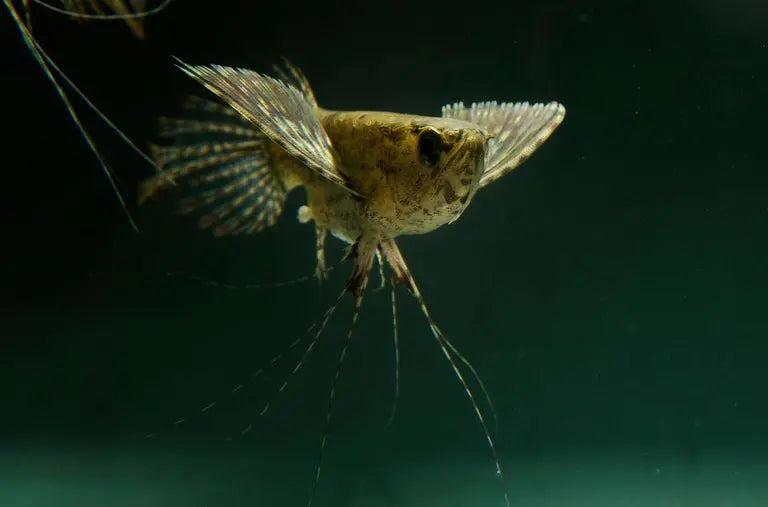
Best African Butterfly Fish Tank Mates
Choosing suitable tank mates requires careful consideration. The African butterfly fish is generally most compatible with peaceful or moderately active species that occupy the middle and lower levels of the aquarium.
Possible tank mates include:
- Peaceful medium sized catfish
- Certain larger tetras
- Congo tetras
- Peaceful African cichlids that do not nip fins
- Medium sized loaches
- Calm bottom dwelling fish
Every fish has an individual temperament, so compatibility is never guaranteed. Monitor the aquarium carefully after introducing any new fish.
Very small fish should not be kept with an African butterfly fish. If another fish fits inside its mouth, it may eventually be eaten. This includes small guppies, tiny rasboras and young fish.
Avoid aggressive species and persistent fin nippers. The African butterfly fish has delicate, extended fins that may attract unwanted attention. Fast surface feeders can also cause problems by taking all the food before the butterfly fish has a chance to eat.
Can African Butterfly Fish Live Together?
African butterfly fish can sometimes live in a group, but success depends on the size and layout of the aquarium. Multiple fish require significantly more surface area than a single specimen.
Floating plants, branches and separate feeding areas can reduce conflict. Each fish should have enough room to establish a resting location without constantly encountering another individual.
In smaller aquariums, keeping one African butterfly fish is usually the safer choice. If aggression occurs, the aquarist should have a separate cycled aquarium or divider available.
How Long Do African Butterfly Fish Live?
An African butterfly fish may live approximately 5 years in a well maintained aquarium, although lifespan can vary. Genetics, collection methods, diet, water quality and stress all influence longevity.
Consistent care gives the fish the best chance of reaching its expected lifespan. This means providing clean water, appropriate food, low stress surroundings and compatible tank mates.
A sudden loss of appetite, unusual swimming, damaged fins or prolonged hiding should be investigated. Test the water first whenever the fish behaves differently because poor water quality is a common cause of aquarium health problems.
Male and Female African Butterfly Fish
Mature males and females can sometimes be distinguished by the shape of the anal fin. A male generally has a more curved or notched anal fin, while the female’s anal fin tends to have a straighter edge.
Sexing young or stressed fish can be difficult. Body size and coloration alone are not always dependable indicators.
Breeding African butterfly fish in an aquarium is possible, but raising the young can be challenging. The species produces floating eggs. Adults may eat the eggs, so breeders commonly transfer them to a separate rearing aquarium.
The fry stay near the surface and require extremely small floating foods. Even experienced aquarists may find it difficult to provide suitable food during the earliest stages of development.
Common African Butterfly Fish Care Mistakes
Using an Aquarium Without a Secure Lid
This is one of the most dangerous mistakes. An African butterfly fish can jump with considerable force. A small opening may be enough for the fish to escape.
Creating Too Much Surface Current
Strong water movement can prevent the fish from resting comfortably and make surface feeding difficult. Filtration should be effective but gentle.
Feeding Only Sinking Food
The African butterfly fish is adapted to feeding from above. Food that immediately falls to the substrate may be ignored.
Keeping Very Small Tank Mates
Small fish can become prey, even if they appear to coexist peacefully at first.
Choosing Fin Nipping Tank Mates
The extended fins of the African butterfly fish can be damaged by aggressive or curious companions.
Providing No Surface Cover
An exposed aquarium may increase stress. Floating plants provide security and make the environment feel more natural.
Adding the Fish to an Uncycled Tank
Like all aquarium fish, this species can be harmed by ammonia and nitrite. The tank should be fully established and tested before the fish is introduced.
Is the African Butterfly Fish Good for Beginners?
The African butterfly fish is usually better suited to an aquarist with some freshwater experience. Its care is not impossible, but it has specific requirements that can create problems for an unprepared owner.
A beginner who understands the aquarium nitrogen cycle, tests water regularly and researches feeding requirements may still succeed. However, this fish should not be treated like a typical community species.
The owner must be prepared to provide a secure lid, floating food, gentle filtration and carefully selected tank mates. Observing the fish during meals is also important because shy individuals may be outcompeted.
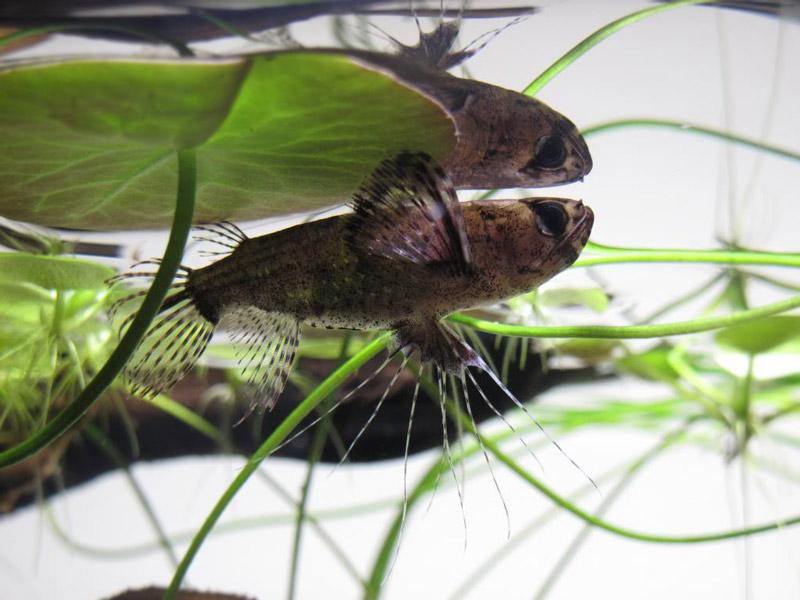
Frequently Asked Questions About African Butterfly Fish
Are African Butterfly Fish Aggressive?
African butterfly fish are predators, but they are not constantly aggressive. They may eat smaller fish and can become territorial toward other surface dwellers. They are usually less interested in peaceful fish that remain near the middle or bottom of the aquarium.
Do African Butterfly Fish Actually Fly?
No. The African butterfly fish does not fly like a bird or insect. It can jump forcefully above the water, but research cited by FishBase describes it as a ballistic jumper rather than a true glider.
Do African Butterfly Fish Need Air?
The African butterfly fish can breathe atmospheric air with the help of a specialized swim bladder. It should always have unobstructed access to the surface. This ability does not replace the need for clean, oxygenated aquarium water.
Will African Butterfly Fish Eat Flakes?
Some may accept floating flakes, but flakes alone are unlikely to provide the best long term diet. High quality floating pellets and varied insect based, frozen or live foods are generally more suitable.
Can African Butterfly Fish Live With Bettas?
This combination is not recommended. Both species spend considerable time near the surface, and a betta’s fins may trigger territorial behavior or competition. The African butterfly fish may also intimidate or injure a smaller betta.
How Big Do African Butterfly Fish Get?
Most adults reach approximately 4 to 5 inches. Their broad pectoral fins make them look larger, especially when viewed from above.
Why Is My African Butterfly Fish Not Eating?
A new fish may refuse food because of stress, bright lighting, strong surface movement or unfamiliar food. Check the water parameters first. Offer suitable floating foods and ensure that tank mates are not taking everything. Continued appetite loss, labored breathing or physical changes may require advice from an aquatic veterinarian.
Final Thoughts
The African butterfly fish is a captivating freshwater predator with ancient origins and highly specialized behavior. Its unusual fins, surface dwelling lifestyle and rapid feeding strikes can make it the centerpiece of a thoughtfully designed aquarium.
Successful care begins with understanding how the species lives in nature. The African butterfly fish needs calm water, surface cover, a secure lid and food that remains within reach. It should never be housed casually with tiny fish, aggressive species or persistent fin nippers.
For an aquarist willing to provide the right conditions, the African butterfly fish offers something genuinely different from the typical community aquarium. A long tank with floating plants, gentle filtration and carefully selected companions can showcase its natural behavior while supporting a healthy and comfortable life.
Feel free to ask any questions you might have about anything you read in this blog.
We started Reel Guides to make it easy to book fishing trips around the United States.
Click here to browse and book your next fishing charter in Florida!
Readers can benefit from a special promotion code from Mustad Fishing.
Use promo code REELGUIDES for an additional 20% off your next order at www.mustad-fishing.com.