
Best Fishing Kayaks: Choosing the Right Kayak
Written By: Captain Kody Michael
Since then, I’ve spent countless days fishing from different styles of kayaks in rivers, lakes, back bays, and coastal waters. Some were incredibly stable. Others were fast but difficult to fish from. Each trip taught me something new about what actually matters on the water.
If you’re searching for the best fishing kayaks, you’re probably overwhelmed by the number of options available today. Every manufacturer claims to build the ultimate fishing platform, but the reality is that the best kayak depends on how and where you fish.
This guide covers everything I’ve learned after spending years fishing from kayaks and researching the latest designs. Whether you’re chasing bass, redfish, snook, trout, pike, or offshore species, you’ll know exactly what to look for before making your investment.
Why More Anglers Are Choosing the Best Fishing Kayaks
Fishing kayaks have changed dramatically over the last decade.
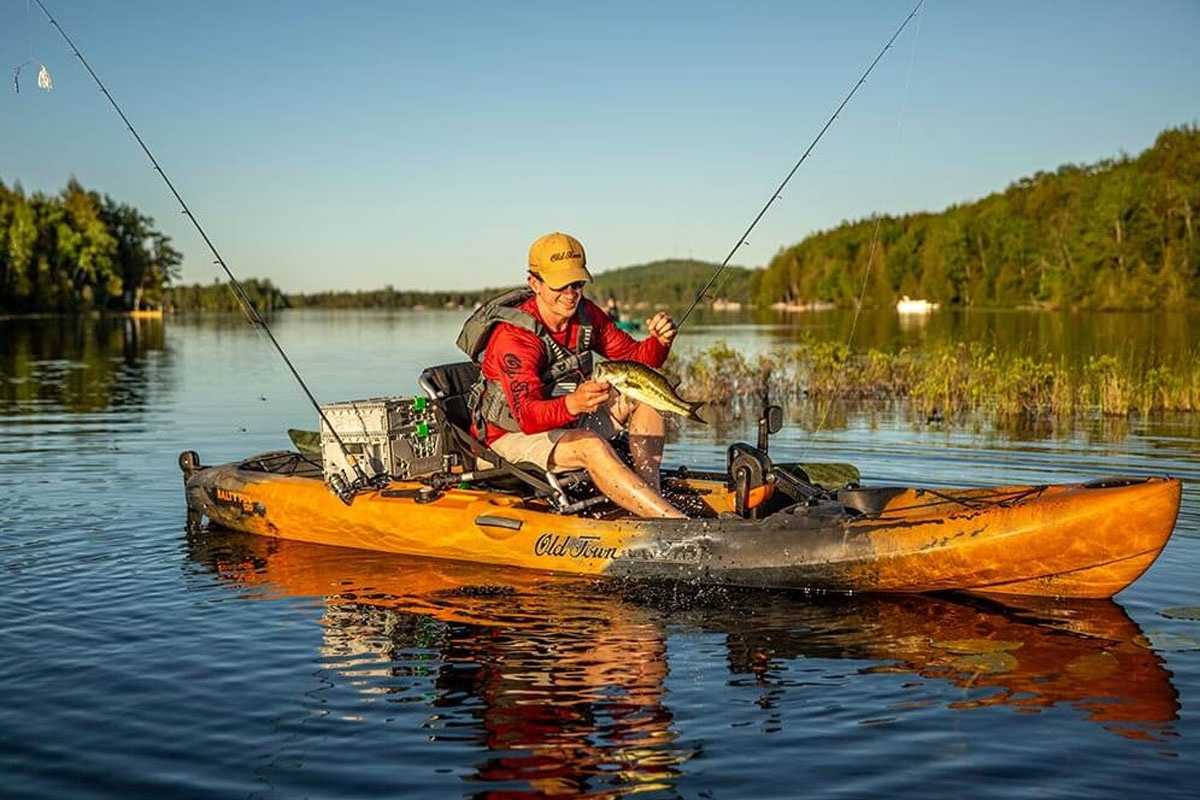
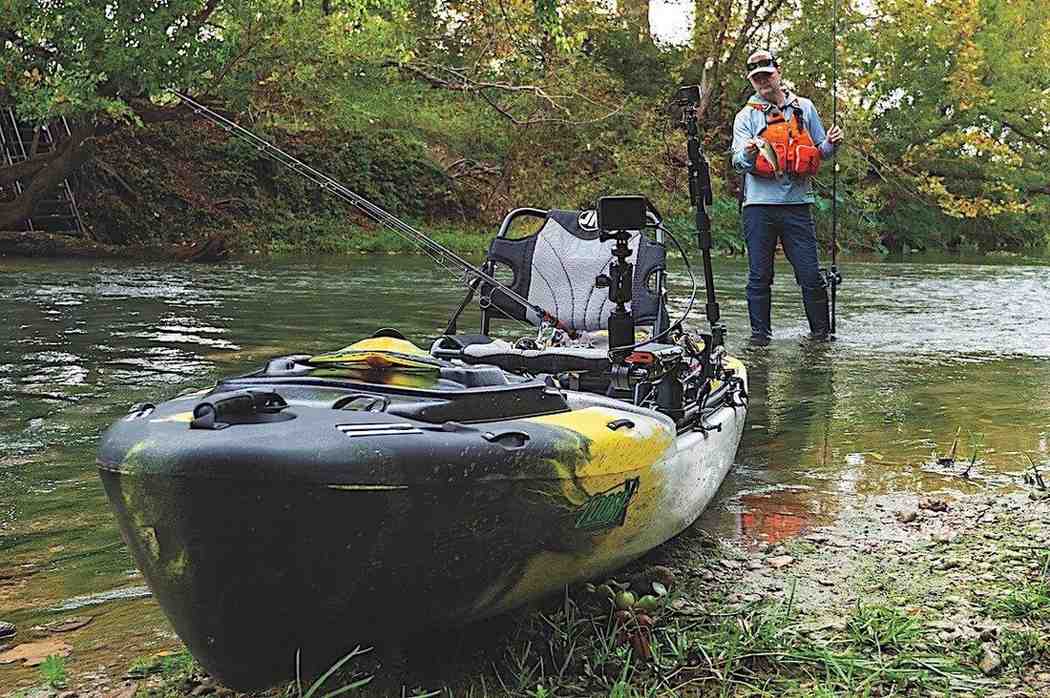
Modern fishing kayaks are no longer simple plastic boats with a paddle. Many now include elevated seating, pedal drives, fish finder mounts, rod holders, storage systems, anchor trolleys, and even electric motors.
One of the biggest advantages is access.
A kayak lets you quietly reach places that larger boats simply cannot. I’ve slipped into shallow grass flats where redfish were tailing in less than a foot of water. I’ve floated narrow creeks filled with bass that never see a boat. Some of my most productive fishing days happened in areas that would have been impossible to reach with a traditional fishing boat.
According to the American Sportfishing Association, kayak fishing continues to be one of the fastest growing segments of recreational fishing in North America because of its affordability, accessibility, and versatility.
What Makes the Best Fishing Kayaks Different
After using multiple kayaks over the years, a few features consistently separate great fishing kayaks from average ones.
Stability
Stability is everything.
The first time you hook a large fish while standing up, you’ll appreciate a wide hull. A kayak that feels slightly slower but offers excellent stability is almost always more enjoyable than one that’s fast but constantly feels tippy.
Many of today’s best fishing kayaks are over 34 inches wide, giving anglers confidence to stand, sight fish, and cast comfortably.
Comfortable Seating
A good seat can completely change your fishing experience.
Early kayaks forced anglers to sit directly on molded plastic. After four hours, my back reminded me why those seats disappeared from premium models.
Modern framed seats sit higher above the deck, improve visibility, keep you dry, and provide much better support during long fishing trips.
Storage
Fishing gear adds up quickly.
Tackle trays, landing nets, dry bags, safety equipment, extra rods, coolers, cameras, and snacks all need dedicated space.
The best fishing kayaks offer large rear tank wells, sealed storage compartments, gear tracks, and easy access to frequently used equipment without twisting around awkwardly.
Rigging Options
One thing I appreciate most is being able to customize my kayak.
Track systems allow easy installation of rod holders, fish finders, camera mounts, cup holders, GPS units, and phone holders without drilling permanent holes.
Many anglers also install products from companies like YakAttack and Railblaza to build highly personalized fishing setups.
Pedal Kayaks Versus Paddle Kayaks
This question comes up constantly.
I’ve owned both, and each has advantages.
Paddle Fishing Kayaks
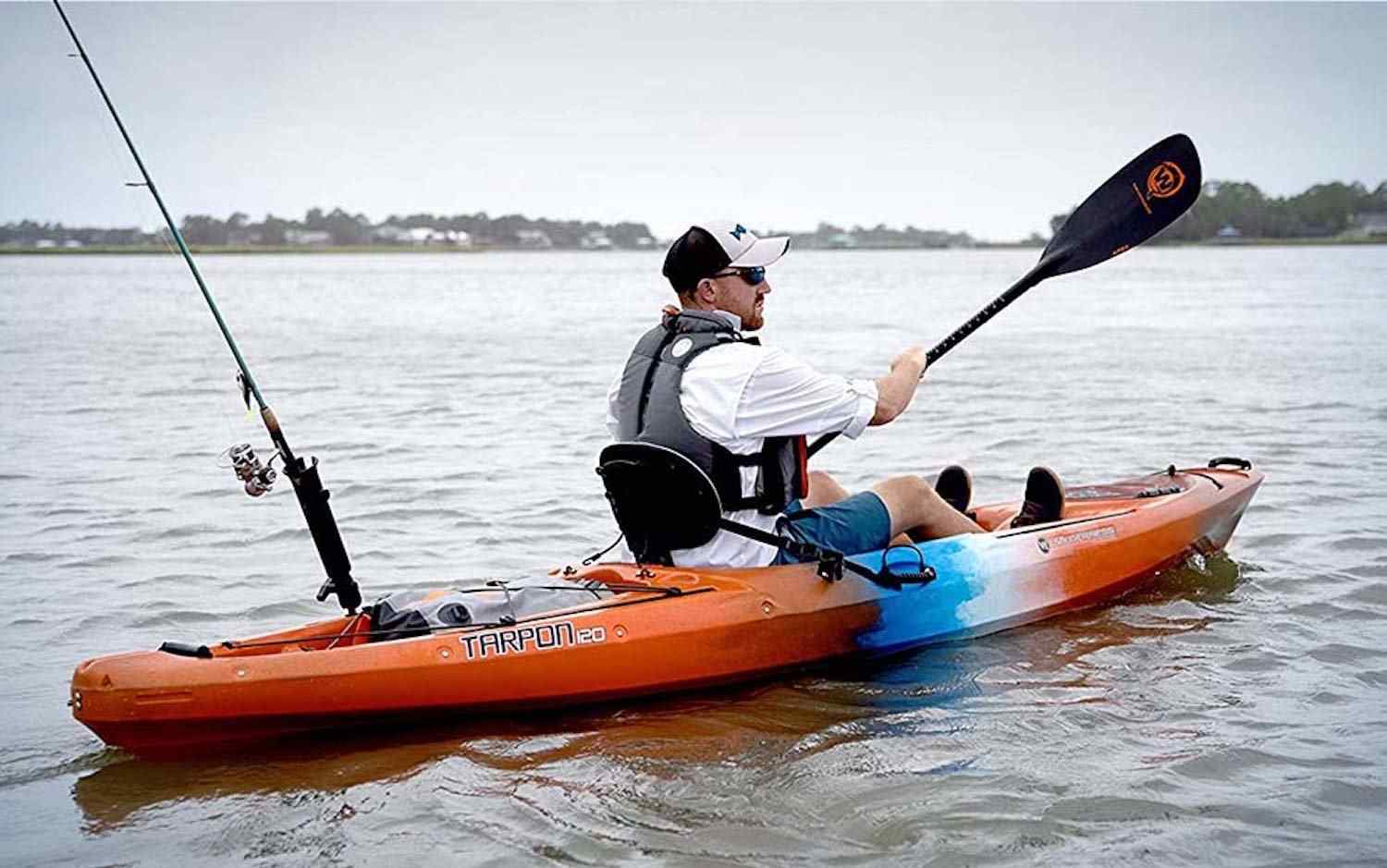
Paddle kayaks are generally lighter, less expensive, easier to transport, and require less maintenance.
They work especially well for:
- Small lakes
- Rivers
- Short fishing trips
- Beginners
- Anglers with limited storage space
Pedal Fishing Kayaks
Pedal drives completely change how you fish.
Being able to keep both hands on the rod while slowly moving forward is incredibly helpful when working shorelines or staying positioned over structure.
Pedal systems also reduce fatigue during longer trips.
The tradeoff is additional weight, higher cost, and more maintenance.
If you regularly spend six to eight hours on the water, pedal kayaks quickly justify their price.
The Best Fishing Kayaks for Different Types of Anglers
There isn’t one perfect kayak.
Instead, there are several outstanding options depending on your fishing style.
Best Fishing Kayaks for Beginners
New anglers should prioritize:
- Stability
- Comfortable seating
- Simple rigging
- Affordable pricing
- Easy transportation
There’s no need to buy every accessory immediately.
Learn what you actually use before investing in expensive upgrades.
Best Fishing Kayaks for Bass Fishing
Bass anglers often stand while casting.
That makes stability the highest priority.
Wide hulls, elevated seats, electronics mounting options, and plenty of storage create an ideal bass fishing platform.
Many competitive kayak bass anglers also use fish finders from Garmin or Lowrance for locating structure and schools of fish.
Best Fishing Kayaks for Saltwater
Saltwater introduces different challenges.
Corrosion resistance becomes important.
Longer hulls improve efficiency over larger distances.
Good drainage is essential after launching through surf.
A quality anchor trolley also helps maintain position around docks, bridges, oyster bars, and mangroves.
Length Matters More Than Most People Think
One mistake I made early was assuming longer automatically meant better.
That’s not always true.
10 Foot Kayaks
Easy to transport.
Easy to store.
Great for small ponds and rivers.
Less efficient for covering long distances.
12 Foot Kayaks
This is the sweet spot for many anglers.
You gain improved tracking while maintaining good maneuverability.
Many of today’s best fishing kayaks fall into this size category.
13 to 14 Foot Kayaks
Ideal for larger lakes and coastal fishing.
They paddle more efficiently and maintain speed with less effort.
The downside is transportation.
Loading a heavy 14 foot fishing kayak by yourself after a long day can become exhausting.
Essential Accessories Worth Buying
Not every accessory is necessary.
These are the ones I’ve found myself using almost every trip.
Personal Flotation Device
Always wear one.
The U.S. Coast Guard Boating Safety Division recommends wearing a properly fitted life jacket whenever you’re on the water.
Anchor System
Wind changes everything.
An anchor allows you to stay positioned over productive areas instead of constantly drifting away.
Fish Finder
Modern electronics have become remarkably compact.
Even basic units dramatically improve your ability to locate drop offs, submerged vegetation, bait schools, and fish.
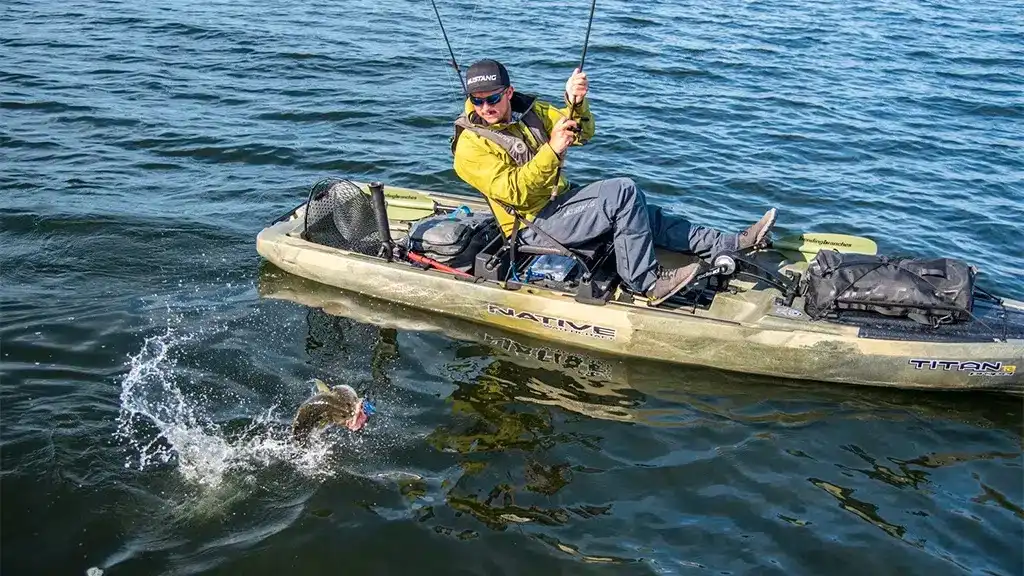
Landing Net
Trying to lip a large fish while balancing in a kayak isn’t always the best idea.
A quality landing net saves fish, protects your gear, and prevents unexpected swims.
Mistakes I See New Kayak Anglers Make
The first mistake is buying based solely on price. The cheapest kayak often becomes the most expensive because many anglers replace it within a year. The second mistake is ignoring weight. Some premium fishing kayaks weigh over 100 pounds before adding gear. Think honestly about loading, unloading, roof racks, trailers, and storage before purchasing. The third mistake is carrying too much equipment. When I first started, my kayak looked like a floating tackle shop. Over time, I realized I only used a small percentage of what I packed. Now I carry fewer rods, fewer tackle trays, and spend far more time actually fishing.
How to Choose the Best Fishing Kayaks
Ask yourself these questions before buying.
Where will you fish most often?
Do you need to stand while casting?
Will you transport the kayak alone?
Do you want pedal power?
Do you eventually plan to install electronics?
How much gear do you realistically bring?
Answering those questions usually narrows the options much faster than comparing dozens of specifications online.
If possible, attend demo days hosted by local kayak dealers or fishing events.
Nothing replaces spending fifteen minutes on the water before making a major purchase.
Maintenance Tips That Extend the Life of Your Kayak
Fishing kayaks require surprisingly little maintenance, but a few habits make a big difference.
Rinse your kayak thoroughly after every saltwater trip.
Inspect the hull for deep scratches before storing it.
Check pedal drive components regularly.
Lubricate moving parts according to the manufacturer’s recommendations.
Store the kayak out of direct sunlight whenever possible to reduce UV damage.
These simple habits can keep a fishing kayak performing well for many years.
For additional care recommendations, the American Canoe Association provides helpful paddling and maintenance resources.
Frequently Asked Questions About the Best Fishing Kayaks
Are fishing kayaks worth the money?
Absolutely. A quality fishing kayak provides access to water that many boats cannot reach while costing significantly less than a traditional bass boat or bay boat.
Can beginners use fishing kayaks?
Yes. Many modern fishing kayaks are extremely stable and designed specifically for first time kayak anglers.
What size fishing kayak is best?
For most anglers, a 12 foot model offers the best balance of speed, stability, storage, and maneuverability.
Do I need a pedal drive?
Not necessarily.
Pedal drives are excellent for long days and covering larger areas, but paddle kayaks remain highly effective and much more affordable.
Can I stand while fishing?
Many of today’s best fishing kayaks are specifically designed for standing and sight fishing, although stability varies between models.
Final Thoughts
Choosing among the best fishing kayaks isn’t about buying the most expensive model. It’s about finding one that matches your style of fishing, your local waters, and the way you actually spend time outdoors.
After years of fishing from kayaks, the biggest lesson I’ve learned is that confidence matters more than flashy accessories. When your kayak feels stable, comfortable, and organized, you stop thinking about the boat and start focusing on finding fish.
Whether you’re paddling into a quiet freshwater cove before sunrise or drifting across shallow saltwater flats as the tide begins to move, the right kayak opens up opportunities that many anglers never experience.
Take your time, test a few models if possible, and invest in a kayak you’ll enjoy using for years. The best fishing kayaks are the ones that help you spend more time fishing, explore new water with confidence, and create unforgettable days on the water.
Feel free to ask any questions you might have about anything you read in this blog.
We started Reel Guides to make it easy to book fishing trips around the United States.
Click here to browse and book your next fishing charter in Florida!
Readers can benefit from a special promotion code from Mustad Fishing.
Use promo code REELGUIDES for an additional 20% off your next order at www.mustad-fishing.com.