


Butterfly Fish: Species, Diet and Aquarium Tips
Written By: Captain Kody Michael
Butterfly fish are among the most captivating creatures in the ocean. Known for their vibrant colors, intricate patterns, and graceful swimming, Butterfly fish have fascinated marine enthusiasts, divers, and aquarium hobbyists for decades. Whether you are researching marine life, considering adding one to your aquarium, or simply curious about these stunning fish, this guide will give you everything you need to know about Butterfly fish.
What Is a Butterfly Fish?
The term Butterfly fish refers to a group of tropical marine fish belonging to the family Chaetodontidae. These fish are commonly found in coral reefs across the Atlantic, Indian, and Pacific Oceans. Their name comes from their bright colors and fluttering movements, which resemble butterflies in motion.
Butterfly fish are closely related to angelfish, but they are generally smaller and have more pointed snouts. These snouts help them feed on tiny organisms hidden in coral crevices.
If you want to explore scientific classification and marine biology details, a great high authority source is the Smithsonian Institution, which offers extensive marine species documentation.
Natural Habitat of Butterfly Fish
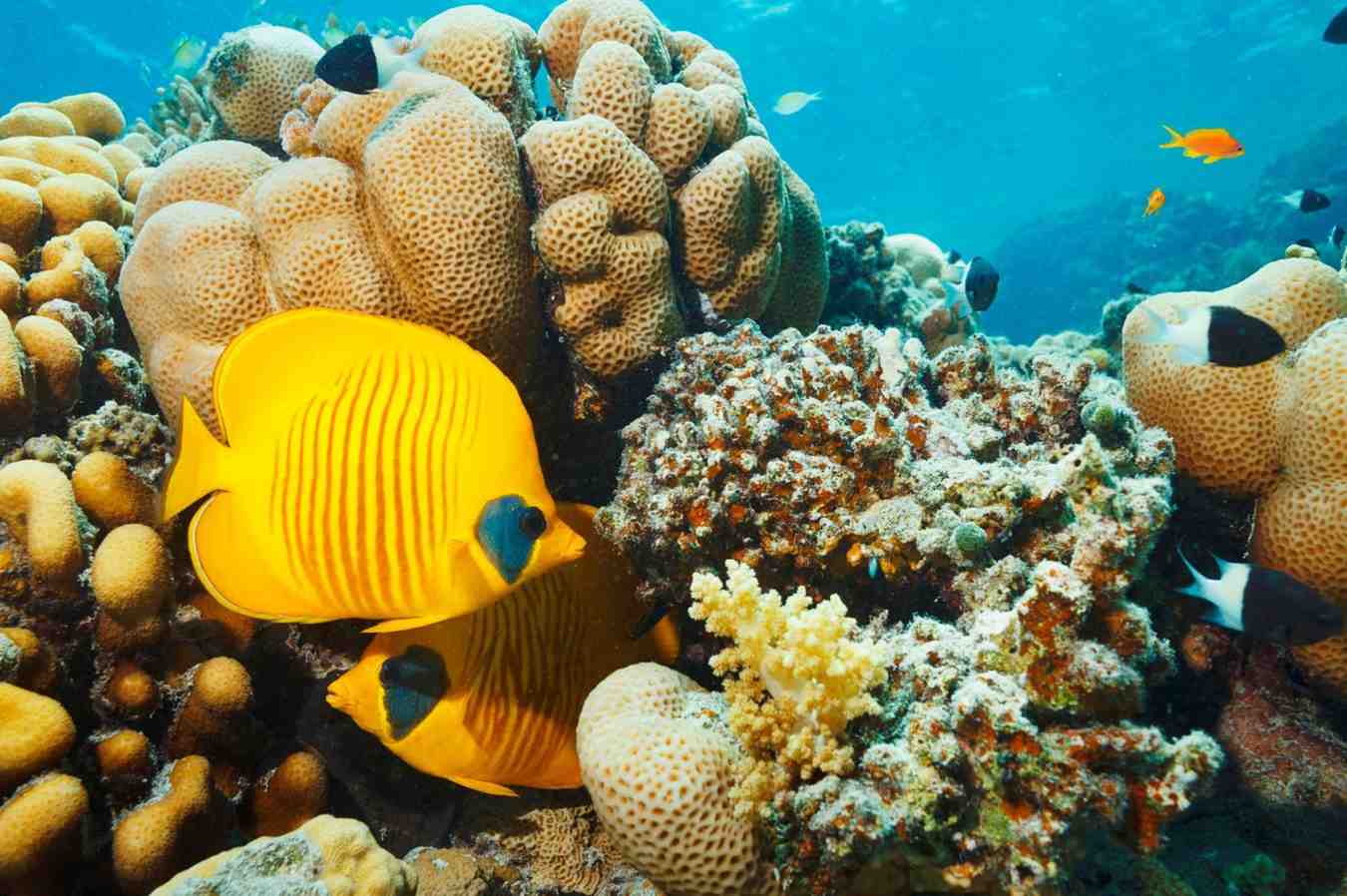
Butterfly fish thrive in warm, tropical waters, especially around coral reefs. Coral reefs provide them with shelter, food, and protection from predators.
You can commonly find Butterfly fish in:
- The Great Barrier Reef
- The Caribbean Sea
- The Red Sea
- Indo-Pacific regions
These environments are rich in coral formations, which are essential for the survival of many Butterfly fish species. Coral not only provides food but also acts as a hiding place.
For reef conservation insights, organizations like National Geographic Society publish valuable research on coral ecosystems and marine biodiversity.
Physical Characteristics of Butterfly Fish
Butterfly fish are instantly recognizable due to their striking appearance. Some defining features include:
Bright colors
Butterfly fish display a wide range of colors including yellow, orange, black, white, and blue. Their patterns are often unique to each species.
Eye stripes
Many Butterfly fish have a dark stripe running through their eye. This helps confuse predators and protect their most vulnerable area.
False eyespots
Some species have markings on their bodies that resemble eyes. These fake eyes can mislead predators into attacking the wrong direction.
Flat, disk shaped bodies
Their body shape allows them to move easily through coral reefs and tight spaces.
Small mouths and long snouts
These features help them feed on coral polyps and small invertebrates.
Popular Species of Butterfly Fish
There are over 100 species of Butterfly fish, each with its own unique look and behavior. Some of the most popular species include:
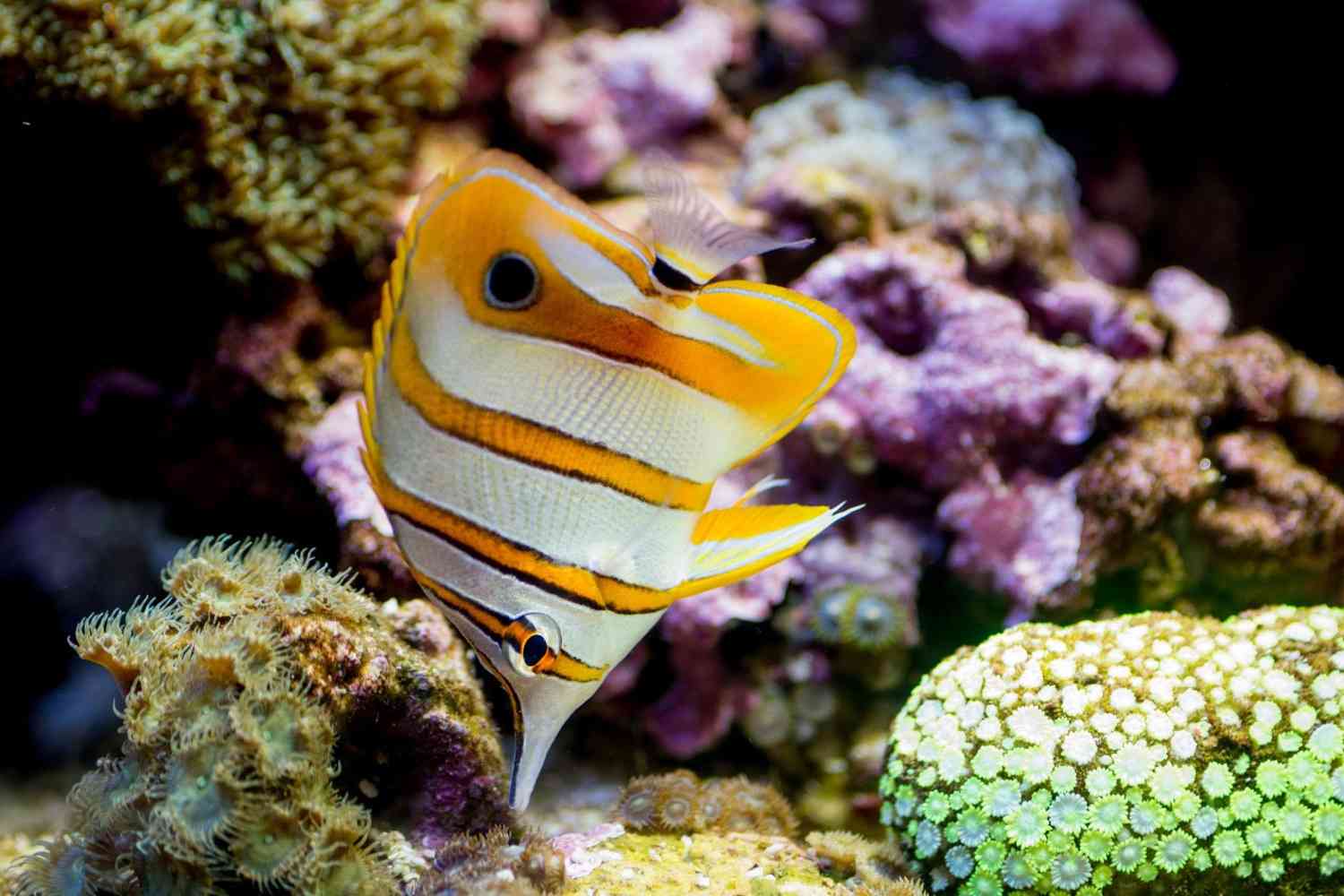
Copperband Butterfly Fish
Known for its orange vertical stripes and long snout, this species is popular in aquariums.
Threadfin Butterfly Fish
This species has a bright yellow body with a distinctive trailing dorsal fin.
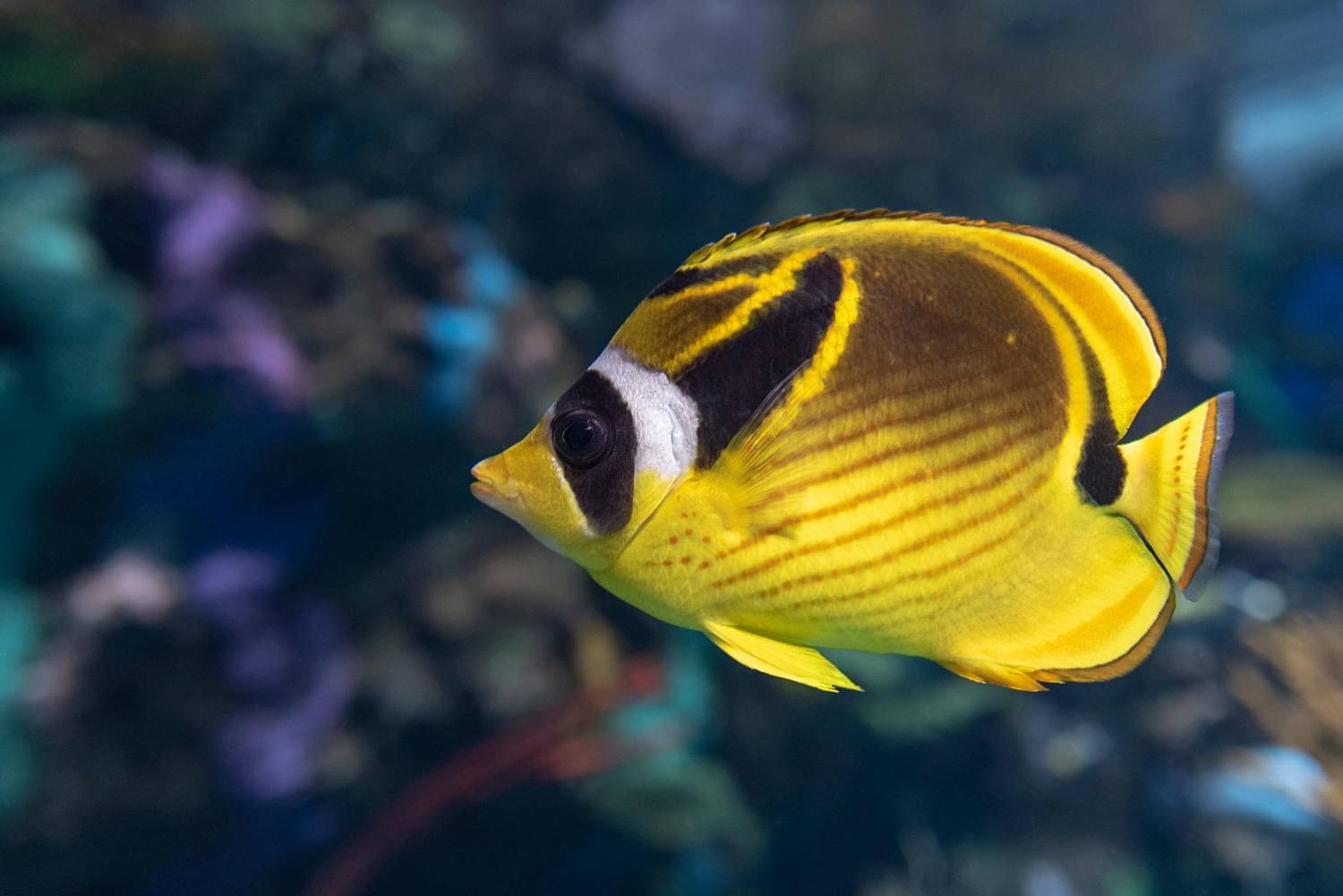
Raccoon Butterfly Fish
Recognizable by its black mask, similar to a raccoon.
Auriga Butterfly Fish
A hardy species often recommended for beginners.
For species identification and marine databases, websites like World Register of Marine Species provide reliable and authoritative information.
Diet and Feeding Habits
Butterfly fish have specialized diets that vary depending on the species. In the wild, they primarily feed on:
Coral polyps
Small invertebrates
Algae
Plankton
Some Butterfly fish are obligate corallivores, meaning they rely heavily on coral for food. Others are more adaptable and can eat a wider variety of foods.
In captivity, feeding Butterfly fish can be challenging. Aquarium owners often provide:
Frozen foods
Brine shrimp
Mysis shrimp
Specialized marine fish diets
Understanding their dietary needs is crucial for their survival, especially in home aquariums.
Behavior and Social Structure
Butterfly fish exhibit fascinating behaviors. Many species are known for forming monogamous pairs, which is rare among fish. These pairs often stay together for life and defend their territory.
Other behavioral traits include:
Territorial behavior
Butterfly fish may defend feeding areas aggressively.
Daytime activity
They are diurnal, meaning they are most active during the day.
Graceful swimming
Their movement is slow and elegant, making them a favorite among divers.
For behavioral studies and marine ecology research, Woods Hole Oceanographic Institution is a trusted source of scientific insight.
Butterfly Fish in Aquariums
Butterfly fish are highly sought after in the aquarium trade due to their beauty. However, they are not always beginner friendly.
Challenges of Keeping Butterfly Fish
Dietary needs
Some species are difficult to feed in captivity.
Sensitivity
Butterfly fish can be sensitive to water conditions.
Compatibility
They may not get along with certain tank mates.
Ideal Tank Conditions
Large tank size
Stable water parameters
Plenty of live rock
Coral like structures
Before adding Butterfly fish to your aquarium, it is important to research the specific species and its care requirements.
For aquarium care guides and expert advice, Marine Aquarium Societies of North America offers helpful resources.
Importance of Butterfly Fish in Ecosystems
Butterfly fish play a critical role in maintaining the health of coral reefs. They help control coral growth and keep ecosystems balanced.
Their presence is often an indicator of reef health. A decline in Butterfly fish populations can signal environmental problems such as coral bleaching or pollution.
Marine conservation groups like World Wildlife Fund emphasize the importance of protecting species like Butterfly fish to preserve ocean ecosystems.
Threats Facing Butterfly Fish
Despite their beauty, Butterfly fish face several threats in the wild:
Climate change: Rising ocean temperatures lead to coral bleaching.
Habitat destruction: Coral reefs are being damaged by human activity.
Overfishing: Some species are captured for the aquarium trade.
Pollution: Ocean pollution affects water quality and food sources.
How to Help Protect Butterfly Fish
You do not need to be a marine biologist to help protect Butterfly fish. Simple actions can make a difference:
Support sustainable seafood choices
Reduce plastic use
Support marine conservation organizations
Avoid purchasing wild caught specimens when possible
Educate others about reef protection
Even small steps contribute to preserving the natural habitats of Butterfly fish.
Fun Facts About Butterfly Fish
Butterfly fish have more interesting traits than most people realize:
Some species can change color at night for camouflage
Many live in pairs and recognize their partners
They can swim in tight coral spaces with incredible precision
Their patterns are unique like fingerprints
These characteristics make Butterfly fish one of the most fascinating marine species to study.
Why Butterfly Fish Are So Popular
The popularity of Butterfly fish comes down to a combination of beauty and behavior. Their vibrant colors and peaceful swimming style make them visually appealing, while their unique habits add to their charm.
Divers often seek out Butterfly fish when exploring coral reefs because they are easy to spot and photograph. Aquarium enthusiasts admire them for their elegance, although they require careful maintenance.
Final Thoughts on Butterfly Fish
Butterfly fish are more than just beautiful creatures. They are an essential part of marine ecosystems and a symbol of the delicate balance within coral reefs. From their stunning appearance to their complex behaviors, Butterfly fish continue to captivate people around the world.
If you are considering keeping Butterfly fish or simply want to learn more about marine life, understanding their needs and challenges is key. Protecting their natural habitat ensures that future generations can continue to admire these incredible fish.
By supporting conservation efforts and spreading awareness, you can play a role in preserving the world of Butterfly fish and the vibrant ecosystems they call home.
We started Reel Guides to make it easy to book fishing trips around the United States.
Click here to browse and book your next fishing charter in Florida!
Readers can benefit from a special promotion code from Mustad Fishing.
Use promo code REELGUIDES for an additional 20% off your next order at www.mustad-fishing.com.