


Can Fish Drown? Shocking Facts About How Fish Breathe
Written By: Captain Kody Michael
“Can fish drown?” It’s a question that might sound silly at first, but it actually opens the door to a deeper understanding of how fish live, breathe, and survive in aquatic environments. While fish don’t drown in the way humans do, they can suffocate if certain conditions prevent them from absorbing oxygen.
To understand this, we need to look at how fish breathe, what factors can disrupt this process, and how maintaining healthy ecosystems plays a vital role in preventing fish from facing suffocation. So let’s dive in.
How Fish Breathe Underwater
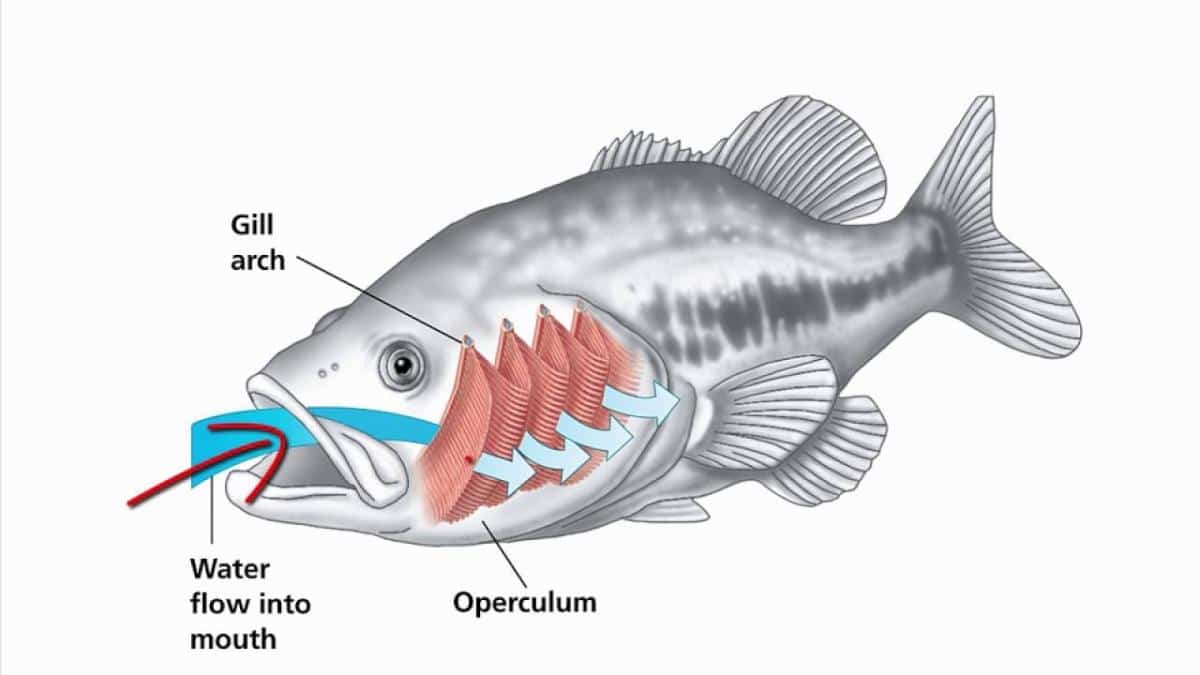
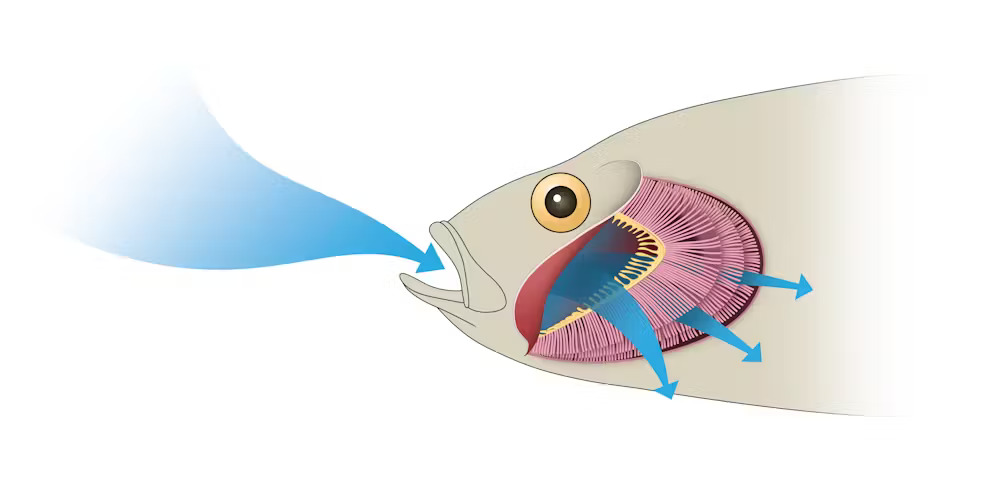
Fish don’t have lungs like humans. Instead, they use gills, specialized organs designed to extract dissolved oxygen from water. Here’s how it works:
-
Water enters through the mouth.
-
It passes over the gills, which are rich in blood vessels.
-
Oxygen diffuses into the bloodstream while carbon dioxide exits.
For this gas exchange to occur efficiently, a steady flow of oxygen-rich water must pass over the gill surfaces. This means fish must either:
-
Swim continuously with their mouths open (ram ventilation), or
-
Actively pump water over their gills using muscles (buccal pumping).
Fun fact: Some species, like tuna and certain sharks, must keep swimming at all times to breathe. If they stop, they can suffocate.
Can Fish Actually Drown?
The answer is: Not exactly.. but they can suffocate.
Fish “drowning” isn’t about water filling their lungs (because they don’t have any). Rather, it’s about being unable to extract enough oxygen from their environment. This lack of oxygen causes death in a similar way to drowning in air-breathing animals.
So while the term “drown” is a bit misleading, the outcome, oxygen deprivation, is very real.
Circumstances That Can Cause Fish to Drown
Several scenarios can prevent fish from accessing enough oxygen to survive. Let’s break them down:
1. Low Oxygen Levels in the Water (Hypoxia)
Perhaps the most common cause of suffocation in fish is hypoxia, a condition where water has too little dissolved oxygen.
Causes of hypoxia include:
-
Pollution: Excess nutrients from fertilizers or sewage lead to algal blooms. When algae die, they decay and consume massive amounts of oxygen.
-
Stagnant water: Without movement, oxygen isn’t replenished. This often happens in ponds or lakes during summer.
-
Overcrowding: Too many fish in a confined space can deplete available oxygen.
-
Nighttime oxygen crashes: Plants and algae produce oxygen during the day via photosynthesis, but consume oxygen at night, sometimes leaving dangerously low levels.
Symptoms of hypoxia in fish:
-
Gasping at the surface
-
Lethargy
-
Sudden mass die-offs
Solutions: Aerate the water, improve circulation, and avoid overfeeding or polluting the system.
2. Gill Damage or Obstruction
Even if water has plenty of oxygen, a fish still needs healthy gills to absorb it. Damage to these delicate structures can impair breathing.
Common causes:
-
Infections: Parasites or bacteria can damage gill tissue, making oxygen absorption inefficient.
-
Debris or mucus buildup: Silt, pollution, or even algae can clog gill filaments.
-
Chemical exposure: Harsh chemicals, including chlorine or pesticides, can “burn” gill tissue and reduce its function.
Interesting case: After oil spills, fish populations often plummet, not just because of toxicity, but because gill function is compromised.
Preventive tips:
-
Use proper water treatment in aquariums.
-
Avoid introducing pollutants into natural waterways.
-
Monitor gill health when fishing or farming.
3. Temperature Stress
Warm water holds less dissolved oxygen than cold water. As temperatures rise, especially in shallow areas, oxygen levels drop.
Additional stressors:
-
Fish metabolism increases in warm water, meaning they need more oxygen just when there’s less available.
-
In extreme cases, entire populations may be wiped out during heat waves.
This is particularly dangerous in:
-
Shallow freshwater ponds
-
Mangrove ecosystems
-
Enclosed tanks or aquaculture pens
Best practice: Provide shade, aeration, and avoid overstocking in warm months.
4. Being Out of Water
While it’s obvious, it’s worth mentioning: fish die when removed from water because their gills collapse and can no longer function.
However, some fish species have evolved to survive out of water for limited periods:
-
Mudskippers breathe through their skin and mouth linings.
-
Walking catfish can gulp air and crawl on land.
-
Lungfish have primitive lungs and survive dry spells in mud.
But for the majority of fish, air exposure causes rapid suffocation, another version of “drowning” from their perspective.
5. Respiratory Failure in Aquariums
In aquariums or fish tanks, improper conditions can easily cause fish to suffocate. This is a common issue among beginner aquarists.
Risk factors:
-
No filtration or aeration system
-
Overstocked tanks
-
Overfeeding (leading to waste and algae bloom)
-
Sudden power outages cutting off oxygen circulation
Fixes:
-
Use an air stone or bubbler.
-
Regularly clean the tank.
-
Avoid overcrowding.
-
Monitor oxygen levels with test kits.

How to Prevent Fish from Suffocating
Whether you’re fishing, keeping an aquarium, or managing a pond, maintaining a healthy aquatic environment is key. Here are practical steps to prevent fish from “drowning”:
✅ Keep the water clean
Avoid fertilizers, pesticides, and detergents near water sources. In tanks, perform regular water changes.
✅ Aerate and circulate
Install filters, fountains, or bubblers to increase surface agitation and oxygen exchange.
✅ Don’t overstock
Whether it’s an aquarium or pond, more fish = more waste = less oxygen. Follow proper stocking guidelines.
✅ Respect catch-and-release
Handle fish gently, wet your hands, and minimize time out of water. Poor handling can damage gills or stress fish to the point of suffocation.
✅ Monitor water parameters
Use test kits to regularly check oxygen, ammonia, and pH levels, especially during hot weather or after heavy rain.
Conclusion: Can Fish Drown
While fish don’t “drown” in the traditional sense, they can absolutely suffocate when they’re unable to extract oxygen from the water. Whether due to pollution, warm temperatures, damaged gills, or lack of aeration, these risks are real and often preventable.
Understanding how fish breathe deepens our appreciation for their role in aquatic ecosystems—and underscores the importance of maintaining clean, oxygen-rich waters. Whether you’re an angler, aquarist, or nature enthusiast, protecting aquatic environments ensures that fish can continue to thrive, breathe, and survive in their watery world.
Feel free to ask any questions you might have about anything you read in this blog.
We started Reel Guides to make it easy to book fishing trips around the United States.
Click here to browse and book your next fishing charter in Florida!
Readers can benefit from a special promotion code from Mustad Fishing.
Use promo code REELGUIDES for an additional 20% off your next order at www.mustad-fishing.com.