

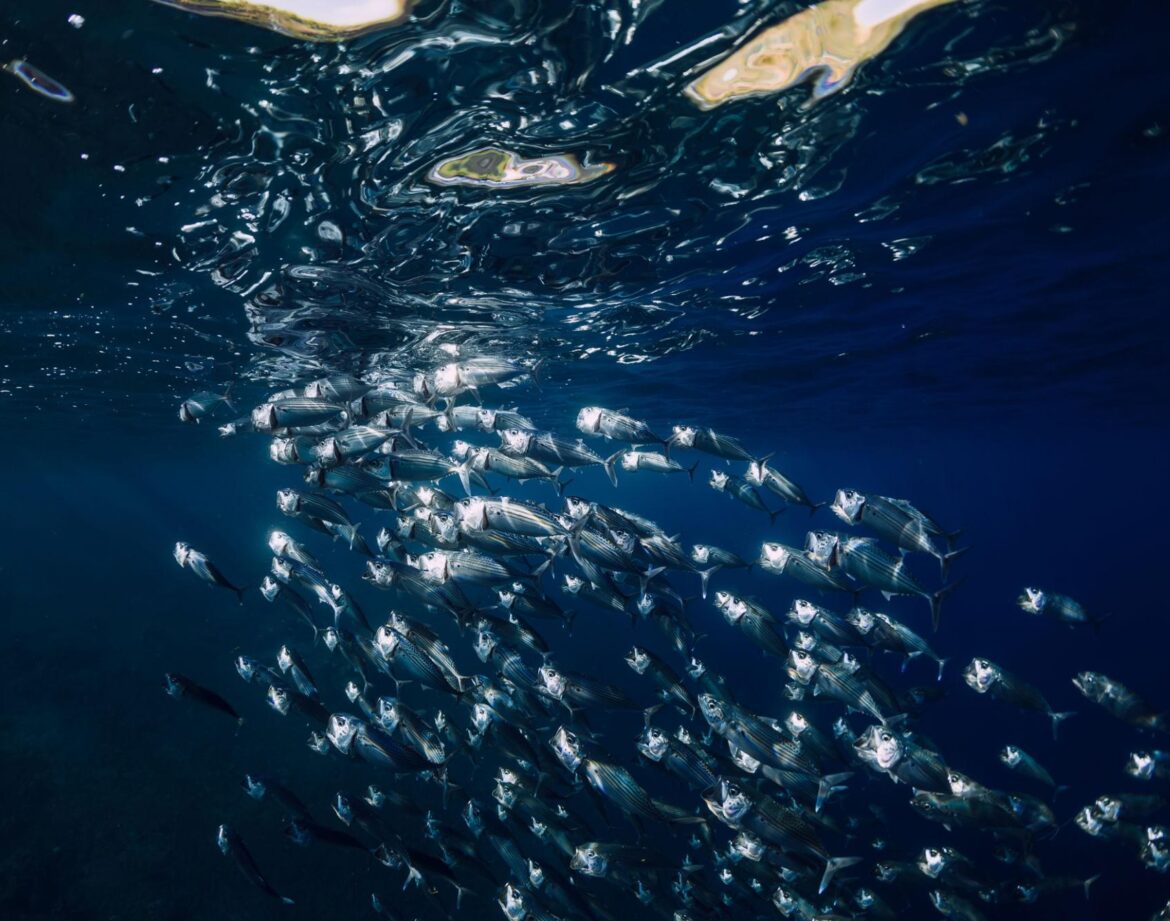
Can Fish See Water? The Truth About Fish Vision
Written By: Captain Kody Michael
If you’ve ever paused to wonder, can fish see water, you’re not alone. It’s one of those deceptively simple questions that opens the door to fascinating insights about perception, biology, and how living creatures interpret their environment. While humans experience water as something separate from ourselves, fish exist entirely within it, so their relationship with water is fundamentally different.
In this in-depth guide, we’ll explore the question “can fish see water” from multiple scientific angles, including vision, physics, and evolutionary biology. By the end, you’ll not only understand the answer but also gain a deeper appreciation for how different life forms experience reality.
What Does It Mean to “See” Water?
Before answering can fish see water, we need to clarify what “seeing” actually means. Vision depends on detecting differences, light, color, contrast, and movement. Humans see objects because they reflect or absorb light differently than their surroundings.
Water, however, is typically transparent. That means it allows light to pass through with minimal scattering. For humans, we don’t usually “see” clean water unless it contains impurities, reflects light, or distorts what’s behind it.
So when asking can fish see water, the real question becomes:
- Can fish visually distinguish water from their surroundings?
- Do they perceive water as an object or medium?
The Short Answer: Can Fish See Water?
The simplest answer to can fish see water is no, not in the way humans might imagine.
Fish do not perceive water as a separate, visible substance. Instead, water is their constant environment, much like air is for humans. Just as we don’t “see” air around us, fish don’t visually identify water as something distinct.
However, that doesn’t mean water is invisible to fish in every sense. Let’s go deeper.
How Fish Vision Works
To better understand can fish see water, we need to look at how fish eyes function.
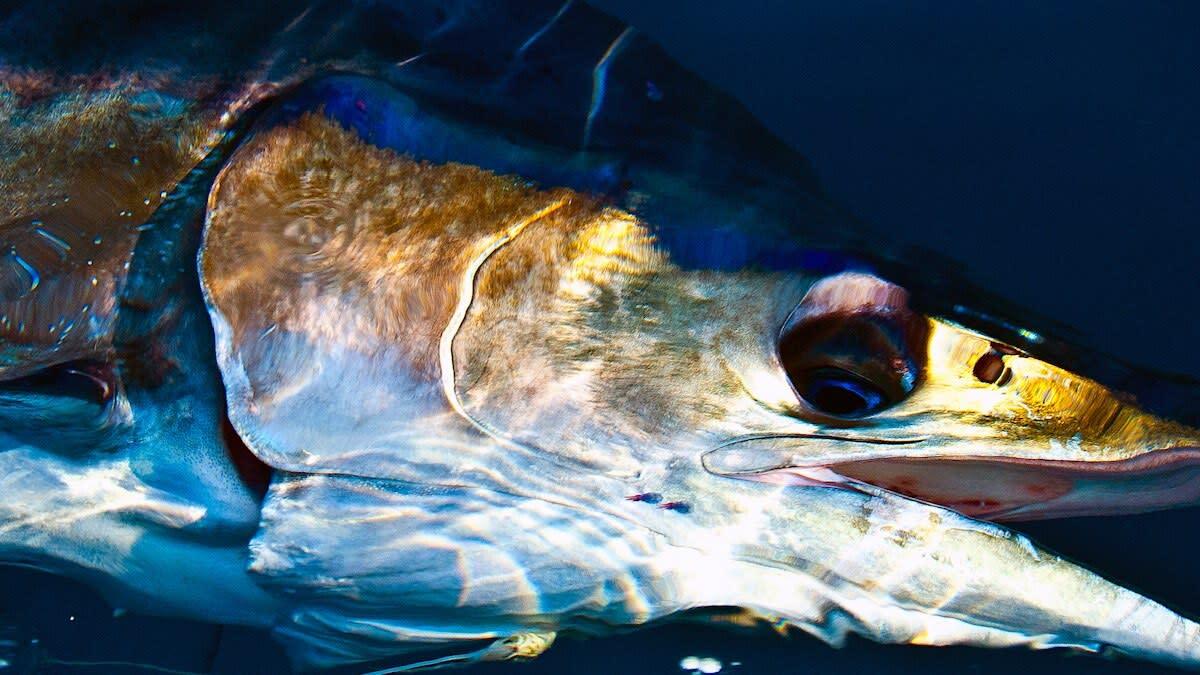
Fish eyes are specially adapted for underwater vision:
- Spherical lenses help them focus in water
- High sensitivity to motion allows them to detect predators and prey
- Color vision varies by species, with some seeing ultraviolet light
Unlike humans, fish are not trying to distinguish water from air. Their visual system evolved to interpret objects withinwater.
Refraction and Light in Water
Light behaves differently in water than in air. It slows down and bends, a process called refraction. Fish eyes are optimized for this environment, meaning they don’t experience water as a barrier but as a natural medium for vision.
So again, can fish see water? Not directly, but they absolutely perceive how light behaves within it.
Why Fish Don’t “Notice” Water
Think about your own experience: you’re surrounded by air at all times, but you rarely think about it unless something changes, like wind, temperature, or pressure.
The same principle applies to fish.
Constant Environment Effect
Because fish are constantly immersed in water:
- There’s no contrast between “water” and “non-water”
- Their brains don’t need to identify water as a separate object
- Their senses are tuned to detect changes within water, not water itself
This is why the question can fish see water is similar to asking if humans can see air.
When Water Becomes Visible to Fish
Although fish don’t typically “see” water, there are situations where water becomes noticeable.
1. Movement and Currents
Fish can detect:
- Flowing water
- Changes in pressure
- Vibrations
They use a specialized organ called the lateral line system to sense movement in water. This helps them navigate, hunt, and avoid danger.
2. Particles and Impurities
If water contains:
- Sediment
- Plankton
- Debris
Then it becomes visible because these particles reflect light. In such cases, fish are not seeing water itself but what’s suspended in it.
3. Surface Distortion
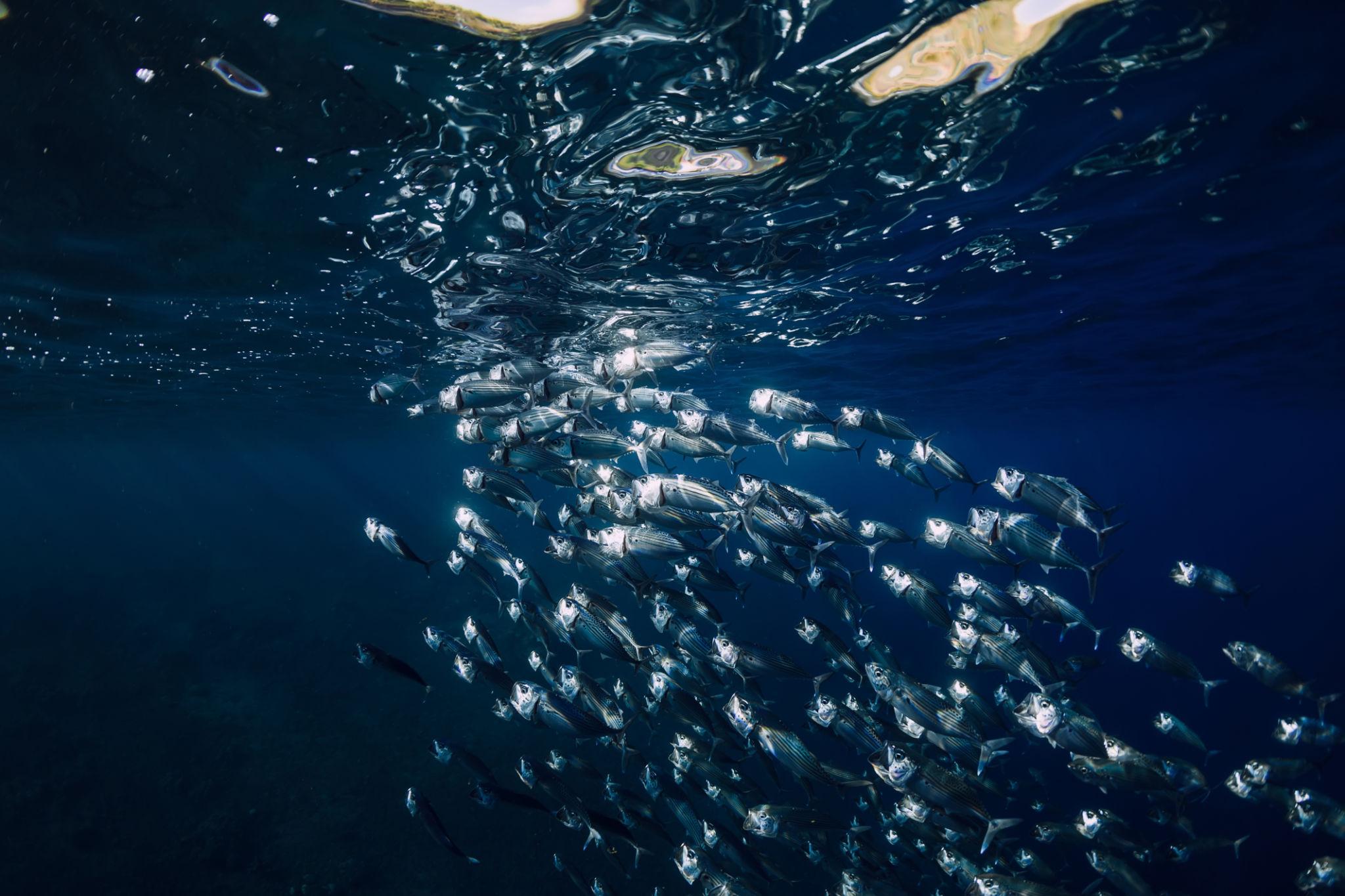
Fish looking upward can see the water’s surface as a reflective boundary. This creates a “mirror-like” effect known as Snell’s window.
So while the answer to can fish see water is generally no, they can perceive effects caused by water.
Comparing Fish and Human Perception
To fully understand can fish see water, it helps to compare fish perception with human perception.
| Feature | Humans | Fish |
|---|---|---|
| Medium | Air | Water |
| See medium? | No (air is invisible) | No (water is invisible) |
| Detect changes? | Yes (wind, humidity) | Yes (currents, pressure) |
| Vision adapted for | Air | Water |
This comparison shows that fish are not missing anything, just experiencing the world differently.
Evolutionary Perspective
The question can fish see water also has an evolutionary answer.
Fish evolved over millions of years in aquatic environments. There was never a need for them to “see” water because:
- Water is essential for survival
- It provides buoyancy and oxygen (via gills)
- It’s the medium for movement
Natural selection favors traits that improve survival. Since recognizing water visually offers no advantage, fish never developed that ability.
Philosophical Angle: Perception Shapes Reality
Interestingly, the question can fish see water has philosophical implications.
It highlights how:
- Creatures perceive only what they need to survive
- Reality is shaped by sensory limitations
- What seems obvious to one species may be invisible to another
This concept is often discussed in psychology and philosophy, including research from Plato.

Common Misconceptions
Let’s clear up a few myths related to can fish see water:
Myth 1: Fish See Water Like Humans See Glass
Not true. Fish don’t perceive water as a transparent object.
Myth 2: Fish Are Aware of Being in Water
They are adapted to it but don’t consciously recognize it as a separate entity.
Myth 3: Fish Vision Is Inferior
In many ways, fish vision is highly specialized and superior for underwater environments.
Practical Implications
Understanding can fish see water isn’t just theoretical, it has real-world applications:
Aquariums
Designing tanks with proper lighting and clarity helps fish navigate comfortably.
Fishing Techniques
Knowing how fish perceive their environment can improve bait presentation.
Marine Conservation
Understanding fish sensory systems helps protect habitats and ecosystems.
Final Answer: Can Fish See Water?
So, can fish see water?
No, fish do not see water as a distinct object or substance.
Instead, they perceive their surroundings through light, motion, and pressure within water.
Water is not something fish observe, it’s something they exist within.
Key Takeaways
- The question can fish see water is similar to asking if humans can see air
- Fish vision is adapted to detect objects, not the medium itself
- Water becomes “visible” only through movement, particles, or surface effects
- Fish rely heavily on non-visual senses like the lateral line system
- Evolution shaped fish perception to prioritize survival, not abstraction
Conclusion
The next time you wonder can fish see water, remember that perception is all about context. Fish don’t need to see water because it defines their entire existence. What matters to them are the changes, movements, and signals within it.
By understanding questions like can fish see water, we gain not just knowledge but perspective.
We started Reel Guides to make it easy to book fishing trips around the United States.
Click here to browse and book your next fishing charter in Florida!
Readers can benefit from a special promotion code from Mustad Fishing.
Use promo code REELGUIDES for an additional 20% off your next order at www.mustad-fishing.com.