

Coral Reef Fish: Types, Names, Facts & Ecosystem Guide
Written By: Captain Kody Michael
Coral reef fish are among the most vibrant and fascinating creatures in the ocean. Found in some of the most diverse ecosystems on Earth, coral reef fish play a crucial role in maintaining the health and balance of marine environments. Whether you are a marine enthusiast, a scuba diver, or simply curious about ocean life, understanding coral reef fish can open your eyes to an underwater world full of color, complexity, and ecological importance.
In this comprehensive guide, we will explore everything you need to know about coral reef fish, including their types, habitats, behaviors, ecological roles, and conservation challenges. This article is designed to help you learn deeply while also providing valuable resources and backlinks to authoritative sources for further exploration.
What Are Coral Reef Fish
Coral reef fish are species of fish that live in and around coral reefs. These ecosystems are primarily found in warm, shallow waters of tropical and subtropical oceans. Coral reefs are often called the rainforests of the sea because of their incredible biodiversity, and coral reef fish are a major part of that diversity.
These fish have adapted to live in close association with coral structures, which provide food, shelter, and breeding grounds. Their bright colors and unique patterns are not just for beauty but serve purposes such as camouflage, communication, and mating.
For more scientific background, you can explore resources from the National Oceanic and Atmospheric Administration which provides high authority information about marine ecosystems.
Top 10 Coral Reef Fish
1. Clownfish
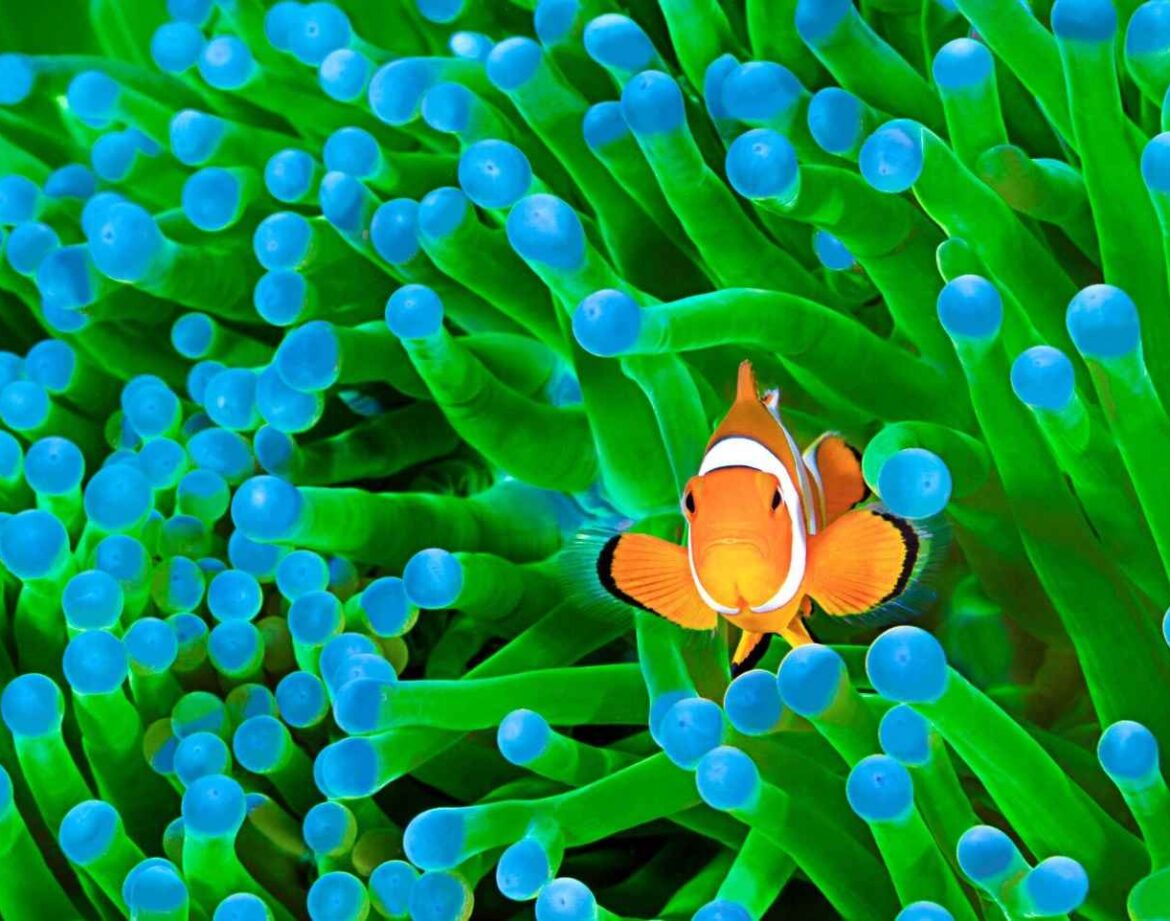
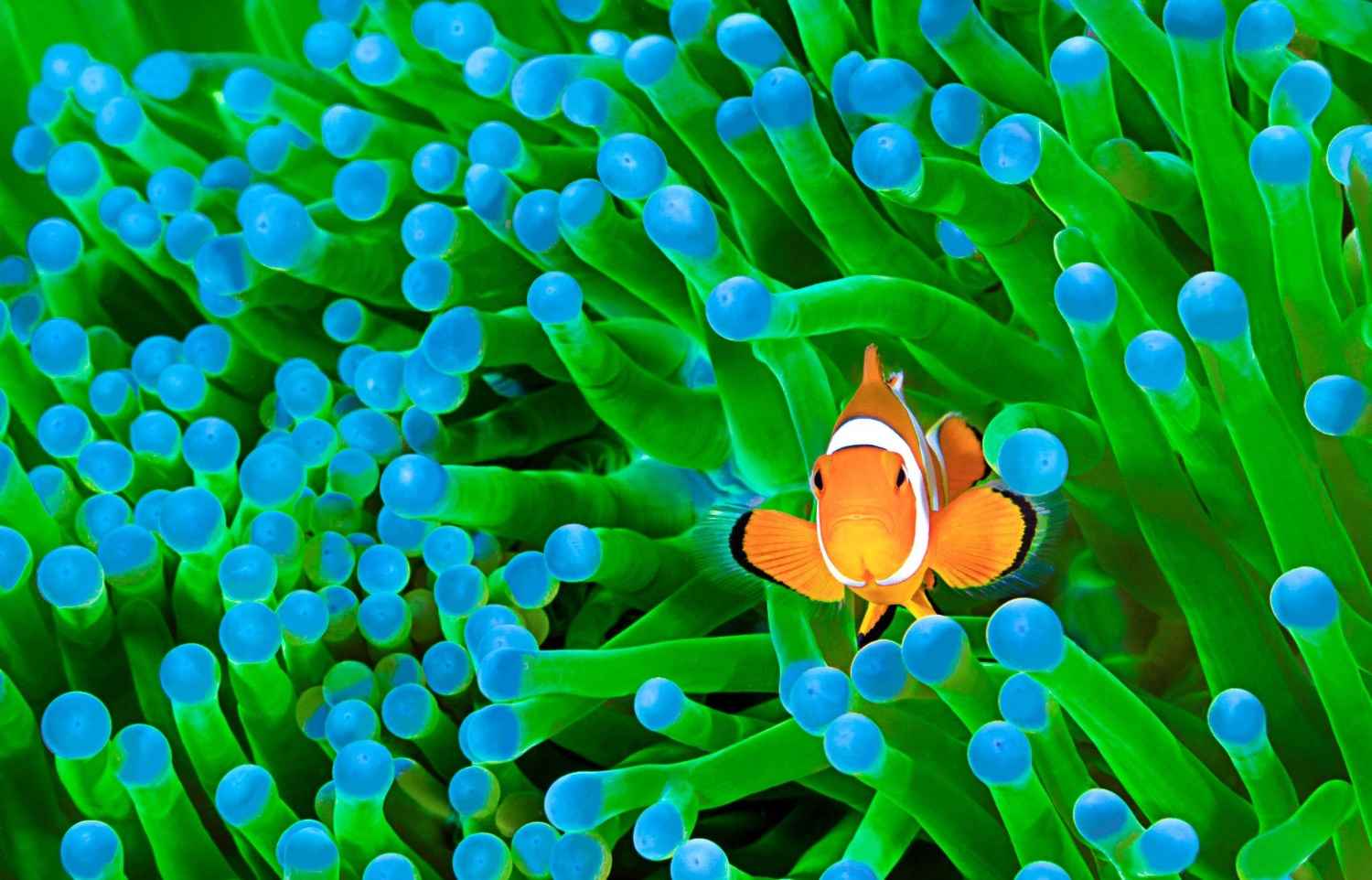
Clownfish are one of the most recognizable reef fish, known for their bright orange bodies and white stripes. They live in a symbiotic relationship with sea anemones, gaining protection from predators while helping keep the anemone clean.
2. Angelfish
Angelfish are admired for their bold colors and striking patterns. These fish are commonly found in tropical reefs and are popular in saltwater aquariums due to their vibrant appearance.
3. Butterflyfish
Butterflyfish have thin, disk-shaped bodies and are often brightly colored with eye-like markings. They are typically seen in pairs and are known for feeding on coral polyps and small invertebrates.
4. Parrotfish
Parrotfish are essential to reef health. They use their beak-like teeth to scrape algae off coral, preventing overgrowth. In the process, they also produce sand, contributing to the formation of beaches.
5. Surgeonfish (Tang)
Surgeonfish, including the well-known blue tang, are important herbivores that help control algae growth on reefs. They are named for the sharp, blade-like spine near their tail.
6. Lionfish
Lionfish are visually striking with their red and white stripes and long, flowing fins. They have venomous spines used for defense and are considered an invasive species in some regions, where they threaten native fish populations.
7. Damselfish
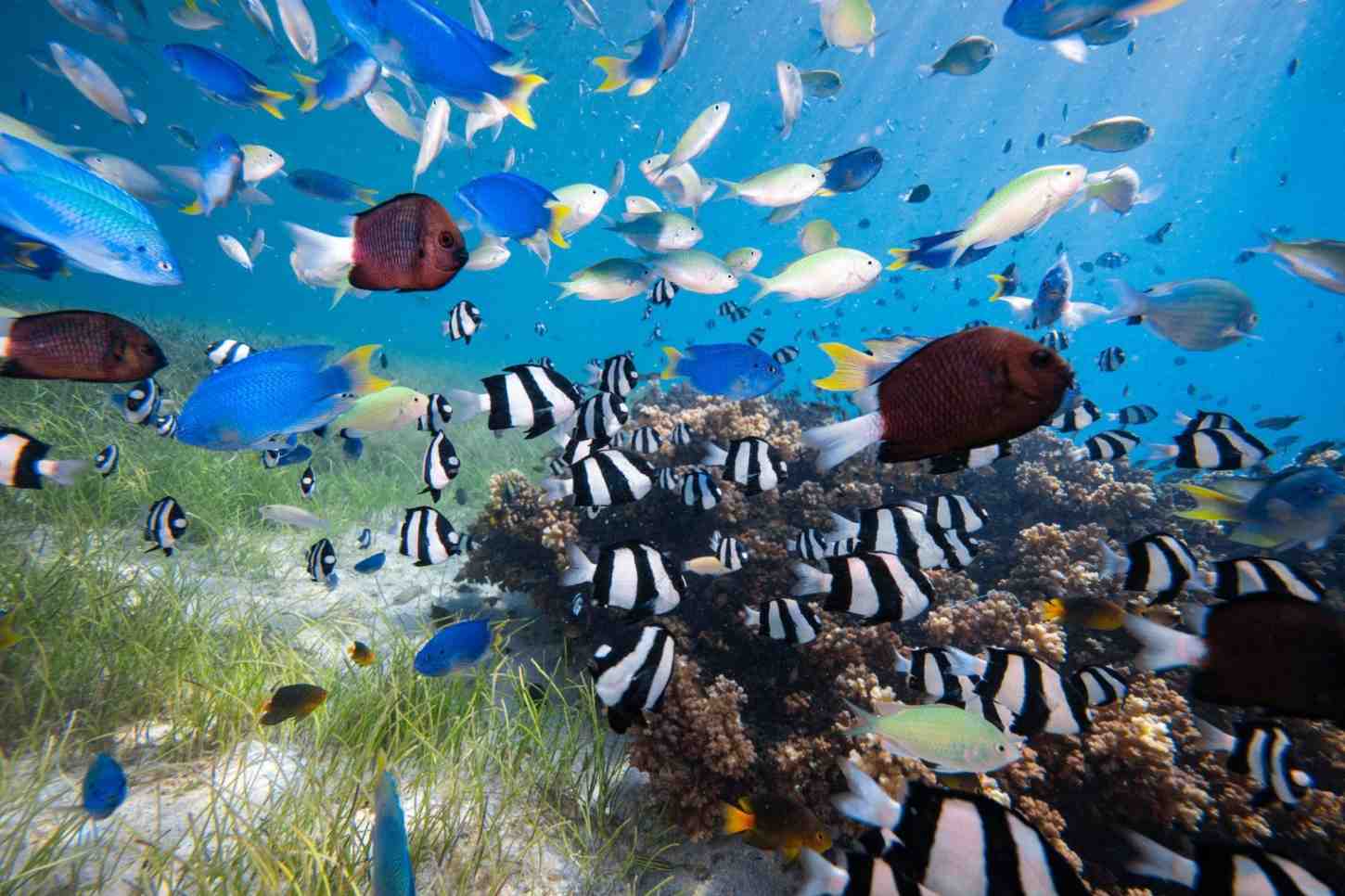
Damselfish are small but highly territorial. They are often found near coral heads and play a role in maintaining algae balance within their territories.
8. Grouper
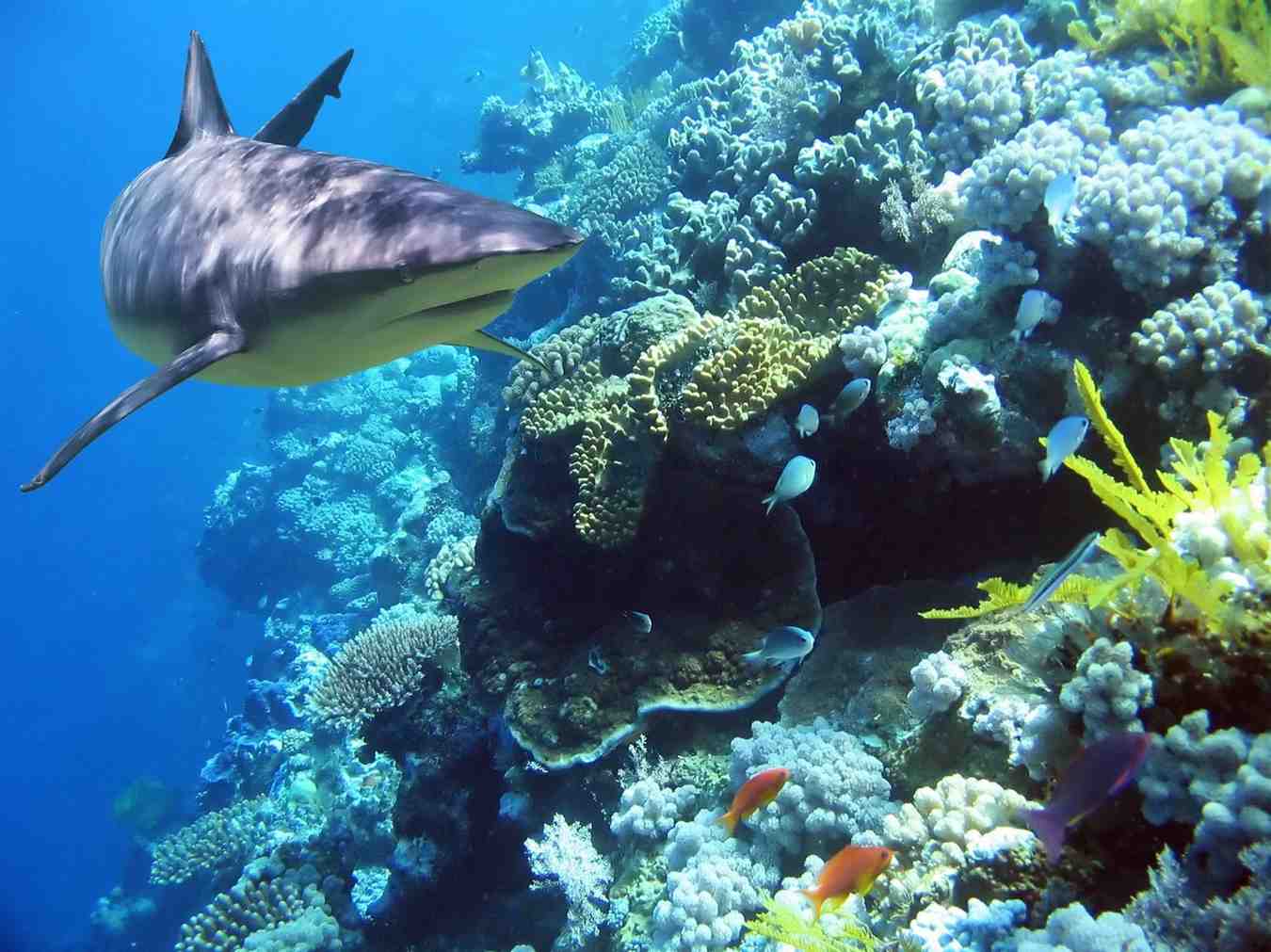
Groupers are large, powerful predators that help maintain balance in reef ecosystems. They use ambush tactics and camouflage to catch prey and are highly valued in fishing.
9. Snapper
Snappers are commonly found around coral reefs, often swimming in schools. They are important both ecologically and commercially, making them popular among anglers and seafood markets.
10. Wrasse
Wrasses are active, colorful fish known for their role as “cleaners” in the reef. Some species remove parasites from larger fish, forming important symbiotic relationships.
Types of Coral Reef Fish
Herbivorous Coral Reef Fish
Herbivorous coral reef fish feed primarily on algae. These fish are essential for keeping coral reefs healthy because they prevent algae from overgrowing and smothering corals.
Examples include Parrotfish and Surgeonfish. Parrotfish are particularly important because they also help produce sand by grinding coral into fine particles.
Learn more about herbivorous reef species from the Smithsonian Ocean portal.
Carnivorous Coral Reef Fish
Carnivorous coral reef fish feed on smaller fish, crustaceans, and other marine organisms. These predators help maintain balance in the reef ecosystem by controlling populations.
Examples include Groupers and Snappers. These fish are often larger and play a key role in the food chain.
Omnivorous Coral Reef Fish
Omnivorous coral reef fish eat both plant and animal matter. Their flexible diet allows them to adapt to changing conditions in the reef.
Examples include Clownfish and Damselfish. These species are often seen interacting closely with coral and sea anemones.
Habitat and Distribution of Coral Reef Fish
Coral reef fish are primarily found in the Indo-Pacific region, the Caribbean Sea, and the Red Sea. These regions offer ideal conditions such as warm temperatures, clear water, and abundant sunlight.
Coral reefs typically exist at depths of less than 50 meters because sunlight is necessary for the photosynthetic algae that live within coral tissues. This symbiotic relationship forms the foundation of reef ecosystems and supports coral reef fish populations.
You can explore global reef maps and habitat data at UNEP.
Unique Adaptations of Coral Reef Fish
Coral reef fish have evolved a wide range of adaptations that allow them to thrive in complex reef environments.
Camouflage and Coloration
Many coral reef fish use bright colors to blend into the vibrant reef environment. Others use patterns to break up their outline and avoid predators.
Body Shape
The bodies of coral reef fish are often laterally compressed, allowing them to navigate tight spaces within coral structures.
Symbiotic Relationships
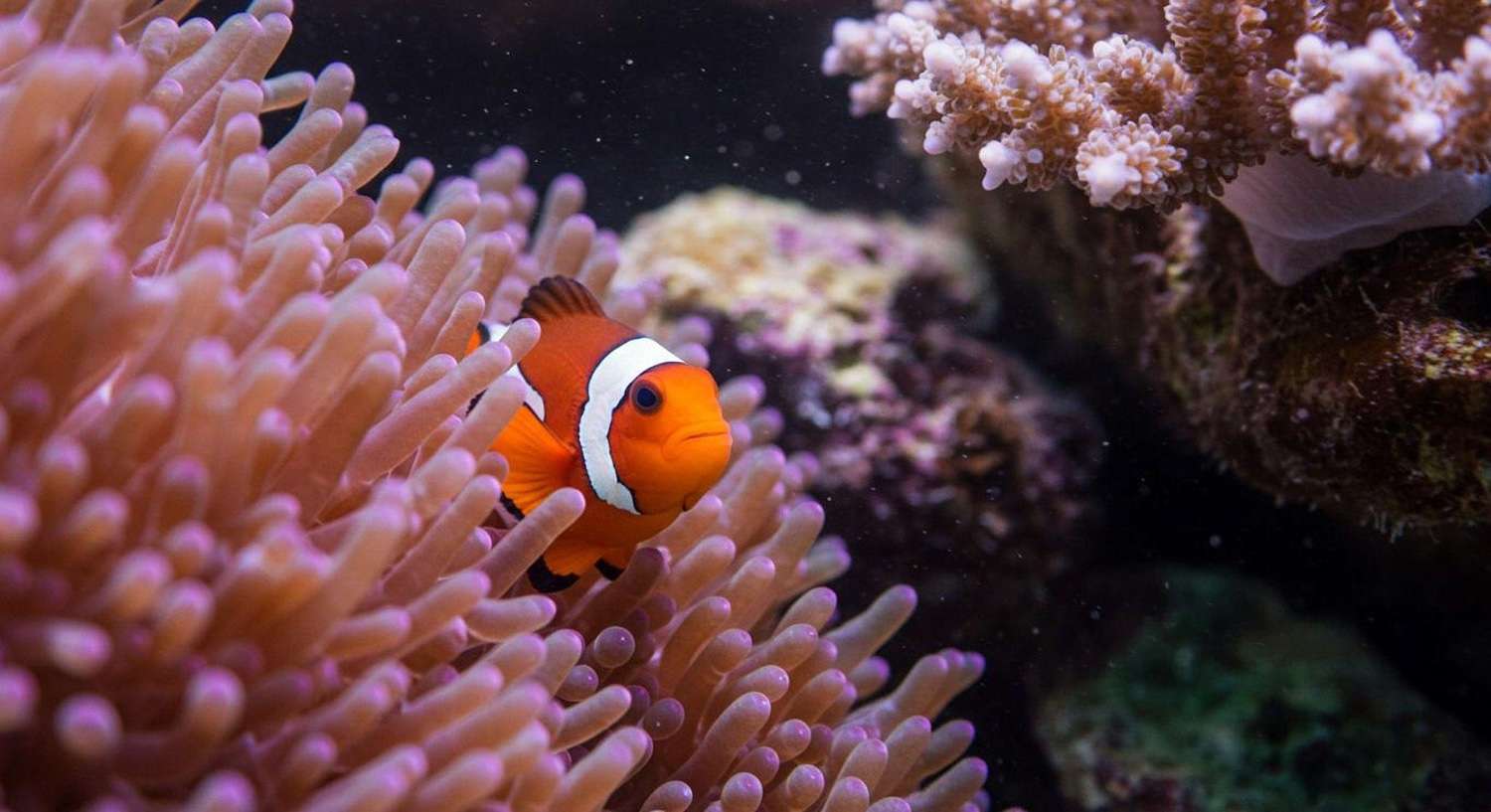
Some coral reef fish form partnerships with other marine species. For example, clownfish live among sea anemones and gain protection from predators while providing food scraps to their host.
For deeper biological insights, refer to research from National Geographic which covers marine life extensively.
Importance of Coral Reef Fish in the Ecosystem
Coral reef fish are not just beautiful but also vital to the health of marine ecosystems.
They help control algae growth, recycle nutrients, and maintain the balance of food webs. Without coral reef fish, reefs would quickly become overrun with algae, leading to coral decline.
Additionally, coral reef fish contribute to the economy through tourism and fisheries. Millions of people depend on healthy reefs for their livelihoods.
The World Wildlife Fund provides excellent information on marine conservation.
Threats Facing Coral Reef Fish
Climate Change
Rising ocean temperatures cause coral bleaching, which destroys the habitat of coral reef fish. Without healthy coral, many fish species cannot survive.
Overfishing
Unsustainable fishing practices reduce populations of coral reef fish and disrupt ecological balance.
Pollution
Plastic waste, chemicals, and sediment runoff harm coral reefs and the fish that depend on them.
Habitat Destruction
Coastal development and destructive fishing methods such as blast fishing damage coral structures.
For up to date climate data and marine impact reports, visit IPCC.
Conservation Efforts for Coral Reef Fish
Protecting coral reef fish requires global cooperation and local action.
Marine protected areas help preserve critical habitats and allow fish populations to recover. Sustainable fishing practices ensure that coral reef fish are not overexploited.
Organizations around the world are working to restore damaged reefs through coral farming and transplantation.
Education and awareness are also key. By understanding the importance of coral reef fish, people are more likely to support conservation efforts.
You can learn about ongoing conservation projects here.
How You Can Help Protect Coral Reef Fish
There are several ways individuals can contribute to the protection of coral reef fish.
Choose sustainable seafood options to reduce pressure on reef ecosystems. Reduce plastic use to prevent ocean pollution. Support organizations that focus on marine conservation.
If you visit coral reefs, practice responsible tourism by not touching coral or disturbing marine life.
Even small actions can make a big difference in preserving coral reef fish for future generations.
Best Places to See Coral Reef Fish
If you want to experience coral reef fish in their natural habitat, consider visiting some of the world’s top reef destinations.
The Great Barrier Reef in Australia is home to thousands of species of coral reef fish. The Maldives offer crystal clear waters and abundant marine life. The Caribbean islands provide accessible and diverse reef ecosystems.
Before traveling, check reef conditions and choose eco friendly operators to minimize environmental impact.
Travel guides and reef information can be found at Lonely Planet.
Conclusion
Coral reef fish are a vital part of the ocean’s ecosystem and one of nature’s most stunning displays of biodiversity. From their brilliant colors to their essential ecological roles, coral reef fish are truly remarkable.
However, they face serious threats that require immediate attention and action. By learning about coral reef fish and supporting conservation efforts, we can help protect these incredible creatures and the reefs they call home.
For continued learning, explore high authority resources such as NOAA, National Geographic, and the World Wildlife Fund. These platforms provide reliable and in depth information about coral reef fish and marine conservation.
Understanding coral reef fish is not just about appreciating their beauty but also about recognizing their importance to our planet’s health and future.
Feel free to ask any questions you might have about anything you read in this blog.
We started Reel Guides to make it easy to book fishing trips around the United States.
Click here to browse and book your next fishing charter in Florida!
Readers can benefit from a special promotion code from Mustad Fishing.
Use promo code REELGUIDES for an additional 20% off your next order at www.mustad-fishing.com.