
Choosing the Best Fly Fishing Rod (2026 Edition)
Written By: Captain Kody Michael
If you’re serious about improving your angling experience, investing in the right fly fishing rod is one of the most important decisions you’ll ever make. Whether you’re a beginner just learning the basics or an experienced angler refining your technique, the right fly fishing rod can dramatically improve your casting accuracy, distance, and overall success on the water.
In this comprehensive guide, we’ll break down everything you need to know about selecting, using, and maintaining a fly fishing rod, while helping you make a smart purchase that ranks high in both performance and value.
What Is a Fly Fishing Rod?
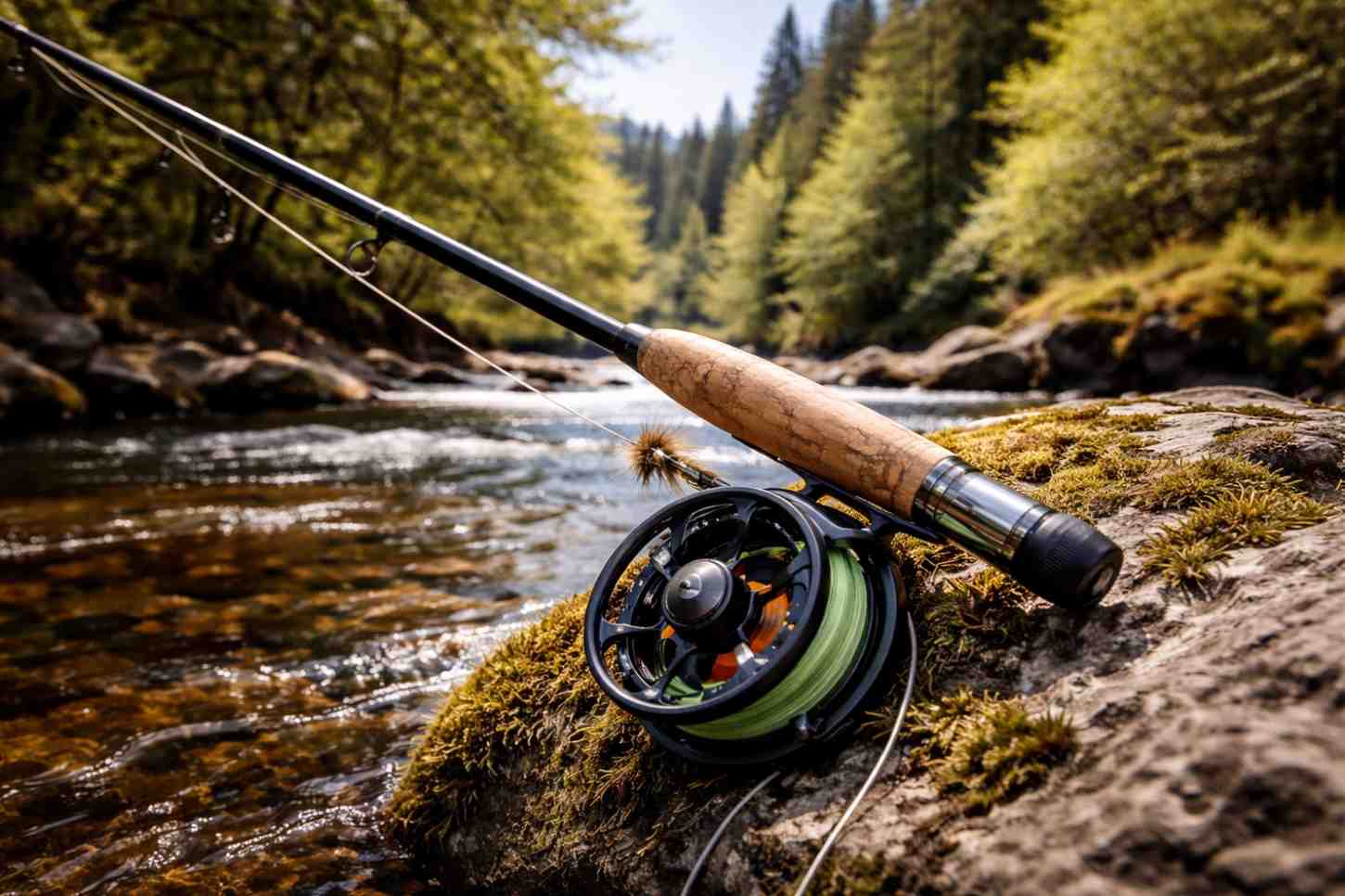
A fly fishing rod is a specialized fishing rod designed specifically for fly fishing, a method that uses lightweight artificial flies instead of traditional bait. Unlike spinning or baitcasting rods, fly fishing rods are engineered to cast the weight of the fly line rather than the lure itself.
Key characteristics include:
- Lightweight construction
- Flexible action
- Longer length (typically 7–10 feet)
- Designed for precision casting
Because fly fishing is more technique-driven, your choice of fly fishing rod plays a crucial role in your success.
Why Choosing the Right Fly Fishing Rod Matters
Not all rods are created equal. The wrong fly fishing rod can lead to poor casting, fatigue, and frustration. The right one, however, will:
- Improve casting accuracy
- Increase distance and control
- Enhance fish-fighting ability
- Make your overall experience more enjoyable
According to experts at Field and Stream, selecting the correct rod is one of the most critical steps for both beginners and advanced anglers.
Types of Fly Fishing Rods
1. Freshwater Fly Fishing Rods
Designed for rivers, lakes, and streams, these rods are typically lighter and more flexible.
Best for: Trout, bass, panfish
2. Saltwater Fly Fishing Rods
Built with corrosion-resistant materials and more power.
Best for: Bonefish, tarpon, redfish
3. Spey Rods (Two-Handed Rods)
Longer rods designed for long-distance casting using both hands.
Best for: Large rivers and salmon fishing
4. Switch Rods
A hybrid between single-handed and Spey rods.
Best for: Versatility in different fishing conditions
Key Factors to Consider When Buying a Fly Fishing Rod
1. Rod Weight
Rod weight determines the size of fish and type of water you’ll fish in.
- 1–3 weight: Small streams, small fish
- 4–6 weight: All-around use (most popular)
- 7–9 weight: Larger fish and windy conditions
- 10+ weight: Saltwater and big game fish
A 5-weight fly fishing rod is often considered the best starting point.
2. Rod Length
The length of your fly fishing rod affects casting distance and control.
- Short rods (6–8 ft): Tight spaces
- Medium rods (8–9 ft): Versatile and popular
- Long rods (9+ ft): Longer casts and better line control
3. Rod Action
Rod action refers to how much the rod bends.
- Fast action: Stiffer, more power, longer casts
- Medium action: Balanced performance
- Slow action: More flexible, better for beginners
According to Orvis, beginners benefit most from medium-action fly fishing rods because they offer better control and forgiveness.
4. Material
Modern fly fishing rods are made from:
- Graphite: Lightweight and sensitive (most common)
- Fiberglass: Durable and flexible
- Bamboo: Traditional, expensive, and slower action
Graphite rods dominate the market due to their performance and affordability.
Best Fly Fishing Rod for Beginners
If you’re just starting out, look for:
- Medium action
- 5-weight
- 8.5–9 ft length
- Affordable but durable material
Some trusted beginner-friendly recommendations can be found on high-authority platforms like:
These sites provide expert reviews and comparisons to help you choose the best fly fishing rod.
How to Use a Fly Fishing Rod Effectively
Master the Basics of Casting
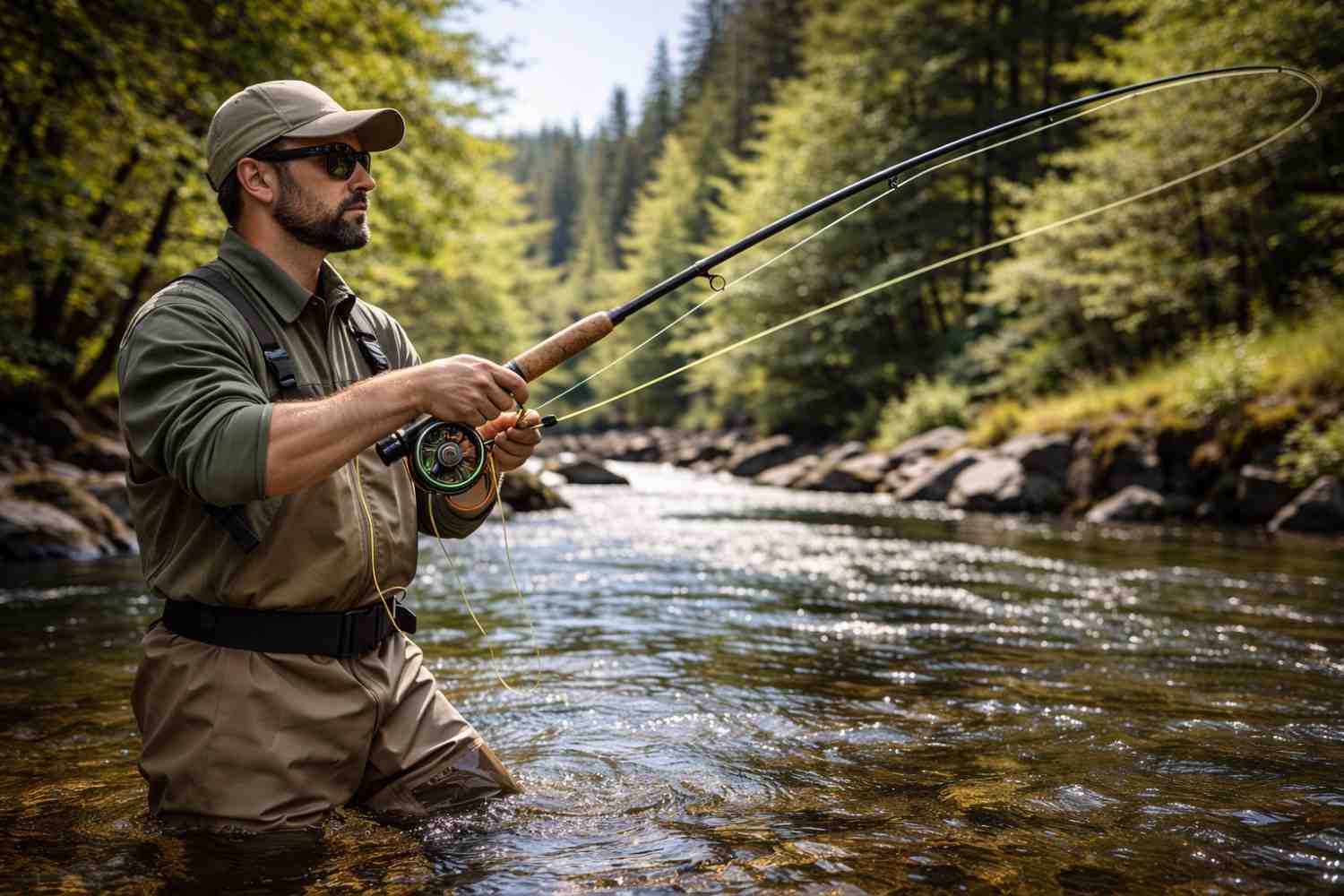
The most common technique is the overhead cast, which involves:
- Lifting the line off the water
- Casting backward
- Pausing
- Casting forward
Practice is essential—fly fishing is more about skill than strength.
Match Your Rod with the Right Line
Your fly fishing rod should always match the line weight. For example:
- A 5-weight rod pairs with a 5-weight line
Mismatched setups reduce performance and can damage your gear.
Pay Attention to Timing
Timing is everything in fly fishing. Rushing your cast or pausing too long can ruin your presentation.
Maintenance Tips for Your Fly Fishing Rod
To extend the life of your fly fishing rod:
- Rinse after every use (especially in saltwater)
- Store in a protective case
- Avoid high heat or pressure
- Check guides and ferrules regularly
Routine maintenance ensures your fly fishing rod performs at its best for years.
Common Mistakes to Avoid
1. Buying the Wrong Rod Weight
Many beginners choose rods that are too heavy or too light.
2. Ignoring Rod Action
A fast-action rod may be too difficult for beginners.
3. Poor Casting Technique
Even the best fly fishing rod won’t compensate for bad technique.
4. Skipping Practice
Fly fishing requires patience and repetition.
Advanced Tips for Experienced Anglers
If you already have experience, consider upgrading your fly fishing rod based on:
- Specific fish species
- Water conditions
- Casting style
High-performance rods often include advanced graphite technology and improved sensitivity.
For expert insights, check:
These authoritative sites offer deep dives into fly fishing rod technology and techniques.
Fly Fishing Rod vs Spinning Rod
| Feature | Fly Fishing Rod | Spinning Rod |
|---|---|---|
| Casting Method | Uses fly line | Uses lure weight |
| Technique | Skill-based | Easier to learn |
| Precision | High | Moderate |
| Experience Level | Intermediate–Advanced | Beginner-friendly |
While spinning rods are easier, a fly fishing rod offers unmatched finesse and control.
How to Choose the Best Fly Fishing Rod for Your Needs
Ask yourself:
- Where will I fish?
- What species am I targeting?
- What is my experience level?
- What is my budget?
Answering these questions will help you narrow down your options and find the perfect fly fishing rod.
Final Thoughts: Is a Fly Fishing Rod Worth It?
Absolutely. A high-quality fly fishing rod is more than just a tool, it’s an investment in your fishing experience. Whether you’re casting in a quiet mountain stream or chasing saltwater giants, the right rod makes all the difference.
With the right knowledge, practice, and gear, fly fishing can become one of the most rewarding outdoor activities you’ll ever experience.
Frequently Asked Questions (FAQ)
What is the best fly fishing rod for beginners?
A 5-weight, medium-action rod around 9 feet long is ideal.
How much should I spend on a fly fishing rod?
Beginners can start around $100–$300, while advanced rods can exceed $800.
Can I use one fly fishing rod for everything?
A versatile 5-weight rod works for many situations, but specialized fishing may require different rods.
By following this guide, you’ll not only understand how to choose the best fly fishing rod, but you’ll also be well on your way to mastering the art of fly fishing.
Happy fishing!
Feel free to ask any questions you might have about anything you read in this blog.
We started Reel Guides to make it easy to book fishing trips around the United States.
Click here to browse and book your next fishing charter in Florida!
Readers can benefit from a special promotion code from Mustad Fishing.
Use promo code REELGUIDES for an additional 20% off your next order at www.mustad-fishing.com.