


How Do Fish Mate? Reproduction Underwater Explained
Written By: Captain Kody Michael
The underwater world is full of life, and perhaps one of the biggest mysteries of aquatic biology is this: how do fish mate?
While it may seem like a simple process, fish reproduction is an intricate dance of timing, behavior, biology, and environmental conditions. From synchronized spawning to solitary cloning, fish exhibit a diverse array of reproductive strategies that ensure the continuation of their species.
In this blog, we’ll explore the captivating answers to the question “How do fish mate?” We’ll break down external and internal fertilization, dive into rare cases like parthenogenesis, and look at the impressive courtship behaviors that make fish mating rituals as varied as the ecosystems they inhabit.

External Fertilization: The Most Common Answer to “How Do Fish Mate?”
The most widespread method of fish reproduction is external fertilization, where the female releases eggs into the water and the male simultaneously releases sperm to fertilize them. This method doesn’t involve physical contact between the fish during fertilization, and yet, it’s incredibly effective, especially when fish release thousands or even millions of eggs at a time.
Species such as salmon are well-known for their epic migrations back to freshwater streams where they were born. Here, males and females engage in synchronized spawning events. As females deposit eggs into a gravel nest called a redd, males hover nearby, releasing milt (sperm) into the water to fertilize the eggs.
Similarly, codfish take external fertilization to the extreme by releasing their reproductive cells into open ocean waters in massive aggregations. Because fertilization occurs outside of the body, it comes with high risk. Predators, environmental factors, and low sperm-to-egg contact rates mean that only a small fraction of eggs will ever develop into mature fish. That’s why quantity is key.
So when asking how do fish mate in the wild, for most species, the answer is: in large numbers, at the right place, and at the right time.
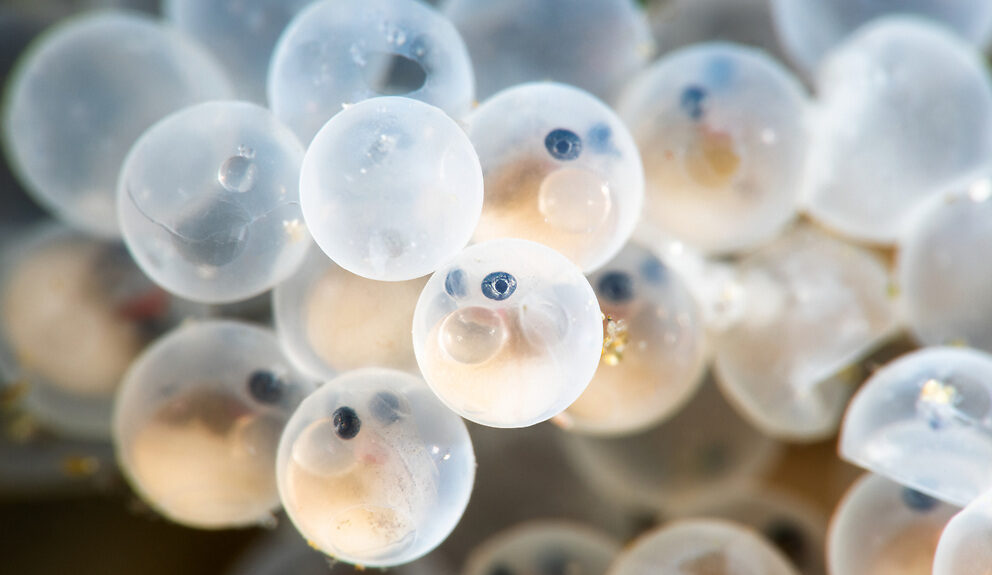
Internal Fertilization: A More Intimate Approach
While less common, many fish species reproduce through internal fertilization, where sperm is directly deposited into the female’s body. But how do fish mate using this strategy?
Species such as guppies, mollies, and other livebearers (mostly found in freshwater) have males equipped with a specialized organ called a gonopodium. This organ delivers sperm into the female, where fertilization takes place internally. The result? Fully developed, live young are born instead of eggs.

In the ocean, sharks and rays use a similar but more advanced method. Males have paired organs called claspers, extensions of their pelvic fins, that are inserted into the female’s cloaca to transfer sperm. Courtship among sharks can be aggressive, often involving biting and holding during mating.
This method typically results in fewer offspring, but because the embryos are protected inside the female or within tough egg cases (often called “mermaid’s purses”), the survival rate is much higher.
If you’re still wondering how do fish mate without laying eggs, internal fertilization is your answer—especially for species that give birth to live young.

Parthenogenesis: Reproduction Without Males
One of the most jaw-dropping answers to how do fish mate is… they don’t! At least not in the traditional sense. In rare instances, some fish can reproduce asexually, a process known as parthenogenesis.
The best-known example is the Amazon Molly, a species where all individuals are female. These fish can reproduce by developing eggs that don’t require fertilization by a male. While the presence of a male from a closely related species may trigger egg development, his genetic material is not actually incorporated into the offspring.
While parthenogenesis is efficient for rapid population growth, it comes with a major downside: lack of genetic diversity, which makes populations more vulnerable to disease and environmental changes.
In asking how do fish mate in unusual circumstances, parthenogenesis is a fascinating biological loophole that defies conventional reproduction.
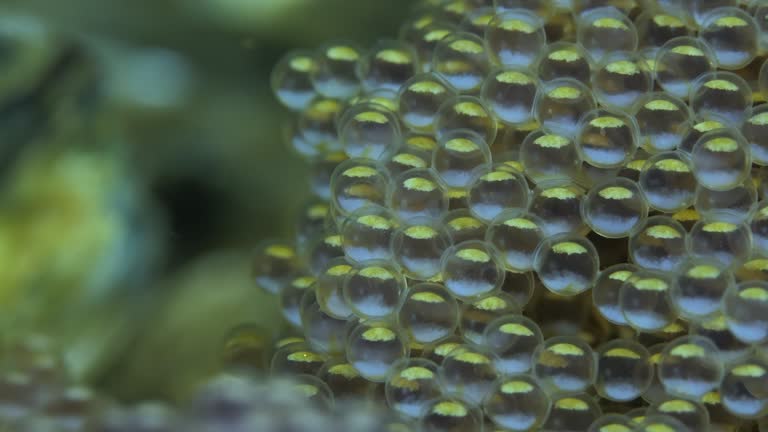
How Do Fish Mate? Through Complex Courtship Behaviors
Before fish even get to the point of spawning or mating, they often engage in elaborate courtship rituals to attract and evaluate potential partners. But how do fish mate when visual, behavioral, and even sonic cues are needed for mate selection?
Some species, like betta fish and cichlids, put on vibrant color displays or perform rhythmic dances in the water. Others, such as sticklebacks, go the extra mile by building nests and defending them fiercely.
Common courtship behaviors include:
-
Color flashing to signal reproductive readiness
-
Territorial displays or combat between males
-
Fin movements or body undulations during “mating dances”
-
Cleaning or preparing surfaces for egg-laying
These rituals serve a dual purpose: increasing the chances of successful fertilization and allowing females to choose the most fit mate, thus ensuring stronger offspring.
So if you’re wondering how do fish mate in social or competitive settings, these behaviors are crucial parts of the process.
Environmental Challenges to Reproduction
As incredible as fish reproductive strategies are, they are increasingly threatened by environmental stressors:
-
Pollution from plastics, heavy metals, and pharmaceuticals can disrupt hormones and reduce fertility.
-
Climate change impacts water temperature and currents, throwing off spawning cues for many migratory fish.
-
Ocean acidification affects coral reefs and shell formation in larvae.
-
Habitat destruction, especially in freshwater streams and coastal nurseries, leaves fish without safe places to breed.
All these factors make it harder for fish to find mates, spawn successfully, or raise their young. As we continue to ask how do fish mate in a changing world, conservation becomes a critical part of the conversation.

Conclusion: How Do Fish Mate? It Depends—But It’s Always Remarkable
From spawning in vast schools to birthing live young and even reproducing without a mate, fish mating is as complex as it is fascinating. So how do fish mate? The answer varies across species, but each method is perfectly adapted to a fish’s environment, biology, and lifestyle.
Whether it’s external fertilization in salmon, internal fertilization in sharks, or parthenogenesis in Amazon mollies, the underwater world is full of surprises. And as human impact on aquatic ecosystems grows, understanding these processes is vital for protecting marine biodiversity.
Feel free to ask any questions you might have about anything you read in this blog.
We started Reel Guides to make it easy to book fishing trips around the United States.
Click here to browse and book your next fishing charter in Florida!
Readers can benefit from a special promotion code from Mustad Fishing.
Use promo code REELGUIDES for an additional 20% off your next order at www.mustad-fishing.com.