

How Long Can Fish Go Without Eating?
Written By: Captain Kody Michael
Fish are remarkably resilient animals. Their ability to survive without food varies dramatically depending on their species, size, age, metabolism, and environment. Some fish can survive for weeks, or even months, without a meal (especially in the wild). Others require more regular feeding.
In this blog post, we’ll dive into the science of fish fasting, explore which species last the longest without food, and explain what this means for fishkeeping, ecology, and survival in nature.
Factors That Influence How Long Fish Can Go Without Eating
? 1. Species and Metabolism
Different species have different metabolic rates.
-
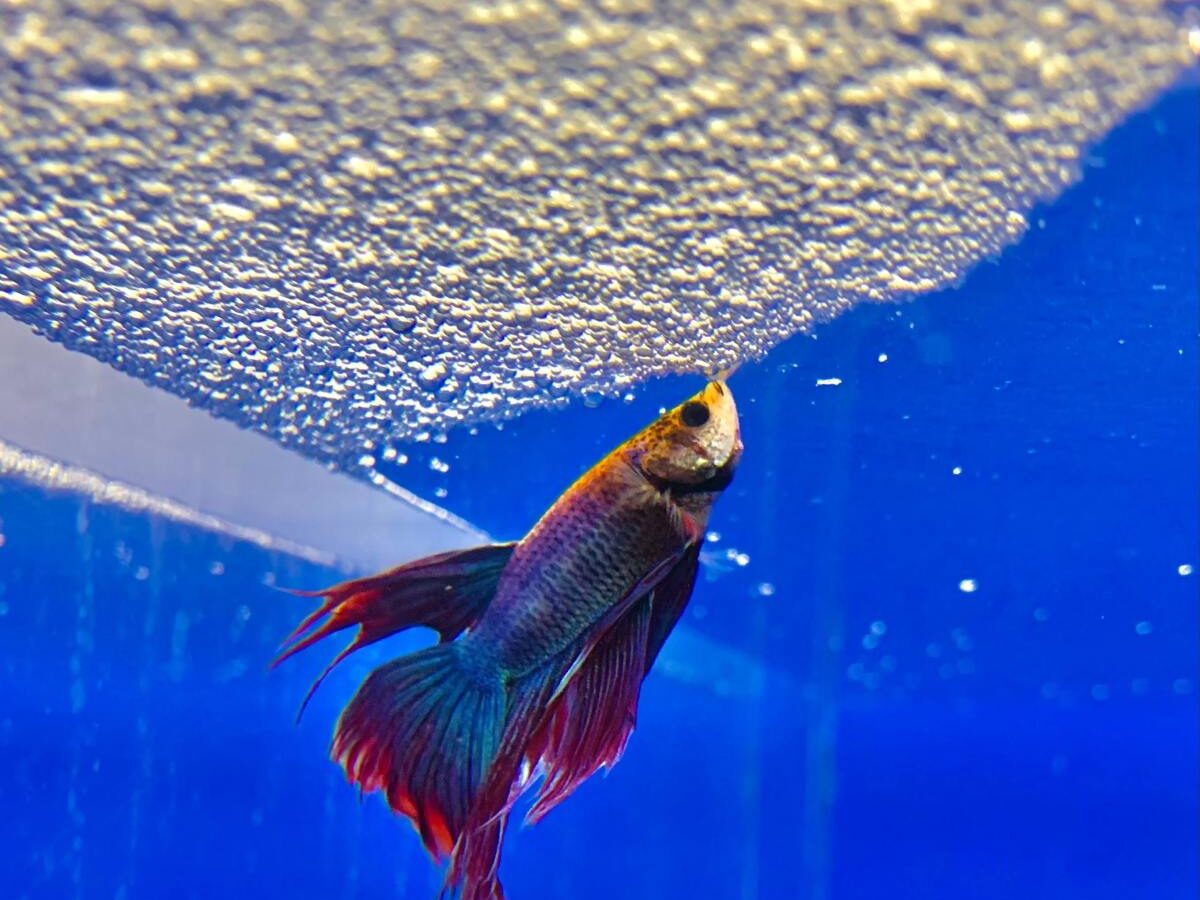
Carnivorous fish like bettas, groupers, or lionfish can typically go longer without eating, as they are accustomed to feast-and-famine cycles in the wild.
-
Herbivorous fish, like tangs or goldfish, have higher metabolic needs and typically require more frequent feeding.
? 2. Age and Size
-
Juvenile fish need food more frequently because they’re growing and developing.
-
Adult fish can endure longer fasting periods because their energy demands are lower.
?️ 3. Water Temperature
Colder water slows a fish’s metabolism, allowing them to survive longer without food. This is especially true for cold-water species like koi or trout.
? 4. Wild vs. Captive
Fish in the wild often experience irregular feeding patterns, especially during migrations or seasonal changes. In contrast, captive fish rely entirely on their keepers, and lack of food can cause stress or health issues much more quickly.
How Long Can Aquarium Fish Go Without Food?
If you’re a planning a trip or concerned about feeding gaps, here’s how long common aquarium fish can typically survive without food:
| Fish Type | Fasting Duration |
|---|---|
| Betta Fish | 7–14 days |
| Goldfish | 10–14 days |
| Guppies | 7–10 days |
| Cichlids | Up to 2 weeks |
| Tetras | 5–7 days |
| Plecos | 10–14 days |
| Angelfish | Up to 1 week |
| Discus | 2–3 days (very sensitive) |
Important: These are survival times, not optimal care guidelines. Regular feeding schedules are vital for long-term health.
Fish With the Longest Fasting Capabilities
Some wild fish species have evolved to survive extreme conditions with little to no food for extended periods.
? Deep-Sea Fish
In the deep ocean, food is scarce. Many species rely on occasional meals from:
-
Sinking detritus (marine snow)
-
Scavenged carcasses
-
Opportunistic prey
These fish have slow metabolisms, reduced activity levels, and efficient energy storage systems. Some can go months without feeding, though exact durations are hard to study due to the challenges of deep-sea observation.
? Eels and Moray Eels
Eels, especially moray eels, are known to fast for weeks at a time in the wild. They’re ambush predators that lie in wait, often skipping meals until suitable prey passes by.
? Pike and Muskellunge
These freshwater predators, found in colder climates, can survive entire winters under ice with little or no food, thanks to slowed metabolisms and low activity.
? Certain Catfish
Some bottom-dwelling species, especially in nutrient-poor environments, have adapted to go weeks, sometimes months, without a meal.
How Fish Survive Fasting
Fish rely on several biological mechanisms during fasting:
? 1. Stored Fat and Glycogen
Fish store energy in their liver and muscle tissue. When food becomes scarce, they metabolize fat and glycogen reserves to maintain function.
? 2. Reduced Activity
Many fish lower their energy use by:
-
Becoming less active
-
Resting on the substrate or hiding
-
Slowing down swimming movements
This conserves energy and extends survival during food shortages.
?️ 3. Temperature Regulation
In colder water, fish’s bodily processes slow naturally, which helps them survive longer without expending as much energy.
Implications for Fishkeepers
If you’re leaving town or can’t feed your fish for a short while, don’t panic—most healthy adult fish can survive several days to a couple of weeks. However:
✅ Best Practices for Aquarium Fish:
-
Feed well before you leave to ensure energy reserves.
-
Avoid overfeeding before departure, which can foul the water.
-
Use an automatic feeder if gone longer than a week.
-
Do a water change before leaving to maintain tank quality.
-
Ask a friend to feed your fish using pre-portioned containers.
Fish can survive without food, but they can’t survive without clean water or proper oxygenation.
Why Fish Fasting Happens in Nature
Fasting isn’t just a survival skill, it’s part of nature’s rhythm.
-
Seasonal changes: In colder months or dry seasons, food becomes scarce.
-
Migration: Salmon, for example, stop eating entirely during their spawning journey.
-
Habitat shifts: Fish may move to new areas in search of food, fasting along the way.
Understanding this helps biologists appreciate the adaptability of fish, and it informs conservation efforts when studying fish responses to climate change or habitat loss.
Health Risks of Prolonged Starvation
While fish can survive without food for a time, long-term starvation is dangerous:
-
Weight loss and muscle atrophy
-
Suppressed immune function
-
Increased stress and aggression
-
Failure to spawn or reproduce
This is especially true for:
-
Juvenile or growing fish
-
Breeding females
-
Ornamental species with higher metabolic demands
Always prioritize consistent feeding and proper nutrition for any captive fish population.
Conclusion: So.. How Long Can Fish Go Without Eating?
So, how long can fish go without eating? The answer depends on a mix of species, age, environment, and metabolism. Some aquarium fish can comfortably fast for a week or more, while certain deep-sea or cold-water species can survive for months with minimal food.
Understanding fish fasting behavior isn’t just useful for pet owners—it also reveals the incredible adaptability and resilience of fish in the wild. These evolutionary traits allow fish to thrive in environments where food availability is uncertain, and they play a key role in shaping aquatic ecosystems.
Whether you’re caring for fish at home or studying them in nature, remembering their limits—and their strengths—helps us become better stewards of the underwater world.
Feel free to ask any questions you might have about anything you read in this blog.
We started Reel Guides to make it easy to book fishing trips around the United States.
Click here to browse and book your next fishing charter in Florida!
Readers can benefit from a special promotion code from Mustad Fishing.
Use promo code REELGUIDES for an additional 20% off your next order at www.mustad-fishing.com.