


How Long Do Whales Live? A Guide to Whale Lifespans
Written By: Captain Kody Michael
Whales are among the most extraordinary animals on Earth. They are the largest mammals to have ever lived, they communicate across vast stretches of ocean, and many species spend decades, even centuries, roaming the seas. One of the most common questions people ask is, how long do whales live?
The answer isn’t as simple as one number. Different whale species have dramatically different lifespans. Some whales live around 30 years, while others can survive for more than 200 years, making them the longest living mammals on the planet.
Scientists continue discovering new information about whale longevity, aging, and survival. Modern research has revealed that some whales age incredibly slowly, helping researchers better understand marine biology and even human aging.
If you’ve ever wondered how long whales live, why some species outlive others, and what threatens their survival, this guide covers everything you need to know.
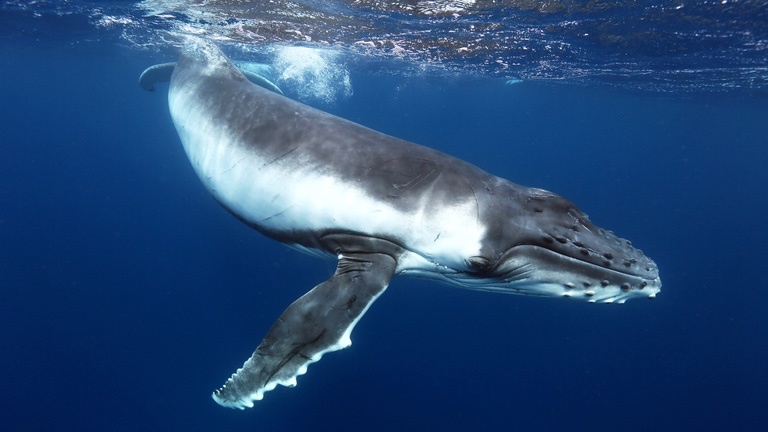
How Long Do Whales Live?
The answer depends entirely on the species.
Some smaller whales have relatively short lives, while larger species often live much longer. Here’s a general comparison of average whale lifespans.
| Whale Species | Average Lifespan |
|---|---|
| Bowhead Whale | 150 to over 200 years |
| Blue Whale | 80 to 90 years |
| Humpback Whale | 45 to 90 years |
| Gray Whale | 50 to 70 years |
| Fin Whale | 80 to 90 years |
| Sperm Whale | 60 to 70 years |
| Orca (Killer Whale) | Females up to 90 years, males around 50 to 60 years |
| Minke Whale | 30 to 50 years |
Researchers estimate these ages using several methods, including examining earwax plugs, studying growth layers in teeth, DNA analysis, and long term identification through photo databases.
According to the National Oceanic and Atmospheric Administration (NOAA), many whale populations are monitored for decades, allowing scientists to estimate lifespan and survival rates with remarkable accuracy.
The Bowhead Whale Holds the Record
When people ask, how long do whales live, the bowhead whale almost always steals the spotlight.
The bowhead whale is considered the longest living mammal ever discovered. Scientists estimate some individuals exceed 200 years of age, with several whales believed to have been born before electricity became common.
One fascinating discovery helped confirm this. Hunters found ancient ivory harpoon fragments embedded in the blubber of living bowhead whales. These weapons dated back to the late 1800s, proving the whales had survived well over a century.
Researchers later confirmed these extraordinary ages through genetic studies and tissue analysis.
The National Marine Fisheries Service provides ongoing research about bowhead whale populations and conservation.
How Do Scientists Know How Old Whales Are?
Since whales don’t carry birth certificates, determining their age requires a little detective work.
Researchers use several techniques depending on the species.
Earwax Layers
Many baleen whales produce earwax throughout their lives. Similar to tree rings, each layer represents a period of growth. Counting these layers provides a surprisingly accurate estimate of age.
Tooth Growth Rings
Toothed whales, including sperm whales and orcas, develop growth layers inside their teeth. Scientists examine these rings much like counting rings inside a tree trunk.
DNA and Genetics
New technology allows researchers to estimate biological age by examining changes within DNA. This approach is becoming increasingly important for species where traditional aging methods are difficult.
Long Term Identification
Many whale populations have been photographed for decades. Individual humpback whales, for example, can be identified by unique markings on the underside of their tails.
Organizations like Happywhale maintain one of the world’s largest whale identification databases, helping scientists follow individual whales throughout their lives.
Why Do Some Whales Live So Long?
One of the biggest mysteries in marine biology is why whales age so slowly.
Scientists believe several factors contribute.
Slow Metabolism
Larger animals generally burn energy more slowly than smaller animals. A slower metabolism may reduce long term cellular damage.
Few Natural Predators
Adult whales have relatively few predators. Aside from orcas targeting some species and occasional shark attacks on young calves, most mature whales face little danger from other animals.
Efficient DNA Repair
Researchers have discovered that whales possess unique genetic adaptations that may help repair damaged cells and reduce cancer risk.
This has become an exciting area of research because understanding whale biology could eventually contribute to studies of human aging.
The journal Nature frequently publishes research exploring whale genetics and longevity.
Which Whale Species Lives the Shortest?
Not every whale enjoys a century long life.
Minke whales generally live between 30 and 50 years, making them one of the shorter lived whale species.
Even so, that’s still impressive when compared with many other marine mammals.
Some beaked whales also appear to have shorter average lifespans, although many species remain poorly understood because they spend most of their lives in deep offshore waters.
Do Male and Female Whales Live the Same Length of Time?
Not always.
Orcas provide one of the clearest examples.
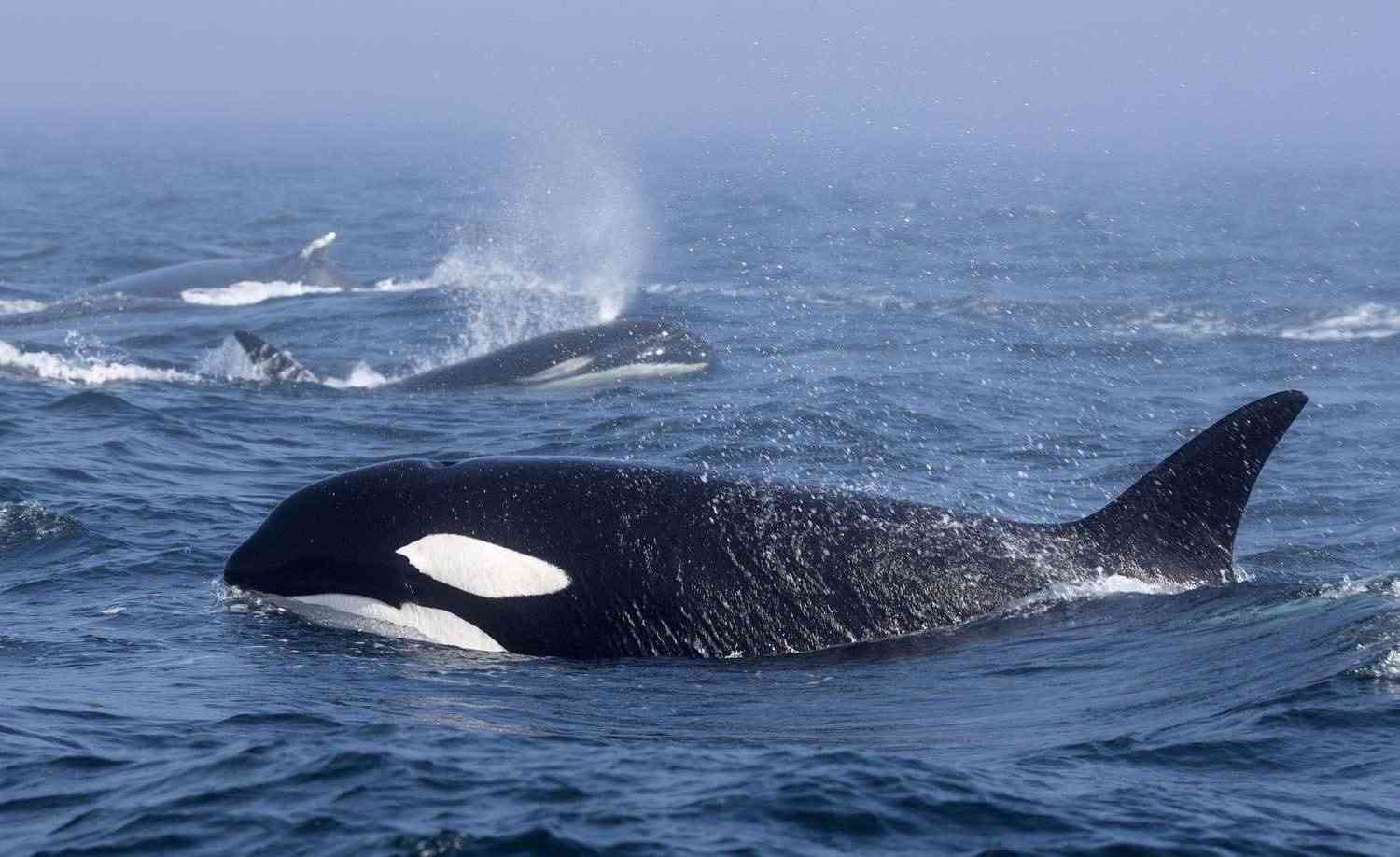
Female orcas often live 80 to 90 years, with some reaching over 100 years. Males typically live between 50 and 60 years.
Scientists believe older females play an essential role within family groups. Grandmother orcas help guide younger generations toward food sources, especially during difficult years.
This phenomenon has become an important area of behavioral research because very few mammals experience menopause and continue living for decades afterward.
What Threatens Whale Lifespans?
Although many whales have evolved to live exceptionally long lives, human activity has dramatically affected their survival.
Ship Strikes
Large cargo ships can accidentally collide with whales, particularly in busy shipping lanes.
Fishing Gear
Entanglement in ropes, nets, and fishing equipment remains one of the leading causes of whale injuries and deaths.
Ocean Noise
Commercial shipping, military sonar, and underwater construction increase noise pollution, making communication and navigation more difficult.
Climate Change
Changing ocean temperatures affect the availability of krill, fish, and other prey that whales depend on.
Plastic Pollution
Marine debris can cause injury or be mistaken for food, particularly among younger whales.
The World Wildlife Fund provides extensive information about whale conservation and current threats.
Do Captive Whales Live Longer?
People often assume animals live longer in captivity because they receive regular food and veterinary care.
Whales tell a different story.
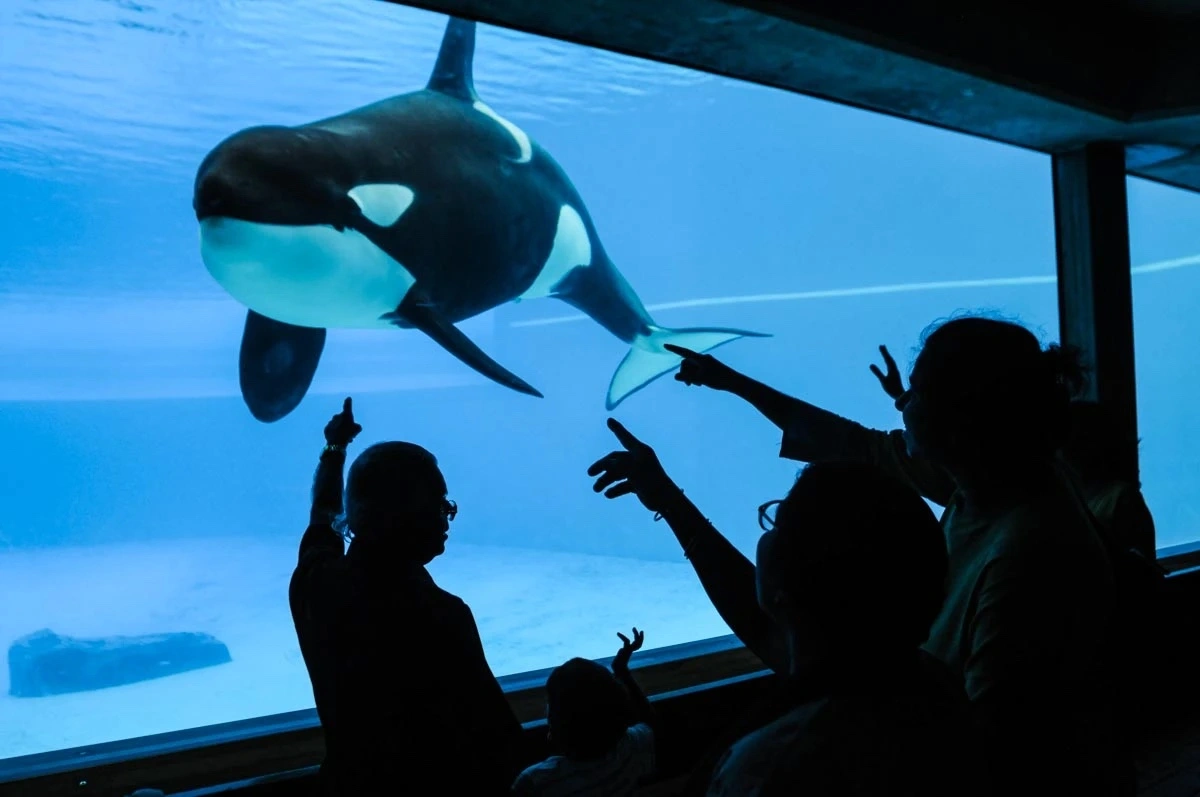
Historically, captive orcas have had significantly lower life expectancies than wild populations, although improvements in care have increased survival over recent decades.
Wild whales benefit from natural behaviors, large social groups, and unrestricted movement across thousands of miles of ocean.
Many marine scientists continue studying how environment, stress, and social structure influence longevity.
Can Whales Die of Old Age?
Yes.
Like all mammals, whales eventually experience aging.
Older whales may swim more slowly, produce fewer calves, and become more vulnerable to illness or environmental stress.
However, determining whether a whale died strictly from old age can be difficult. Many older whales also experience complications from disease, entanglement, starvation, or injury.
Which Whale Has the Longest Migration?
While lifespan often grabs attention, many long lived whales also complete incredible migrations.
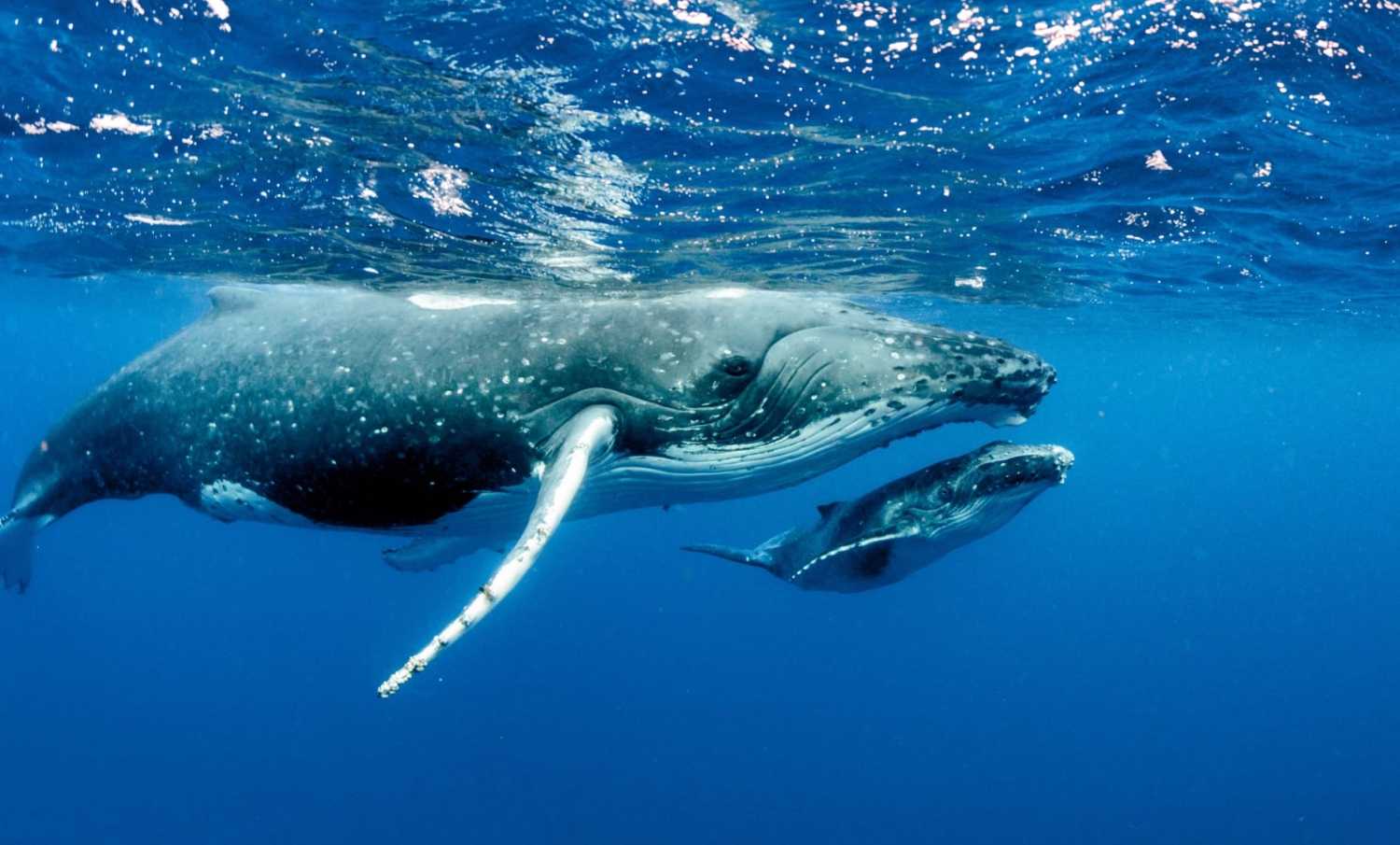
Humpback whales travel up to 10,000 miles each year, moving between feeding grounds in colder waters and breeding grounds in tropical regions.
Some humpbacks repeat these journeys for decades, meaning a whale living 80 years may travel hundreds of thousands of miles during its lifetime.
Fascinating Whale Lifespan Facts
Here are a few surprising facts that make whale longevity even more impressive.
- Bowhead whales may live for more than 200 years.
- Blue whales commonly reach 80 to 90 years.
- Some humpback whales have been photographed and studied for over 50 years.
- Female orcas often outlive males by several decades.
- Scientists continue discovering new genetic clues that explain why whales resist aging better than many mammals.
- Some whale populations have been continuously monitored since the 1970s, providing one of the longest wildlife datasets in the world.
Frequently Asked Questions
How long do whales live on average?
Most whale species live between 40 and 90 years, although bowhead whales can survive for more than 200 years.
What whale lives the longest?
The bowhead whale holds the record as the longest living whale and the longest living mammal on Earth.
How old is the oldest whale ever recorded?
Scientists estimate several bowhead whales have exceeded 200 years based on genetic analysis and historical evidence.
Do blue whales live longer than humpback whales?
Generally, yes. Blue whales often live around 80 to 90 years, while humpback whales usually live between 45 and 90 years.
Why do whales live so long?
Researchers believe their longevity results from slow aging, efficient DNA repair, large body size, and relatively few natural predators.
Final Thoughts
So, how long do whales live? The answer depends on the species, but one thing is clear. Whales are among the longest living animals on Earth.
Some spend just a few decades crossing the oceans. Others witness two centuries of changing seasons beneath the waves. Every year researchers learn a little more about how these remarkable mammals age so gracefully, and each discovery raises new questions about biology, conservation, and the future of our oceans.
The more we understand about whale lifespans, the more obvious it becomes that protecting them isn’t just about preserving individual animals. It’s about safeguarding generations of creatures whose lives stretch far beyond our own. Many of the whales swimming through today’s oceans were already alive before most of us were born, and with healthy oceans, some may still be there for our grandchildren to admire.
Feel free to ask any questions you might have about anything you read in this blog.
We started Reel Guides to make it easy to book fishing trips around the United States.
Click here to browse and book your next fishing charter in Florida!
Readers can benefit from a special promotion code from Mustad Fishing.
Use promo code REELGUIDES for an additional 20% off your next order at www.mustad-fishing.com.