

How Many Fish Are in the Ocean? Exploring the Vastness of Marine Life
Written By: Captain Kody Michael
In this blog, we’ll dive into what we currently know about fish populations, what challenges researchers face in counting them, and why preserving this biodiversity is crucial for the health of our oceans.
How Many Fish Are in the Ocean: Billions or Trillions?
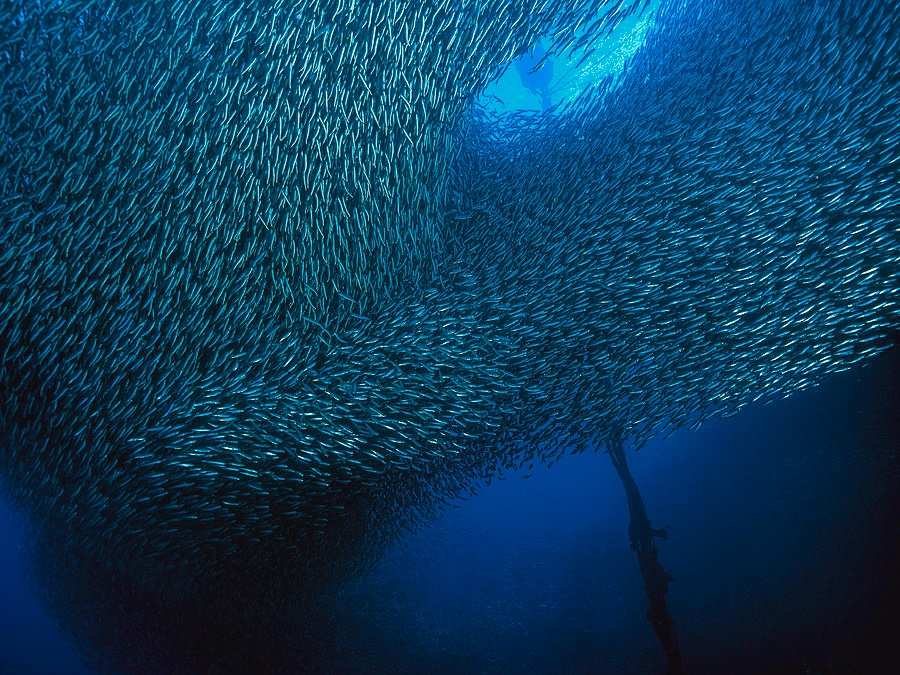
Although there’s no single, definitive count of all fish in the ocean, scientists estimate that the number of individual fish may range in the trillions. That’s right.. trillions of fish swimming across Earth’s oceans at any given time.
This includes:
-
Vast schools of forage fish like sardines and anchovies
-
Solitary predators such as tuna, swordfish, and sharks
-
Coral reef inhabitants like clownfish, wrasse, and parrotfish
-
Deep-sea dwellers still largely unexplored
It’s important to note that this number is constantly changing due to:
-
Spawning cycles
-
Predation
-
Migration
-
Environmental changes
These dynamic systems make fish populations fluid and ever-adapting.
How Many Fish Species Are There?
While individual fish may number in the trillions, the diversity of fish species is equally impressive.
According to the FishBase database (a global catalog of fish species used by scientists), as of 2024:
-
Over 34,000 distinct species of fish have been documented
-
Fish make up more than half of all known vertebrate species on Earth
And that number is still growing as researchers explore remote regions and deep-sea environments.
Some notable species categories include:
-
Bony fish (Osteichthyes) – like snapper, tuna, and trout
-
Cartilaginous fish (Chondrichthyes) – including sharks, rays, and skates
-
Jawless fish (Agnatha) – like hagfish and lampreys
New species are discovered regularly, especially in the deep ocean where visibility and access are limited.
Why Is It So Hard to Count Fish?
Several factors make it nearly impossible to provide a precise number of fish in the ocean:
? 1. The Ocean Is Vast and Deep
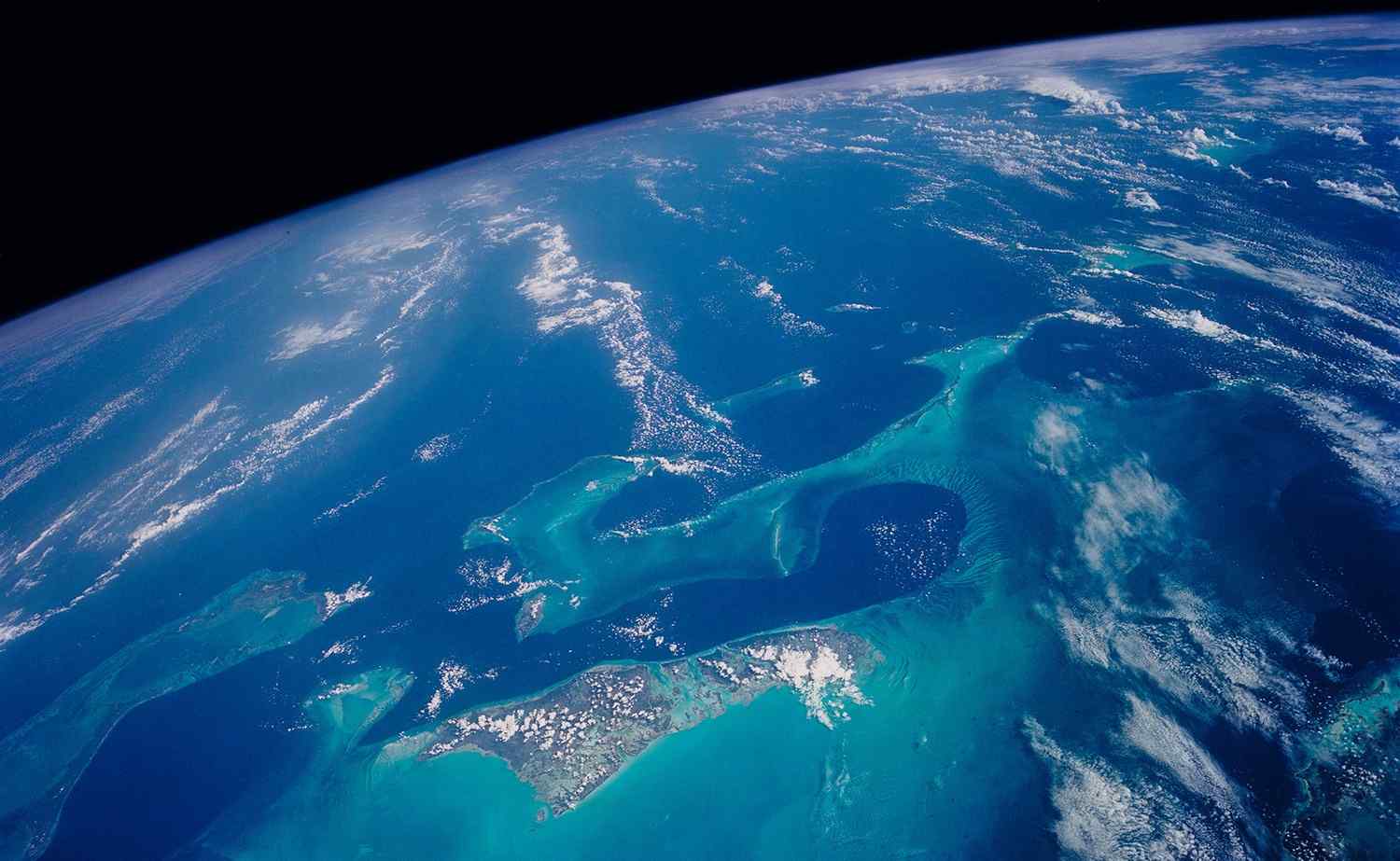
The ocean covers over 70% of Earth’s surface and descends to depths greater than 36,000 feet in some trenches. Most fish live far below the surface, out of reach of most technology.
? 2. Fish Migrate Constantly
Species like tuna, salmon, and herring travel vast distances to spawn, feed, or follow temperature changes. Tracking every individual is currently beyond our technological capacity.
? 3. New Species Are Still Being Discovered
Every year, researchers identify hundreds of new fish species, especially in coral reefs and deep-sea vents. This means our count of species and individuals is always evolving.
? 4. Overfishing Skews Numbers
Human fishing activity removes an estimated 90-100 million metric tons of fish annually, affecting natural population counts and creating gaps in data.
Tools Scientists Use to Estimate Fish Populations
While exact numbers may be uncertain, scientists use a variety of methods to make educated estimates:
?️ Acoustic Surveys
Sonar and sound-wave technology help scientists measure schools of fish based on their echo signatures. This method is commonly used to assess commercial species like cod or pollock.
? Tagging and Tracking
Species like tuna and sharks are often tagged with satellite or acoustic devices, allowing scientists to monitor movement, migration patterns, and population health.
? Environmental DNA (eDNA)
As fish move through the water, they shed skin cells and waste. Researchers now collect and analyze traces of DNA in seawater samples to detect which species are present—even those that are never directly seen.
? Catch Data and Stock Assessments
Fisheries provide crucial data through regulated catch reports, helping estimate how many fish remain in a population and how fast they are reproducing.
The Importance of Fish in Marine Ecosystems
Fish are not just abundant.. they are essential to ocean health. They play key roles in:
-
Nutrient cycling (e.g., parrotfish grazing coral and redistributing sand)
-
Maintaining predator-prey balance
-
Supporting coral reef growth through grazing and cleaning
-
Feeding billions of people around the globe
Disrupting fish populations can create chain reactions that affect entire ecosystems, from plankton to apex predators.
Are Fish Populations in Decline?
Unfortunately, many fish populations are under severe pressure due to:
-
Overfishing
-
Habitat loss (coral bleaching, mangrove destruction)
-
Pollution
-
Climate change (warming waters and ocean acidification)
According to the Food and Agriculture Organization (FAO):
-
About 35% of global fish stocks are currently being fished at unsustainable levels
-
Large, slow-reproducing species like bluefin tuna and some shark species are especially vulnerable
However, many organizations and governments are working to create marine protected areas, implement sustainable fisheries, and reduce bycatch.
Why It Matters: Protecting the Future of Fish
Understanding how many fish live in the ocean isn’t just an academic exercise.. it has real-world implications for:
-
Global food security
-
Economic stability in coastal communities
-
Marine biodiversity
-
Climate resilience
Each fish species plays a unique role in the ecosystem. The loss of even a few key species can destabilize entire habitats.
What You Can Do to Help
Whether you’re an angler, consumer, or ocean enthusiast, here are a few ways you can support healthy fish populations:
✅ Choose Sustainable Seafood
Look for labels like MSC (Marine Stewardship Council) or Seafood Watch recommendations to ensure you’re buying from responsible sources.
✅ Practice Catch-and-Release Responsibly
If you fish recreationally, use circle hooks, handle fish with care, and release them properly to increase survival rates.
✅ Support Conservation Efforts
Donate to or volunteer with organizations working to protect oceans, like Oceana, SeaLegacy, or your local marine science center.
✅ Reduce Plastic Use
Microplastics and marine debris impact fish at every stage of life. Cutting down on single-use plastics helps reduce ocean pollution.
Conclusion
So, how many fish are in the ocean? While we may never know the exact number, the current estimates point to a staggering abundance.. trillions of individuals across tens of thousands of species. But this abundance is not guaranteed. Human activity, climate change, and unsustainable practices threaten fish populations around the world.
By valuing fish not just as food but as key players in Earth’s life systems, we can take meaningful steps toward preserving ocean health. Because when fish thrive, the entire planet benefits.
Feel free to ask any questions you might have about anything you read in this blog.
We started Reel Guides to make it easy to book fishing trips around the United States.
Click here to browse and book your next fishing charter in Florida!
Readers can benefit from a special promotion code from Mustad Fishing.
Use promo code REELGUIDES for an additional 20% off your next order at www.mustad-fishing.com.