
How Should You Pass a Fishing Boat | Boating Rules & Tips
Written By: Captain Kody Michael
If you’ve ever been out on the water and wondered, how should you pass a fishing boat, you’re not alone. This is one of the most common questions among both beginner and experienced boaters. Understanding the correct way to pass a fishing boat isn’t just about courtesy, it’s about safety, legal compliance, and protecting the experience of everyone on the water.
In this guide, we’ll break down how should you pass a fishing boat, why it matters, and the exact steps you should follow to do it properly. Whether you’re cruising on a lake, navigating coastal waters, or enjoying a river outing, this guide will help you become a more responsible and confident boater.
Why It’s Important to Know How You Should Pass a Fishing Boat
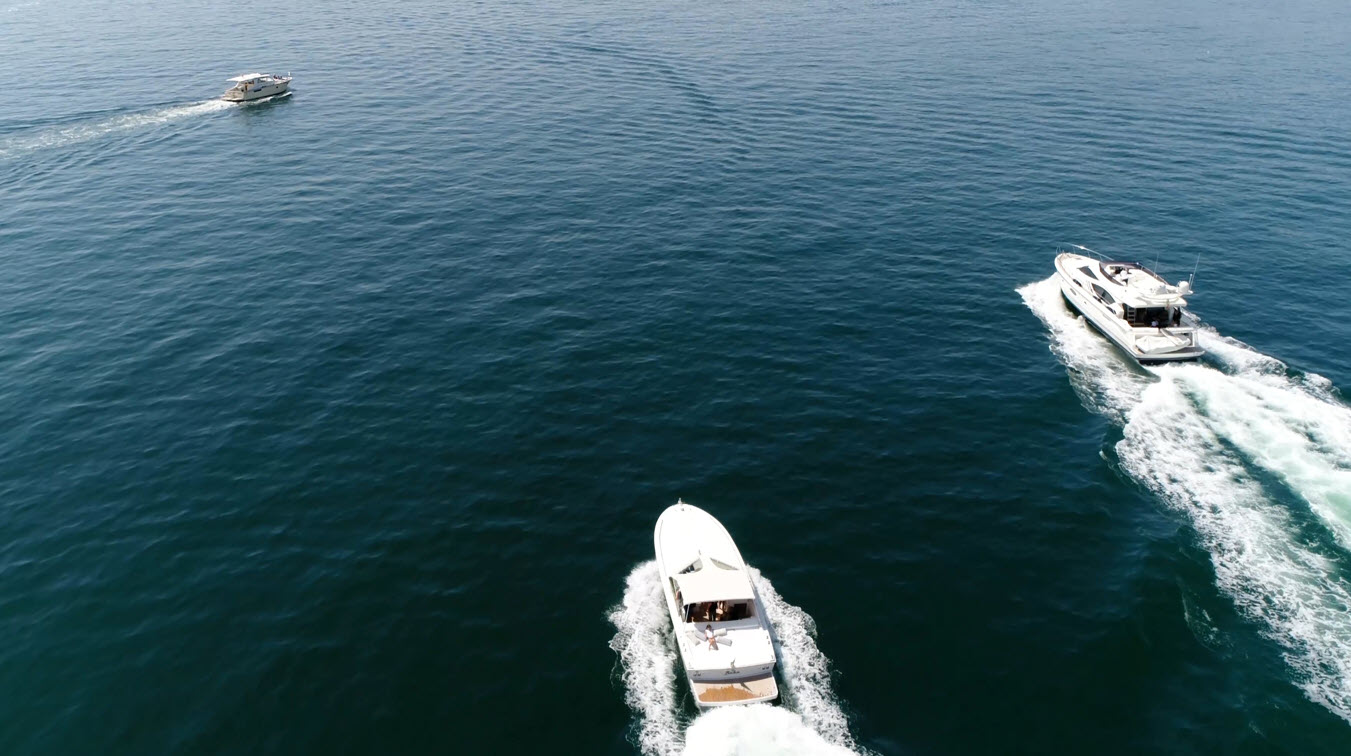
Before diving into the “how,” let’s talk about the “why.” Knowing how should you pass a fishing boat is critical for several reasons:
- Safety: Fishing boats often have lines, nets, or equipment in the water
- Courtesy: Anglers rely on calm waters to fish effectively
- Legal rules: Many boating laws require giving way to fishing vessels
- Preventing accidents: Improper passing can lead to collisions or tangled lines
According to boating safety guidance from the U.S. Coast Guard, vessel operators must always operate safely and avoid interfering with other boats, especially those restricted in maneuverability.
Fishing boats are usually considered restricted in maneuverability, which means they cannot easily move out of your way. That’s why the responsibility falls on you to pass correctly.
Understanding Right-of-Way Rules on the Water
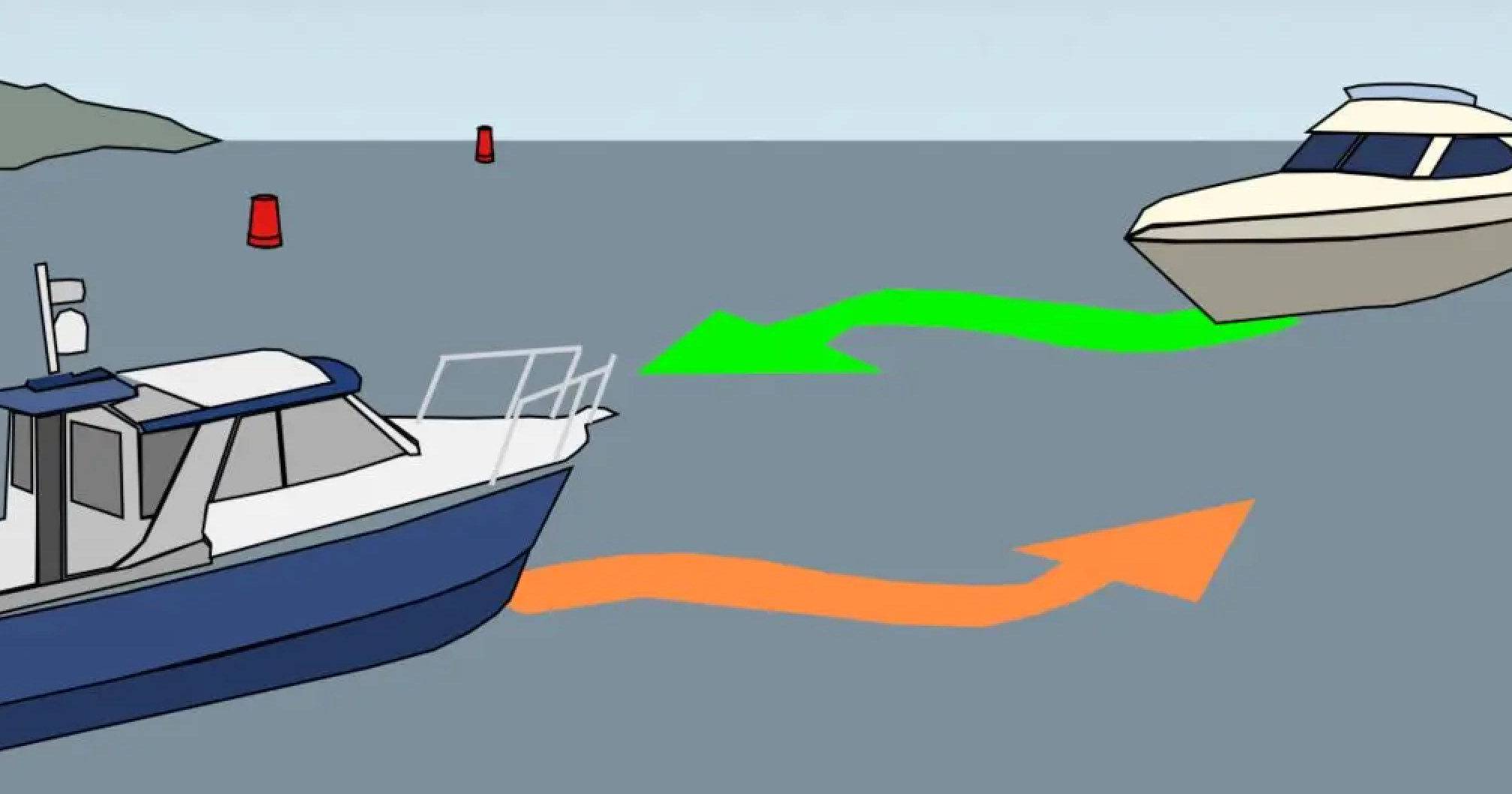
To fully understand how should you pass a fishing boat, you need to know a few basic right-of-way rules.
These rules are outlined in the Navigation Rules published by the U.S. Coast Guard.
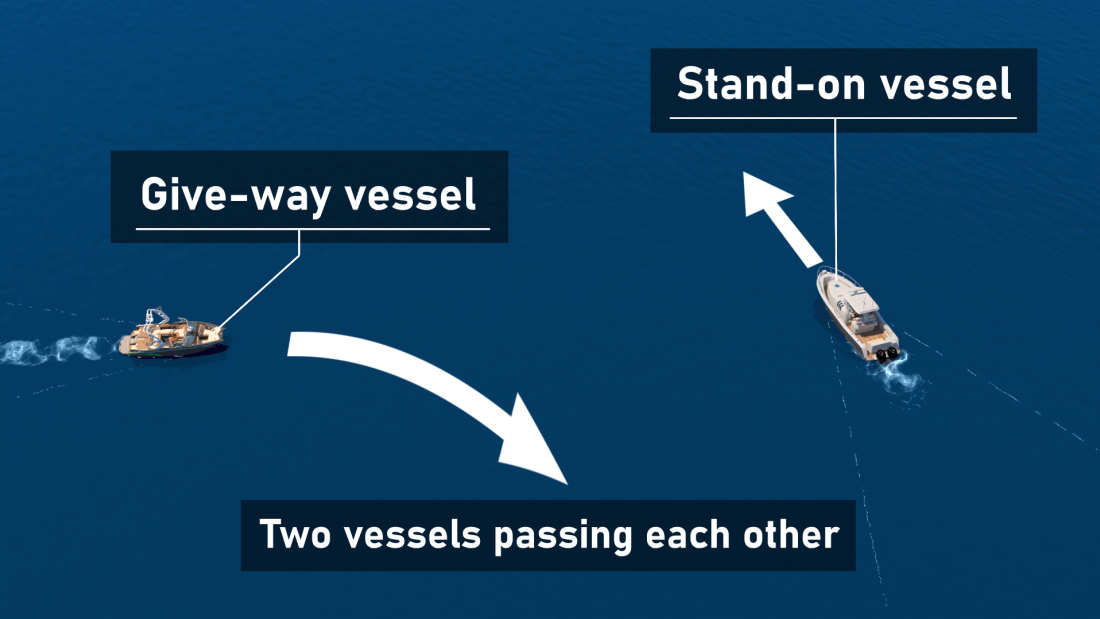
1. Fishing Boats Often Have Priority
Fishing vessels actively engaged in fishing (especially with gear in the water) generally have the right of way.
2. Powerboats Must Yield
If you’re operating a motorized vessel, you are typically required to yield to fishing boats.
3. Stay Clear of Equipment
Fishing lines, nets, and traps may extend far beyond the visible boat. Passing too close can cause serious issues.
Understanding these rules is the foundation for knowing exactly how should you pass a fishing boat in any situation.
How Should You Pass a Fishing Boat? Step-by-Step Guide
Now let’s get into the practical side. Here’s exactly how should you pass a fishing boat safely and properly:
1. Slow Down Early
Reduce your speed well before you approach the fishing boat. This minimizes wake and gives you more control.
2. Observe the Situation
Look for:
- Fishing lines in the water
- The direction the boat is facing
- Any signals from the angler
3. Give Plenty of Space
A good rule of thumb is to stay at least:
- 100 feet away on small waterways
- More distance on open water
Organizations like BoatUS recommend giving as much space as possible to avoid interfering with fishing activity.
4. Pass Behind, Not in Front
👉 Always pass behind the fishing boat, never in front.
Passing in front can:
- Cut through fishing lines
- Disrupt the angler’s setup
- Create dangerous situations
5. Minimize Your Wake
Your boat’s wake can:
- Scare fish away
- Rock the fishing boat
- Damage equipment
Keep your speed low and your wake minimal.
6. Maintain a Steady Course
Avoid sudden turns or unpredictable movements. A steady path makes it easier for the fishing boat operator to anticipate your actions.
Common Mistakes to Avoid When Passing a Fishing Boat
Even experienced boaters sometimes get it wrong. Here are the most common mistakes people make:
Passing Too Close
This is the #1 mistake. Even if you think you’re far enough, it’s better to give more space.
Creating a Large Wake
Speeding past a fishing boat can ruin someone’s fishing experience and even cause accidents.
Cutting Across Fishing Lines
Fishing lines can be nearly invisible. Crossing them can damage gear and create tension between boaters.
Ignoring Signals
If the angler is signaling or trying to communicate, pay attention.
How Should You Pass a Fishing Boat in Different Scenarios
Not all situations are the same. Let’s break it down.
On a Narrow River
- Slow down significantly
- Wait for a clear opening
- Pass with extreme caution
On a Lake
- You usually have more space
- Pass widely and behind
- Avoid creating unnecessary wake
In Coastal or Ocean Waters
- Be mindful of larger fishing vessels
- Watch for nets and buoys
- Maintain a safe distance
For real-world boating safety scenarios, resources like Discover Boating provide excellent guidance.
Etiquette Matters: Respecting Fellow Boaters
Boating isn’t just about rules—it’s about respect. Knowing how should you pass a fishing boat also means understanding etiquette:
- Don’t disturb someone actively fishing
- Avoid loud noise when passing
- Be patient—wait if necessary
Educational platforms like Take Me Fishing emphasize respect and courtesy as key parts of responsible boating.
Legal Considerations You Should Know
In many areas, improper passing can lead to fines or penalties.
- Failure to yield can result in citations
- Reckless operation may lead to fines
- Damaging fishing gear can make you liable
You can review general boating laws through the National Association of State Boating Law Administrators.
Tips for Beginners
If you’re new to boating:
- Practice slow-speed control
- Learn to read water conditions
- Take a boating safety course (recommended by Boat US)
- When in doubt, give more space
Final Thoughts: Becoming a Better Boater
Understanding how should you pass a fishing boat is an essential skill for anyone who spends time on the water. It’s about more than just rules—it’s about safety, respect, and responsibility.
By slowing down, giving space, passing behind, and staying aware of your surroundings, you’ll not only avoid problems but also earn the respect of fellow boaters.
The next time you’re out on the water and ask yourself, how should you pass a fishing boat, remember:
👉 Slow, wide, and behind is always the right approach.
Feel free to ask any questions you might have about anything you read in this blog.