

The Minke Whale: Facts, Habitat, Behavior, and Conservation
Written By: Captain Kody Michael
When it comes to marine giants, the minke whale often flies under the radar, yet it’s one of the most fascinating and widely distributed whales on Earth. Whether you’re a marine enthusiast, a student, or someone researching ocean life, understanding the minke whale offers a window into the health of our oceans and the complexity of marine ecosystems.
In this in-depth guide, we’ll explore everything you need to know about the minke whale, including its habitat, diet, behavior, conservation status, and why it matters more than ever.
🌊 What Is a Minke Whale?
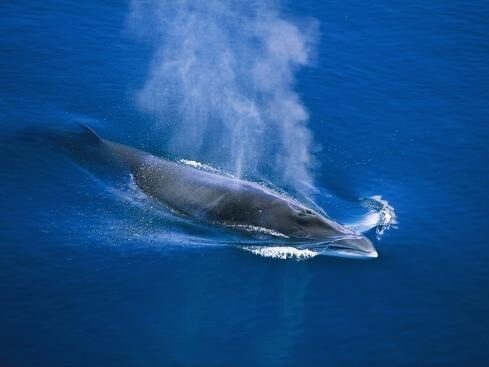
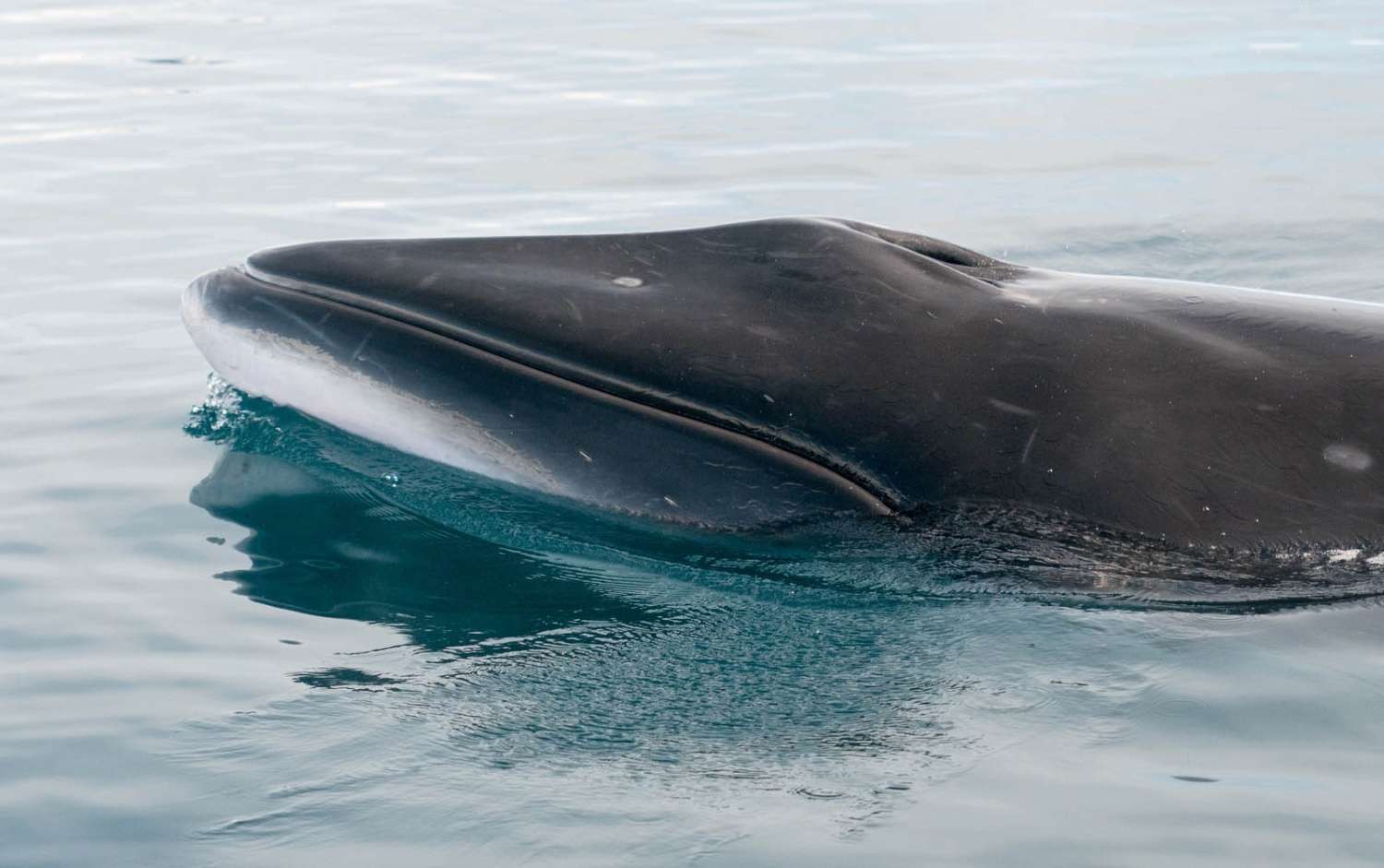
The minke whale is the smallest member of the baleen whale family, but don’t let “small” fool you. These whales can grow up to 35 feet (10.5 meters) long and weigh up to 10 tons.
There are two main species of minke whale:
- Common minke whale (Balaenoptera acutorostrata)
- Antarctic minke whale (Balaenoptera bonaerensis)
Despite their size relative to other whales, the minke whale is incredibly fast, agile, and elusive—making it one of the hardest whales to study in the wild.
For more scientific classification and marine biology context, you can explore resources from National Geographic Society and NOAA Fisheries.
🧭 Minke Whale Habitat and Distribution
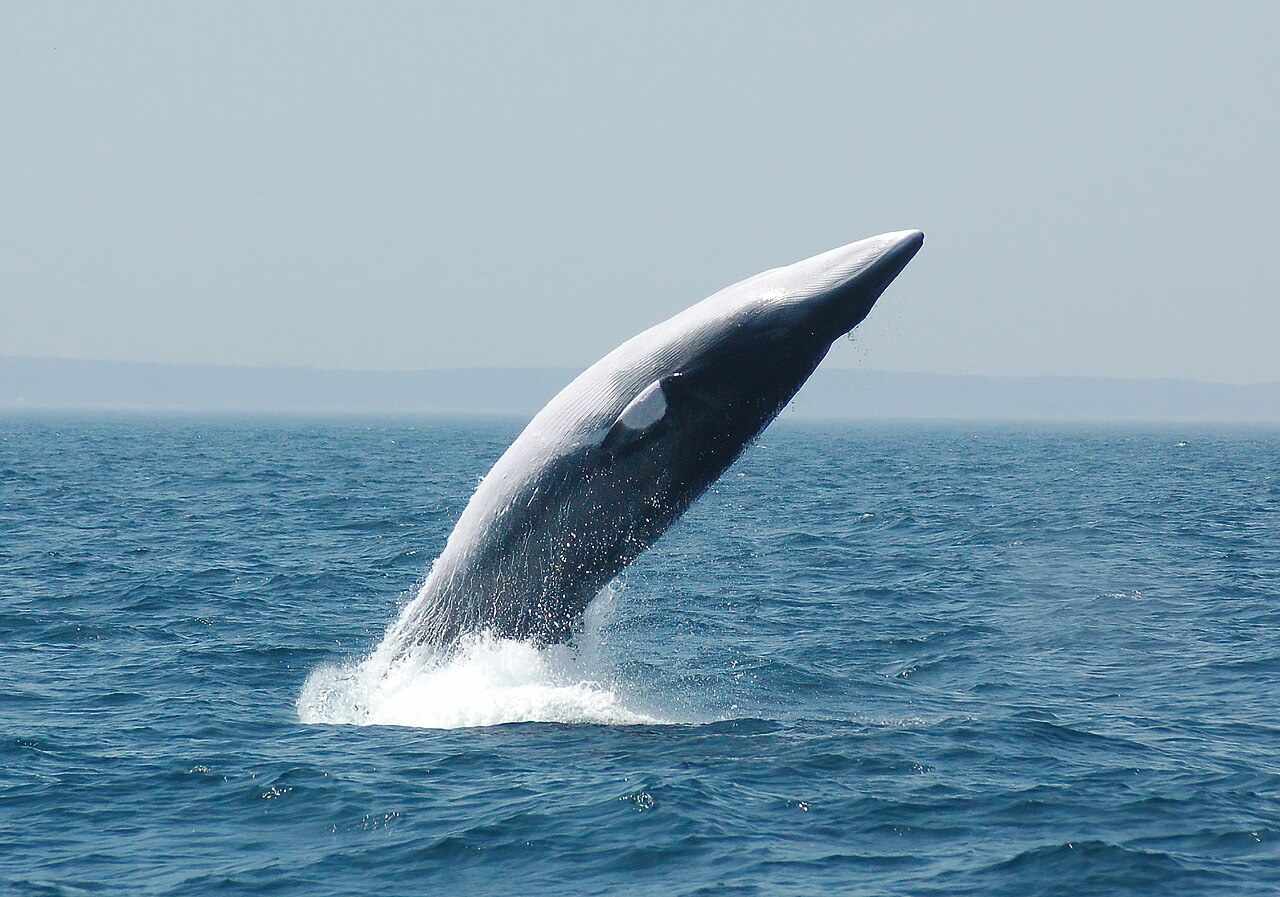
One reason the minke whale is so important in marine research is its global presence.
Where Do Minke Whales Live?
Minke whales are found in:
- The Atlantic Ocean
- The Pacific Ocean
- The Indian Ocean
- Polar regions, including Antarctica
They are known for their wide distribution and adaptability, thriving in both cold polar waters and temperate coastal regions.
Learn more about whale distribution and ocean ecosystems here.
Migration Patterns
The minke whale follows seasonal migration patterns:
- Summer: Feeds in colder, nutrient-rich waters
- Winter: Moves toward warmer waters for breeding
Unlike some whale species, their migration routes are less predictable, which adds to their mystery.
🍽️ What Does a Minke Whale Eat?
The minke whale is a baleen whale, meaning it filters food through baleen plates instead of teeth.
Primary Diet
A typical minke whale diet includes:
- Krill
- Small fish (like herring and anchovies)
- Plankton
Feeding Technique
Minke whales use a method called lunge feeding:
- Accelerate toward a school of prey
- Open their mouth wide
- Take in large volumes of water and food
- Filter out water through baleen plates
This efficient feeding strategy allows the minke whale to consume thousands of calories in a single dive.
For more on marine food chains and whale feeding behavior, visit the World Wildlife Fund.
🧠 Behavior and Intelligence of the Minke Whale
The minke whale is known for being more solitary compared to other whale species.
Social Behavior
- Typically seen alone or in small groups
- Occasionally forms temporary feeding aggregations
- Less vocal than humpback whales
Unique Traits
- Highly curious—sometimes approaches boats
- Extremely fast swimmers
- Known for sudden appearances at the surface
Because of their elusive nature, studying the minke whale remains a challenge for marine biologists.
🐬 Physical Characteristics of the Minke Whale
Understanding the physical traits of the minke whale helps distinguish it from other whales.
Key Features
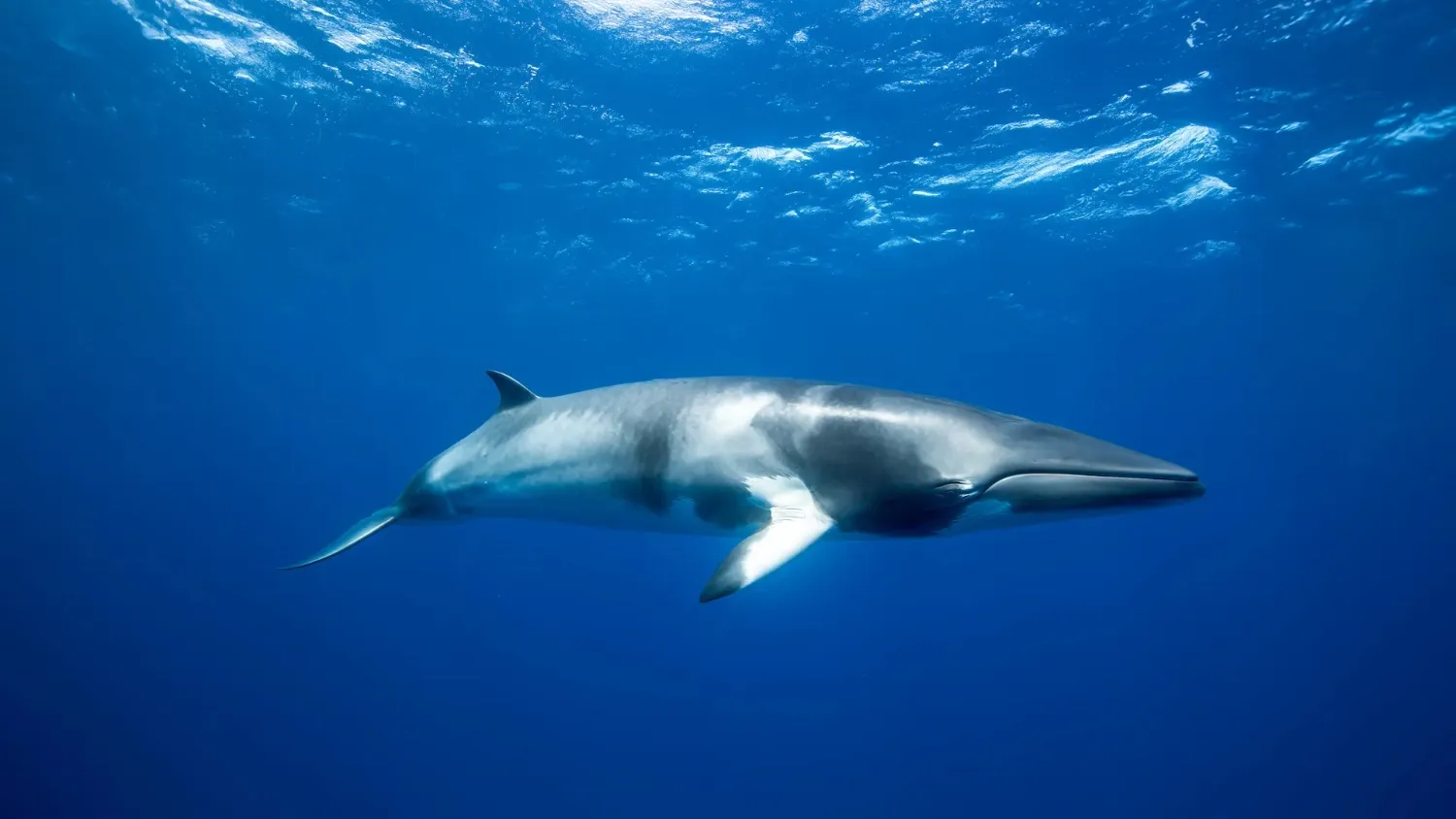
- Streamlined, torpedo-shaped body
- Dark gray to black coloration with lighter underside
- White bands on flippers (common minke whale)
- Pointed snout
These features make the minke whale one of the most recognizable small baleen whales in the ocean.
🌍 Why the Minke Whale Matters to the Ecosystem
The minke whale plays a crucial role in maintaining ocean health.
Ecological Importance
- Helps regulate fish populations
- Contributes to nutrient cycling (whale waste supports phytoplankton growth)
- Supports marine biodiversity
Healthy populations of minke whales indicate a balanced marine ecosystem.
You can dive deeper into marine conservation science via NOAA.
⚠️ Threats Facing the Minke Whale
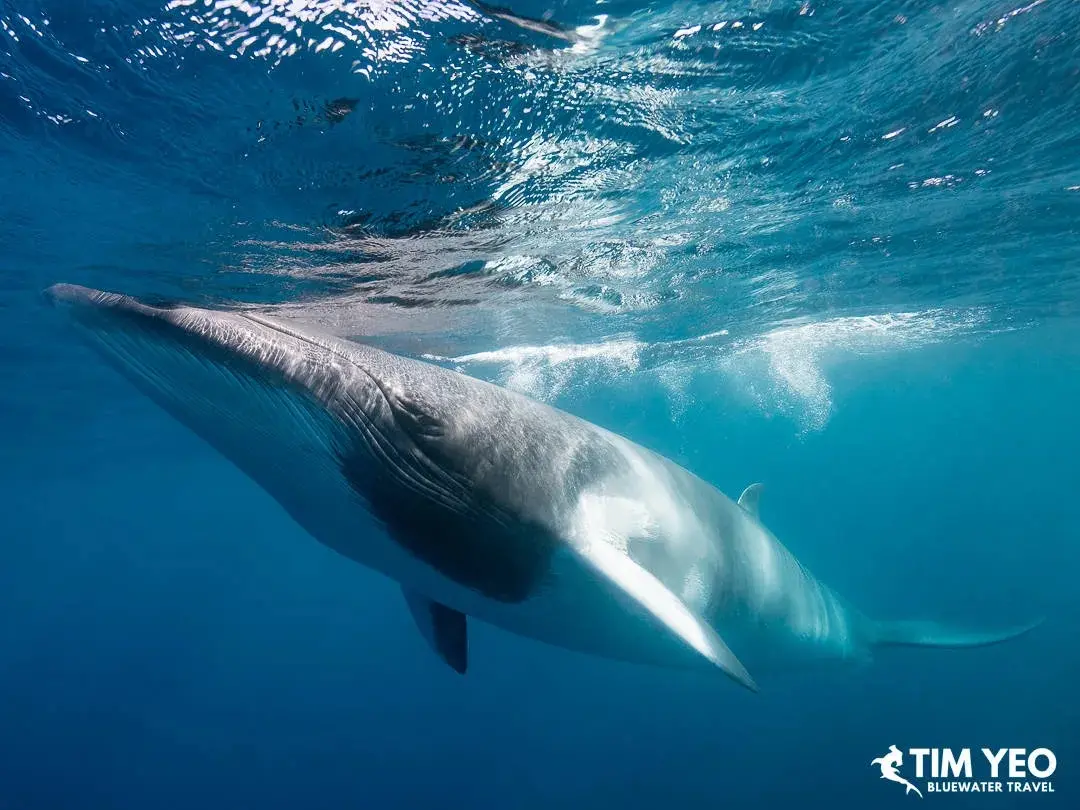
Despite being one of the more abundant whale species, the minke whale still faces significant threats.
Major Threats
1. Commercial Whaling
Some countries continue to hunt minke whales, including Japan, Norway, and Iceland.
2. Climate Change
- Alters food availability
- Impacts migration patterns
3. Ocean Pollution
- Plastic ingestion
- Chemical contamination
4. Ship Strikes
Busy shipping lanes increase the risk of collisions.
🛡️ Minke Whale Conservation Efforts
Efforts to protect the minke whale are ongoing worldwide.
International Protection
Organizations like the International Whaling Commission regulate whaling practices and monitor whale populations.
Conservation Strategies
- Monitoring populations
- Enforcing anti-whaling laws
- Reducing ocean pollution
- Promoting eco-tourism
While the minke whale is not currently classified as endangered, continued conservation is essential.
🧭 Minke Whale vs Other Whales
How does the minke whale compare to other whales?
| Feature | Minke Whale | Blue Whale | Humpback Whale |
|---|---|---|---|
| Size | Smallest baleen whale | Largest animal ever | Medium-large |
| Behavior | Solitary | Mostly solitary | Highly social |
| Visibility | Hard to spot | Easier to identify | Known for breaching |
| Vocalization | Quiet | Low-frequency | Complex songs |
The minke whale stands out for its speed, stealth, and adaptability.
🧳 Whale Watching: Can You See a Minke Whale?
Yes! The minke whale is a popular sighting for whale watchers.
Best Locations
- Alaska
- Iceland
- Norway
- Canada
Tips for Spotting
- Look for small, quick surfacing movements
- Watch for subtle blows (spouts)
- Be patient—they’re shy
Seeing a minke whale in the wild is a rare and unforgettable experience.
🔍 Fun Facts About the Minke Whale
- The minke whale can swim up to 24 mph
- It’s the most abundant baleen whale species
- Named after a Norwegian whaler (possibly by mistake)
- Known as “little piked whale” in early literature
🧾 Conclusion: The Importance of the Minke Whale
The minke whale may be the smallest of the baleen whales, but its role in the ocean is anything but small. From regulating marine ecosystems to captivating whale watchers worldwide, this species is a vital part of our planet’s biodiversity.
As climate change and human activity continue to impact marine life, protecting the minke whale becomes increasingly important. By learning about and sharing information on the minke whale, you contribute to awareness, and ultimately, conservation.
We started Reel Guides to make it easy to book fishing trips around the United States.
Click here to browse and book your next fishing charter in Florida!
Readers can benefit from a special promotion code from Mustad Fishing.
Use promo code REELGUIDES for an additional 20% off your next order at www.mustad-fishing.com.