


Ono Fish: Everything You Need to Know
Written By: Captain Kody Michael
What Is Ono Fish?
Ono fish, also known as Wahoo, refers to the species Acanthocybium solandri, a sleek and powerful ocean fish that belongs to the mackerel family. It shares similarities with tuna and kingfish, yet it stands apart because of its remarkable speed, sharp features, and highly efficient hunting abilities. Its long, streamlined body is built for movement, allowing it to glide through the water with precision and force.
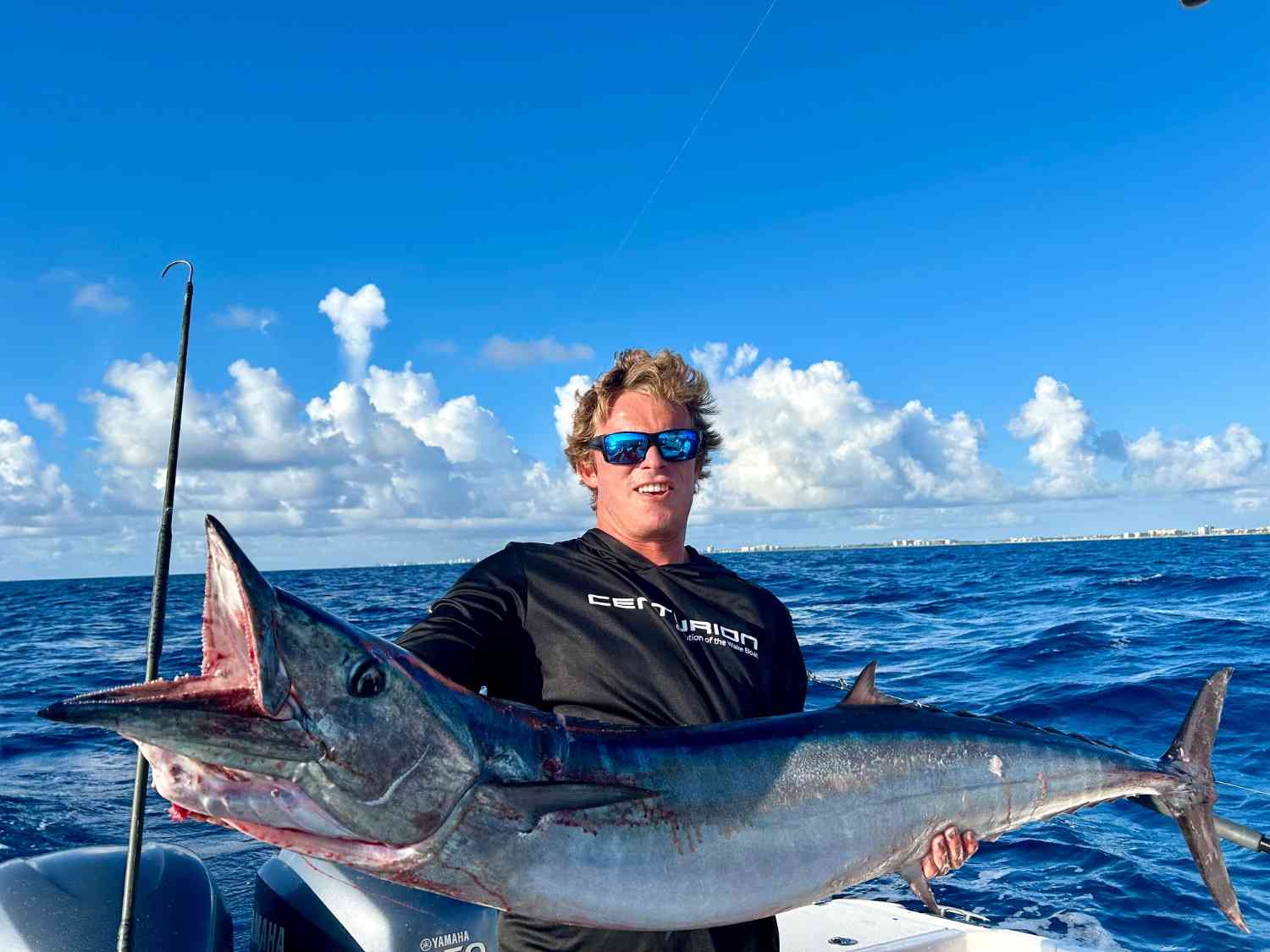
The name “ono” comes from the Hawaiian language, where it means “good to eat” or “delicious.” While this reflects its reputation as a popular seafood choice, the ono fish is much more than just a food source. It is a highly skilled predator that plays an important role in ocean ecosystems. With its sharp teeth, keen instincts, and strong body, it is perfectly adapted for survival in open water.
For scientific classification and detailed species data, you can explore the scientific classification of Acanthocybium solandri.
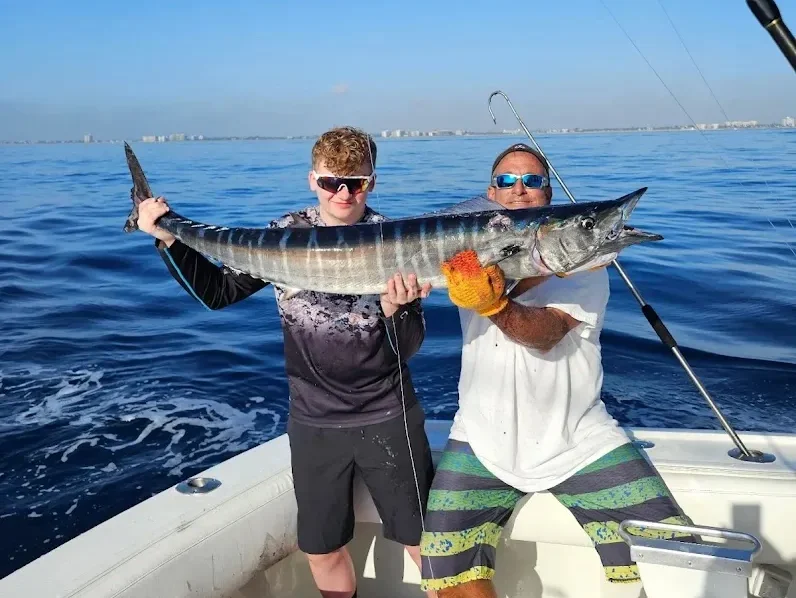
In addition to its physical traits, the ono fish is known for its striking appearance. Its body often displays a mix of deep blue and silver tones, sometimes with faint vertical stripes that shimmer as it moves through sunlight near the surface. This natural coloring not only makes it visually impressive but also helps it blend into its surroundings while hunting.
Habitat and Distribution of Ono Fish
One of the most fascinating aspects of the ono fish is how widely it can be found across the world’s oceans. It thrives in tropical and subtropical waters, which means it prefers warm temperatures and environments where food is abundant. Because of this, it is commonly found in major ocean regions rather than confined to one specific area.
You can find ono fish in:
- The Pacific Ocean, especially around Hawaii
- The Atlantic Ocean
- The Indian Ocean
- Offshore waters and open seas
Unlike reef-dwelling fish that stay close to coral structures, ono fish are pelagic, meaning they live in the open ocean. They are most often found in the upper layers of the water, where sunlight penetrates and where many smaller fish species gather. This location provides ideal hunting conditions.
For more insights, check global marine distribution data.
Ono fish are also known to follow ocean currents and temperature changes. These currents often carry schools of baitfish, which attract predators like the ono. As a result, their movement patterns can shift depending on seasonal changes, food availability, and water conditions.
The Incredible Speed of Ono Fish
The ono fish is widely recognized as one of the fastest fish in the ocean. It can reach speeds of up to 60 miles per hour, which allows it to chase down prey with remarkable efficiency. This speed is not just a random trait but a result of its highly specialized body design.
Its long, narrow shape reduces resistance in the water, while its strong tail provides powerful bursts of acceleration. Every part of its body works together to maximize speed and control. This makes the ono fish an expert hunter, capable of striking quickly and with precision.
Research on pelagic fish evolution and speed adaptations shows how species like ono fish are built for high-speed predation.
Speed also plays a role in survival. In the open ocean, there are few places to hide, so the ability to move quickly can mean the difference between life and death. Whether chasing prey or avoiding larger predators, the ono fish relies heavily on its speed.
Diet and Hunting Behavior
The ono fish is a carnivorous predator with a diet that mainly consists of smaller fish and squid. It is known for its aggressive and direct hunting style. Rather than slowly stalking its prey, it often relies on sudden bursts of speed to catch its target.
Common prey includes:
- Flying fish
- Small tuna
- Sardines
- Squid
Ono fish typically hunt near the surface, where many of these prey species are found. It uses its sharp teeth to quickly capture and consume its food, often striking with little warning. This fast and efficient approach helps it conserve energy while still being an effective predator.
Although it is often a solitary hunter, there are times when ono fish can be seen in small groups, especially in areas where food is plentiful. In these situations, competition can be intense, which further highlights their speed and agility.
Role in the Marine Ecosystem
The ono fish plays an important role in maintaining balance within marine ecosystems. As a top predator, it helps control populations of smaller fish and squid. This prevents any one species from becoming too dominant, which helps keep the ecosystem stable.
This ecological role is important because it supports a healthy food chain. When predator and prey populations are balanced, the entire ocean environment benefits. Without predators like the ono fish, certain species could grow too quickly, leading to disruptions in the ecosystem.
Learn more about the importance of apex predators in marine ecosystems.
By regulating prey populations, the ono fish indirectly supports biodiversity. This means more species can coexist, creating a richer and more resilient marine environment.
Ono Fish and Sport Fishing Culture
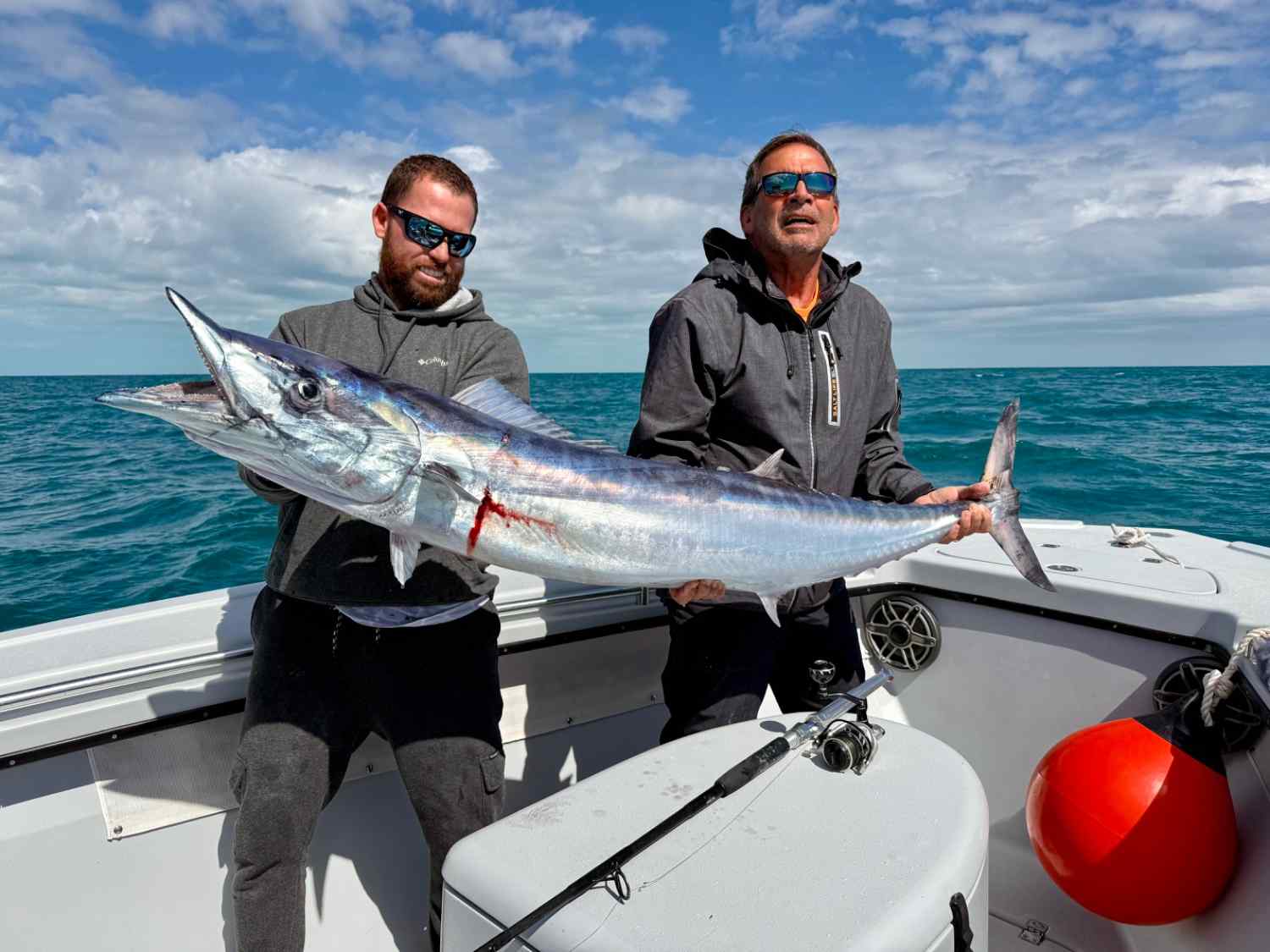
Ono fish is highly valued in sport fishing communities around the world. Its speed and strength make it a challenging catch, which adds to its appeal among anglers. When hooked, it is known for fast and powerful runs that test both skill and equipment.
Fishing for ono often takes place offshore, where conditions can be unpredictable. This adds an element of adventure, making it a popular target for experienced fishers. Many fishing tournaments even highlight ono fish because of the excitement it brings.
Cultural Significance of Ono Fish
In Hawaiian culture, the ono fish holds a special place. Its name reflects its reputation as a prized catch, and it has long been part of local traditions and ocean life. Fishing has always been an important part of Hawaiian culture, and species like ono are deeply connected to that heritage.
Beyond Hawaii, the ono fish is recognized in many coastal regions as a symbol of strength and speed. It represents the power of the ocean and the skill required to navigate and harvest from it.
Conservation and Sustainability
Like many ocean species, the ono fish faces challenges such as overfishing, climate change, and changes in ocean conditions. While it is not currently considered highly endangered, it is still important to manage its population carefully.
Important sustainability practices include:
- Monitoring catch limits
- Protecting marine habitats
- Supporting responsible fishing efforts
To help protect marine life, explore sustainable seafood and fishing practices.
Sustainable practices ensure that future generations will continue to experience and benefit from species like the ono fish. By making responsible choices, both individuals and industries can contribute to healthier oceans.
Final Thoughts on Ono Fish
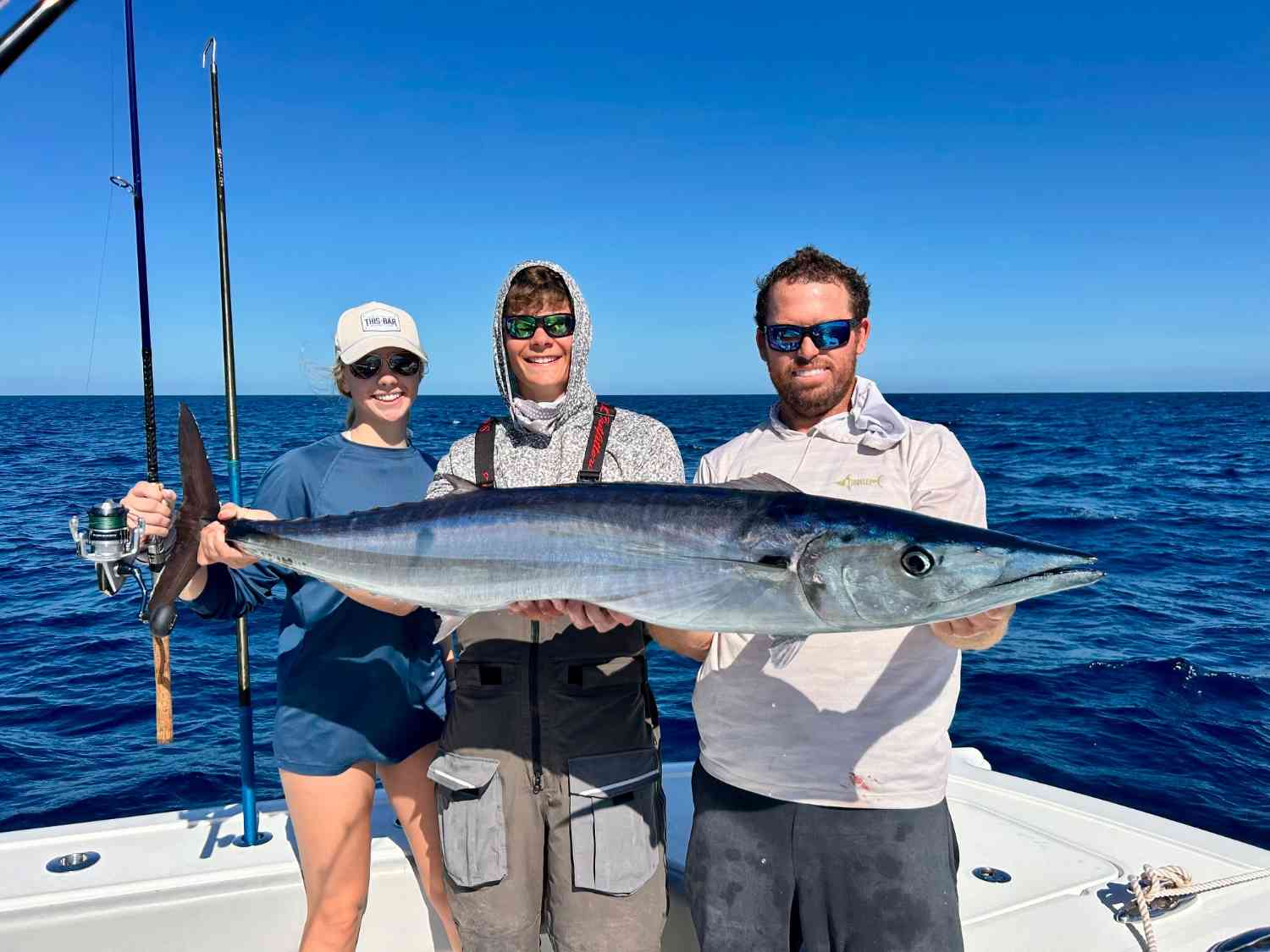
Ono fish is far more than just a name or a type of seafood. It is a fast, powerful, and highly adapted predator that plays a key role in the ocean. Its speed, behavior, and importance in marine ecosystems make it one of the most fascinating fish in the world.
By learning more about the ono fish, we gain a deeper understanding of how ocean life works and why it is important to protect it.
We started Reel Guides to make it easy to book fishing trips around the United States.
Click here to browse and book your next fishing charter in Florida!
Readers can benefit from a special promotion code from Mustad Fishing.
Use promo code REELGUIDES for an additional 20% off your next order at www.mustad-fishing.com.