
How to Start Spearfishing for Absolute Beginners
Written By: Captain Kody Michael
Spearfishing is one of the most exciting and rewarding ways to connect with the ocean. It puts you directly in the water, face-to-face with the fish you pursue. For many newcomers, the idea of diving underwater with a spear can seem intimidating, but the truth is that anyone can learn to spearfish with the right preparation, guidance, and respect for safety.
Whether you’re drawn by the thrill of the hunt, the chance to harvest your own fresh seafood, or the meditative experience of being immersed in the marine world, spearfishing can be a life-changing hobby. Here’s how to get started if you’ve never tried it before.
1. Learn the Basics of Freediving
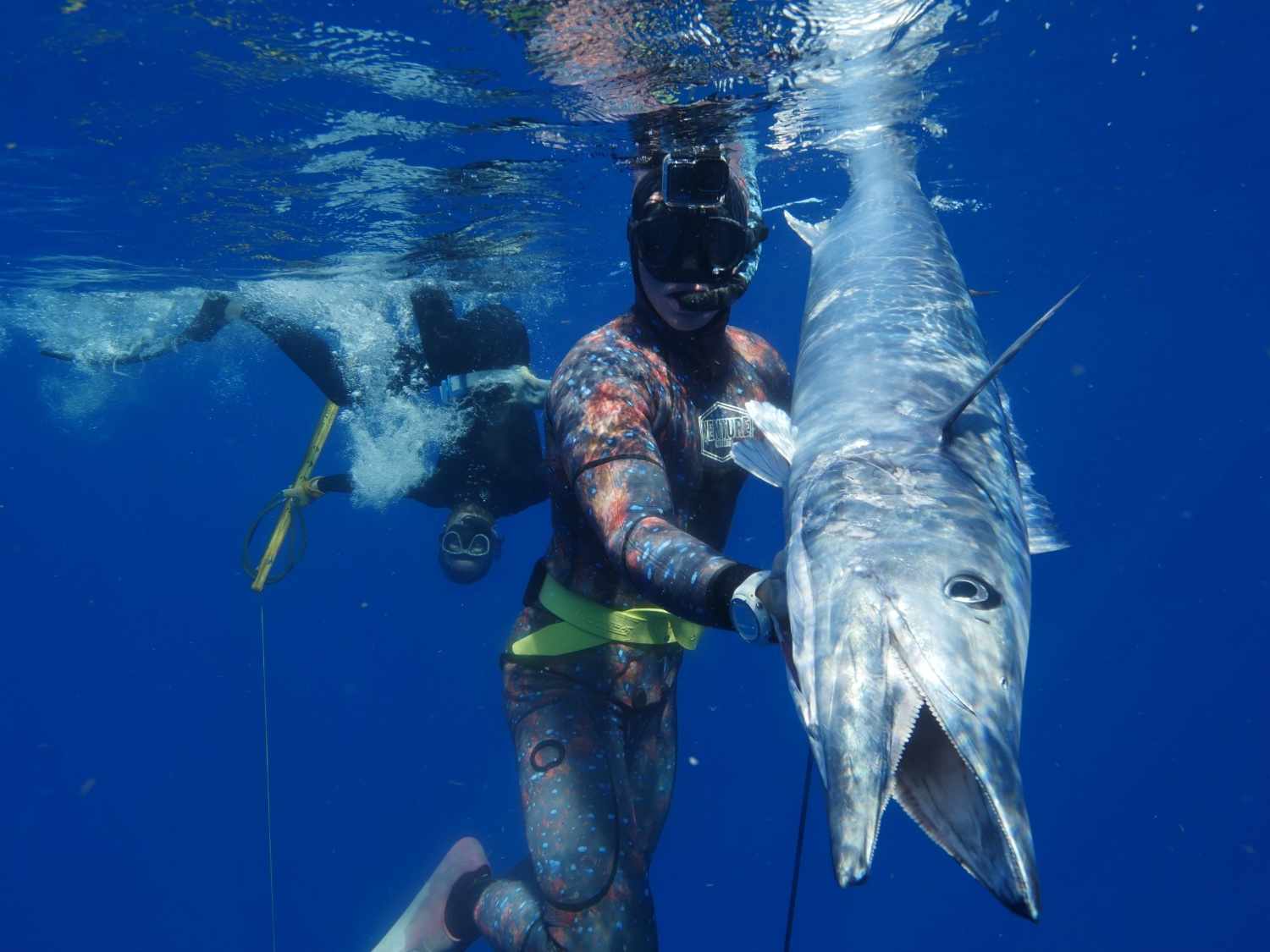
Spearfishing usually goes hand-in-hand with freediving—the practice of diving without scuba gear. Before you even pick up a spear gun, it’s smart to learn the foundations of breath-holding, equalizing pressure in your ears, and moving calmly underwater. Many areas offer short freediving courses that teach safety and technique. Even a day of training can boost your comfort level in the water and help you stay safe.
2. Start with the Right Gear
You don’t need the most expensive equipment to get started, but a few essentials are worth investing in:
-
Mask, snorkel, and fins – A good fit is critical for comfort and visibility.
-
Wetsuit – Not only for warmth but also for protection from scrapes, sun, and stings.
-
Spearfishing tool – Beginners often start with a pole spear before graduating to a spear gun.
-
Weight belt – Allows you to dive more efficiently and stay neutrally buoyant.
-
Dive knife – A safety tool that can free you from entanglements and assist with fish dispatch.
3. Focus on Safety First
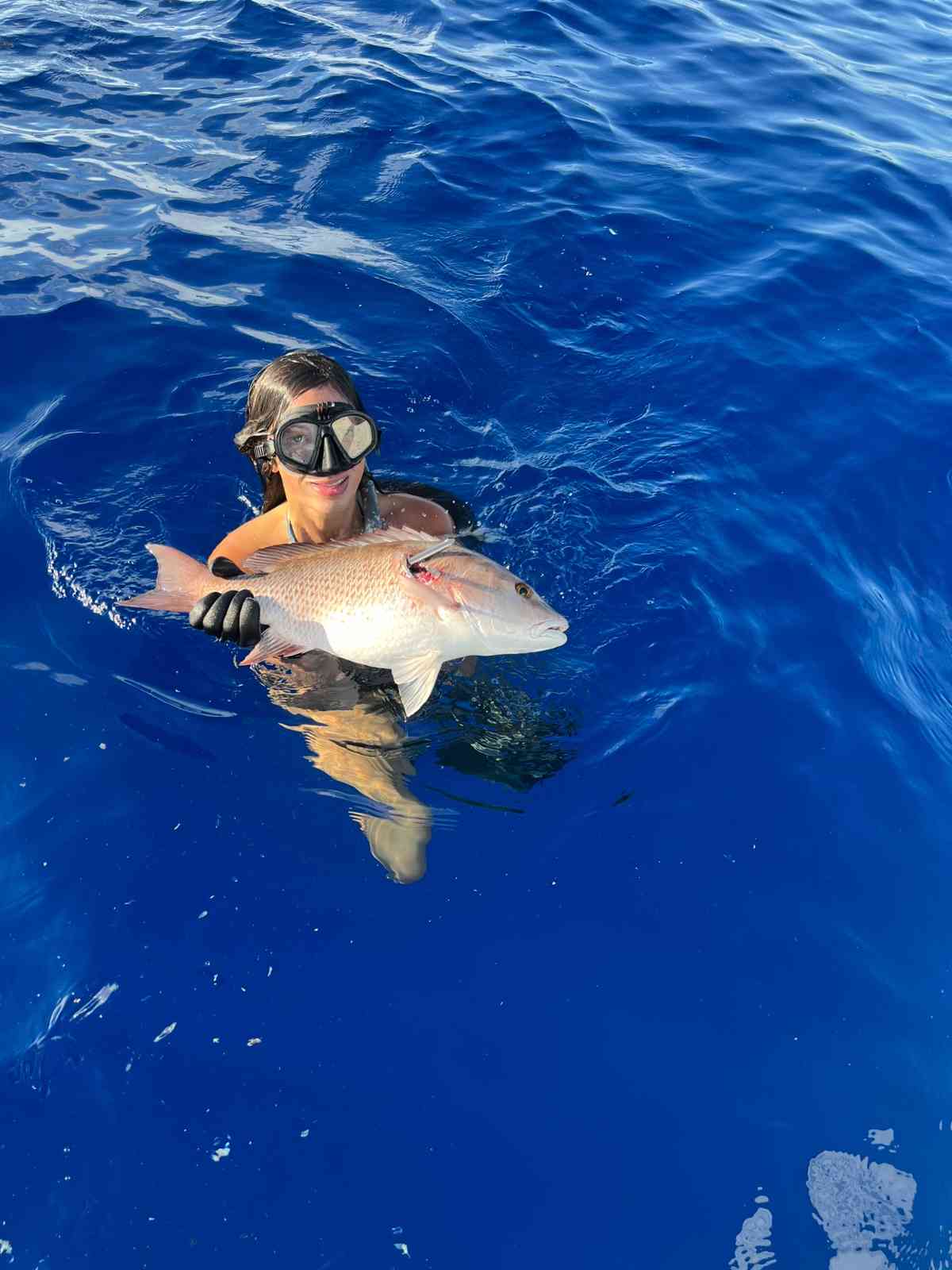
The number one rule of spearfishing is: never dive alone. Always go with a buddy who can keep an eye on you, especially while you’re learning. In addition, make sure you:
-
Use a dive flag so boats know divers are in the area.
-
Learn how to identify your target species to avoid harvesting undersized or protected fish.
-
Understand local fishing regulations before you dive.
Practicing safety early on builds confidence and ensures your adventures remain enjoyable.
4. Start in Shallow, Clear Water
When you’re new, there’s no need to plunge into deep offshore waters. Shallow reefs, rocky outcrops, and coastal areas with good visibility are perfect training grounds. You’ll see more fish, spend more time honing your breath-hold, and develop good habits. The goal is not to fill a cooler right away, but to become comfortable moving slowly, observing, and making deliberate, respectful shots.
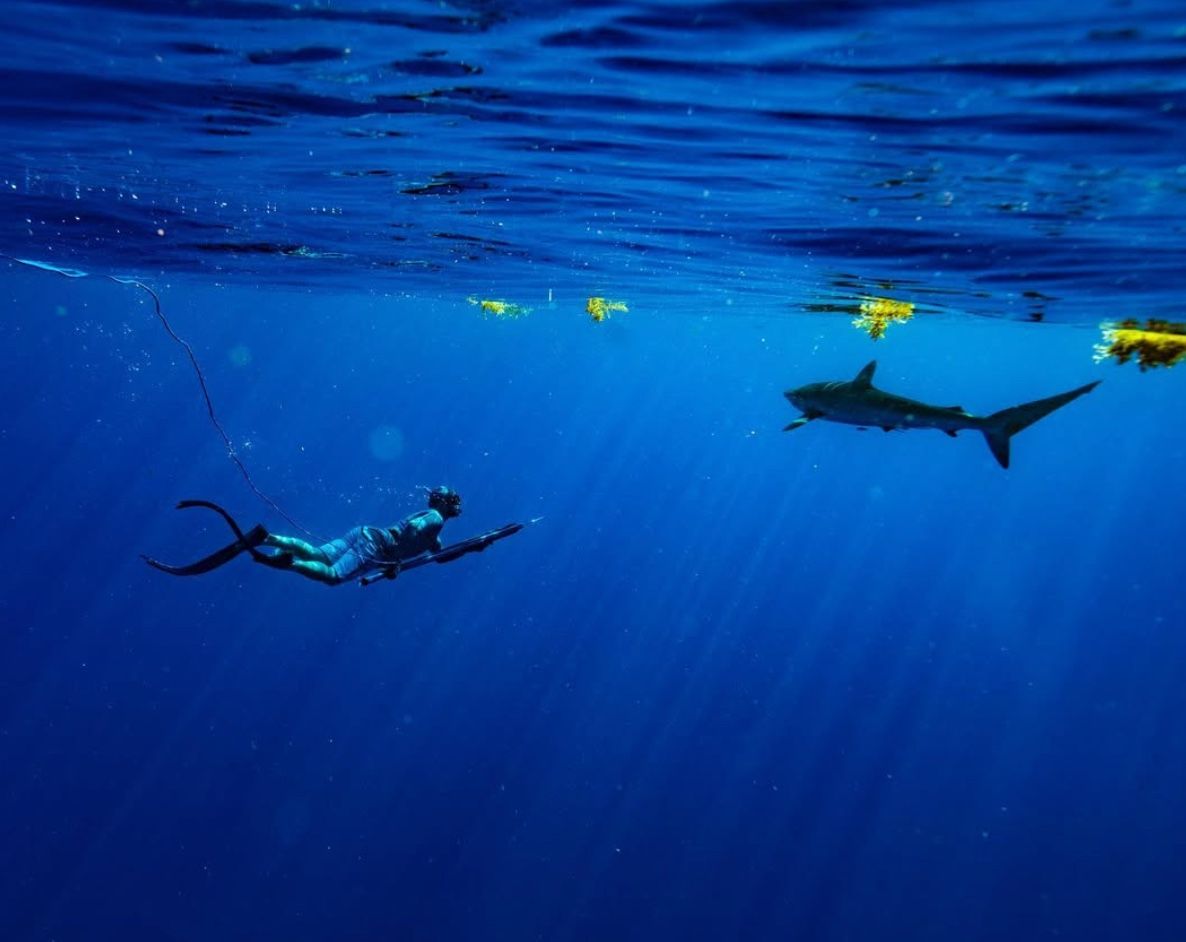
5. Will Sharks Try to Eat Me When I’m Spearfishing?
Lots of beginners ask about this, and the answer is reassuring: sharks aren’t interested in eating you. Most species you’ll encounter are cautious and keep their distance. What can attract their attention, however, is the fish you’ve speared. The scent of blood or a struggling fish may bring curious sharks closer.
That’s why safety practices matter:
-
Keep your catch on a float line or stringer away from your body.
-
Stay calm if you see a shark. Splashing or panicking can make the situation worse.
-
Work with a buddy. One person can watch while the other dives.
Shark encounters are rare and usually harmless, especially in beginner-friendly areas close to shore. With proper habits, sharks are simply part of the ocean environment—not a threat to your safety.
6. Learn from Professionals
One of the best ways to start spearfishing is by going out with an experienced guide or charter. Professional captains know the best spots, teach technique, and ensure that you stay safe while learning. A spearfishing charter trip accelerates your learning curve and can help you avoid beginner mistakes.
How Much Does It Cost to Get Started in Spearfishing?
One of the most common questions beginners have is, “How much will it cost me to try spearfishing?” The good news is that you don’t need to buy all the gear upfront or invest thousands of dollars to get started — you can ease in with freediving lessons and charter trips before deciding how serious you want to get.
Freediving Lessons – Many dive shops and instructors offer beginner-level freediving courses. A one-day introduction typically costs $150–$250 per person, while a more comprehensive two-day certification course usually runs $300–$500. These classes teach you the basics of breath-hold diving, equalization, and safety protocols — all essential skills for spearfishing.
Spearfishing Charters – Booking a charter is the easiest way to try spearfishing without buying gear. They typically provide the equipment, instruction, and local knowledge, so you can just enjoy the activity. Depending on trip length, the area, and the reputation of the charter, expect to pay:
-
Half-day trip (4 hours): $600–$900 total
-
Three-quarter day (6 hours): $900–$1,200 total
-
Full-day trip (8 hours): $1,200–$1,800 total
Since most boats accommodate 4–6 guests, the cost per person can be very reasonable when split among a group.
When you add it all up, your first spearfishing experience could cost as little as a few hundred dollars — an affordable entry point for an unforgettable experience.
Recommended Florida Keys Spearfishing Charters
If you’re ready to try spearfishing, booking a charter is the easiest way to get started. Here are three highly rated options available on our website:
-
Forever Young Charters in Islamorada, Florida – Forever Young Charters offers thrilling spearfishing adventures in the Florida Keys, perfect for both beginners and experienced divers. With a passion for the sport and a focus on safety and comfort, they make every spearfishing trip an unforgettable experience.
-
WetDream Charters in Key West, Florida – Captain Ben specializes in spearfishing charters in Key West, offering half, three-quarter, and full-day trips tailored to all experience levels. Aboard a 25’ Seacraft, he guides guests in targeting species like snapper and grouper, ensuring both safety and an unforgettable adventure.
-
SeasTheDay Charters in Key West, Florida – Captain Conrad, a Florida Keys native, offers customized spearfishing charters in Key West for all skill levels, targeting species like Hogfish, Snapper, and Grouper while exploring vibrant reefs and wrecks.
Each of these charters is run by licensed captains who love introducing newcomers to the sport.
7. Respect the Ocean
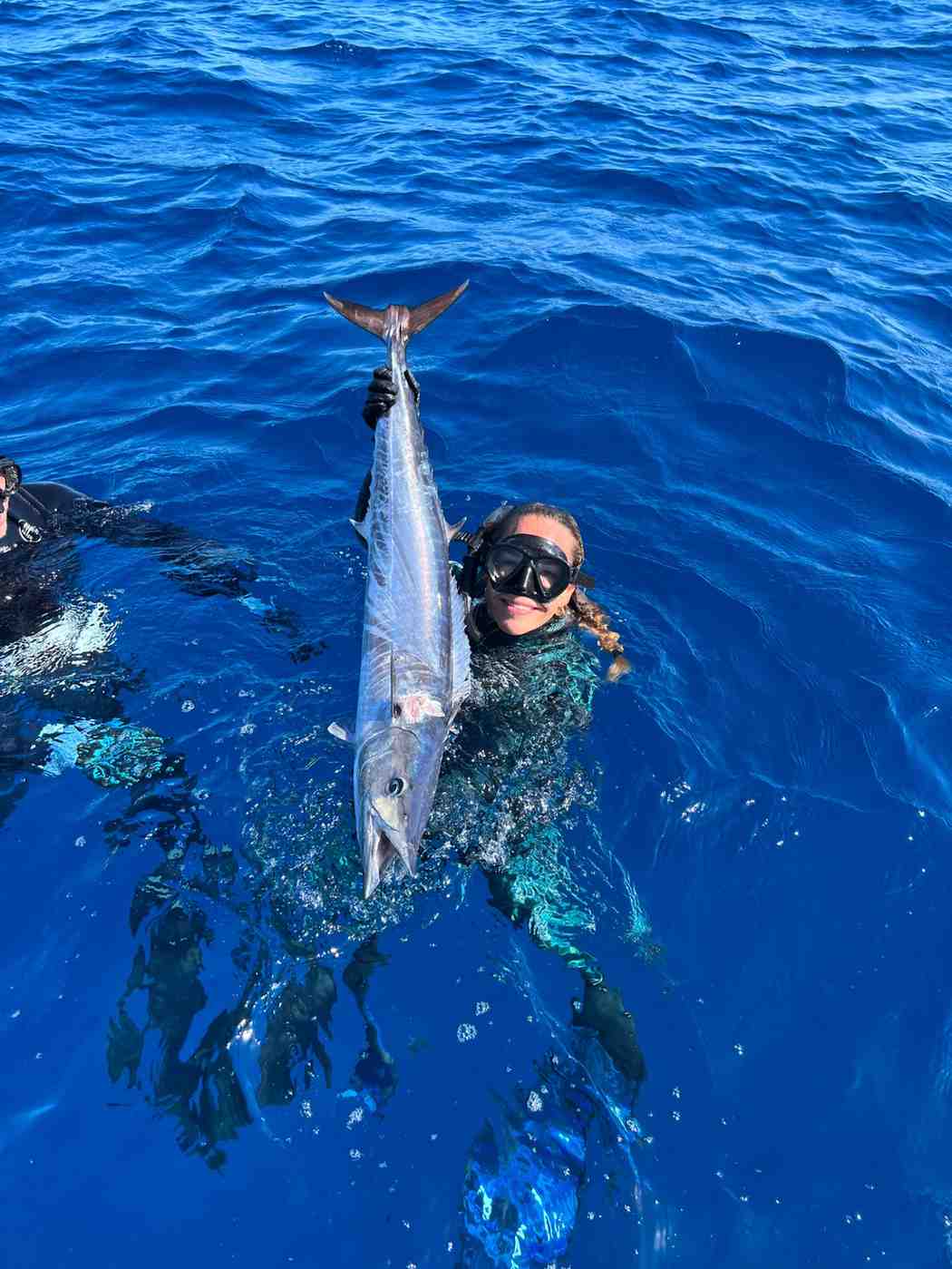
Spearfishing isn’t just about catching fish—it’s about entering the underwater world as a guest. Take only what you plan to eat, avoid damaging coral reefs, and learn about the species you pursue. Respect for the ocean ensures the sport remains sustainable and rewarding for years to come.
Final Thoughts
Spearfishing is more than a sport—it’s a lifestyle that blends adventure, mindfulness, and a deep respect for nature. Starting out may feel daunting, but with the right mindset, gear, and guidance, anyone can learn to do it safely and responsibly. Begin in shallow water, invest in proper training, and consider booking a trip with an experienced charter to set yourself up for success.
By starting small and practicing often, you’ll soon experience the thrill of your first catch and the satisfaction of preparing a meal you harvested yourself. The ocean is waiting—are you ready to dive in?
Feel free to ask any questions you might have about anything you read in this blog.
We started Reel Guides to make it easy to book fishing trips around the United States.
Click here to browse and book your next fishing charter in Florida!
Readers can benefit from a special promotion code from Mustad Fishing.
Use promo code REELGUIDES for an additional 20% off your next order at www.mustad-fishing.com.