


Unicorn Fish: Facts, Habitat, Diet and Amazing Photos
Written By: Captain Kody Michael
Introduction to Unicorn Fish
The unicorn fish is one of the most visually striking and intriguing species found in tropical oceans. Known for the distinctive horn-like projection on its head, the unicorn fish has captured the curiosity of divers, marine biologists, and ocean enthusiasts alike. Found primarily in the Indo-Pacific region, the unicorn fish belongs to the genus Naso, a group within the surgeonfish family.
If you have ever explored coral reefs or watched underwater documentaries, chances are you have encountered the unicorn fish gliding gracefully through the water. But there is far more to this species than its unique appearance. In this comprehensive guide, we will explore everything you need to know about unicorn fish, from their habitat and behavior to their ecological importance and care in aquariums.
What Is a Unicorn Fish
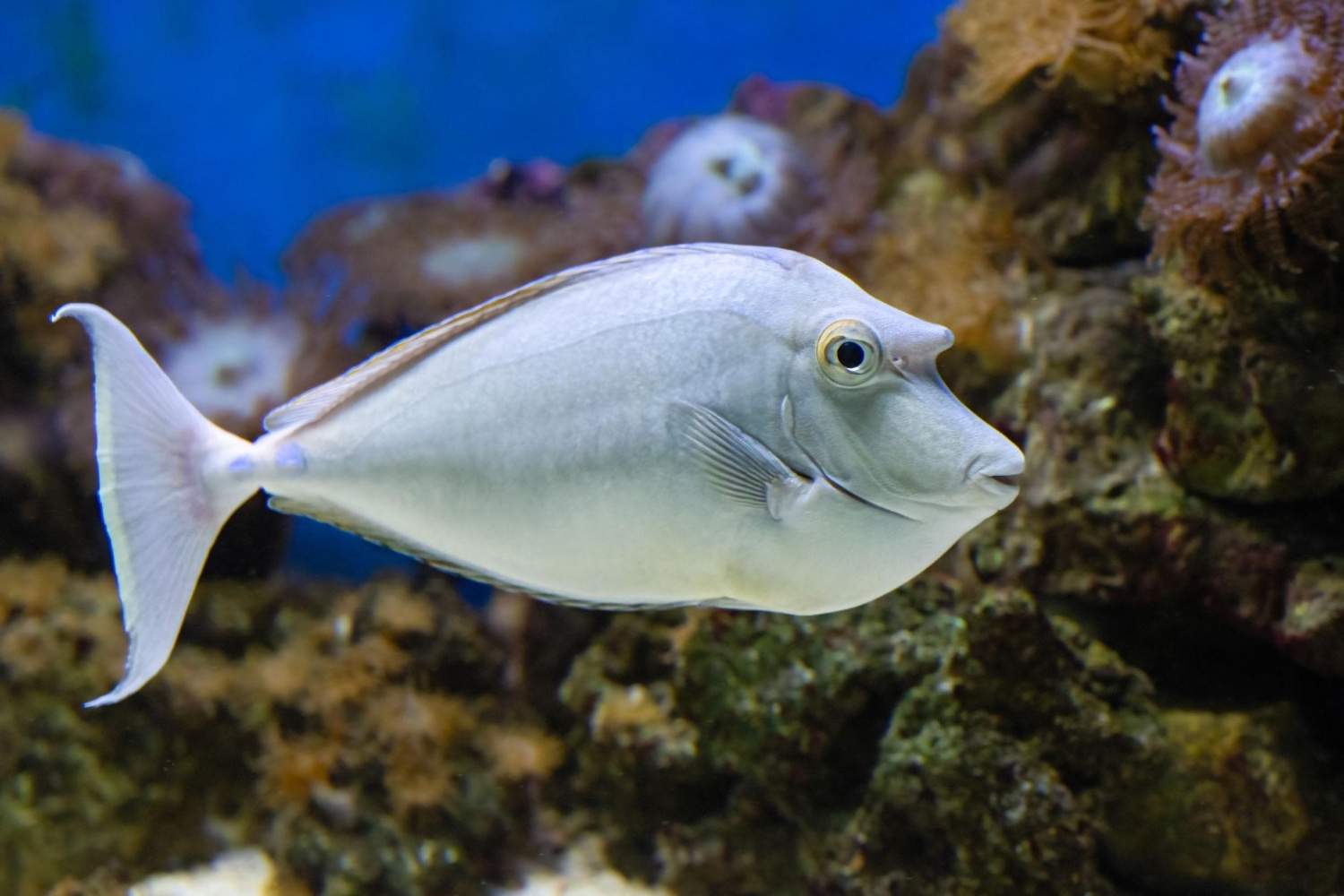
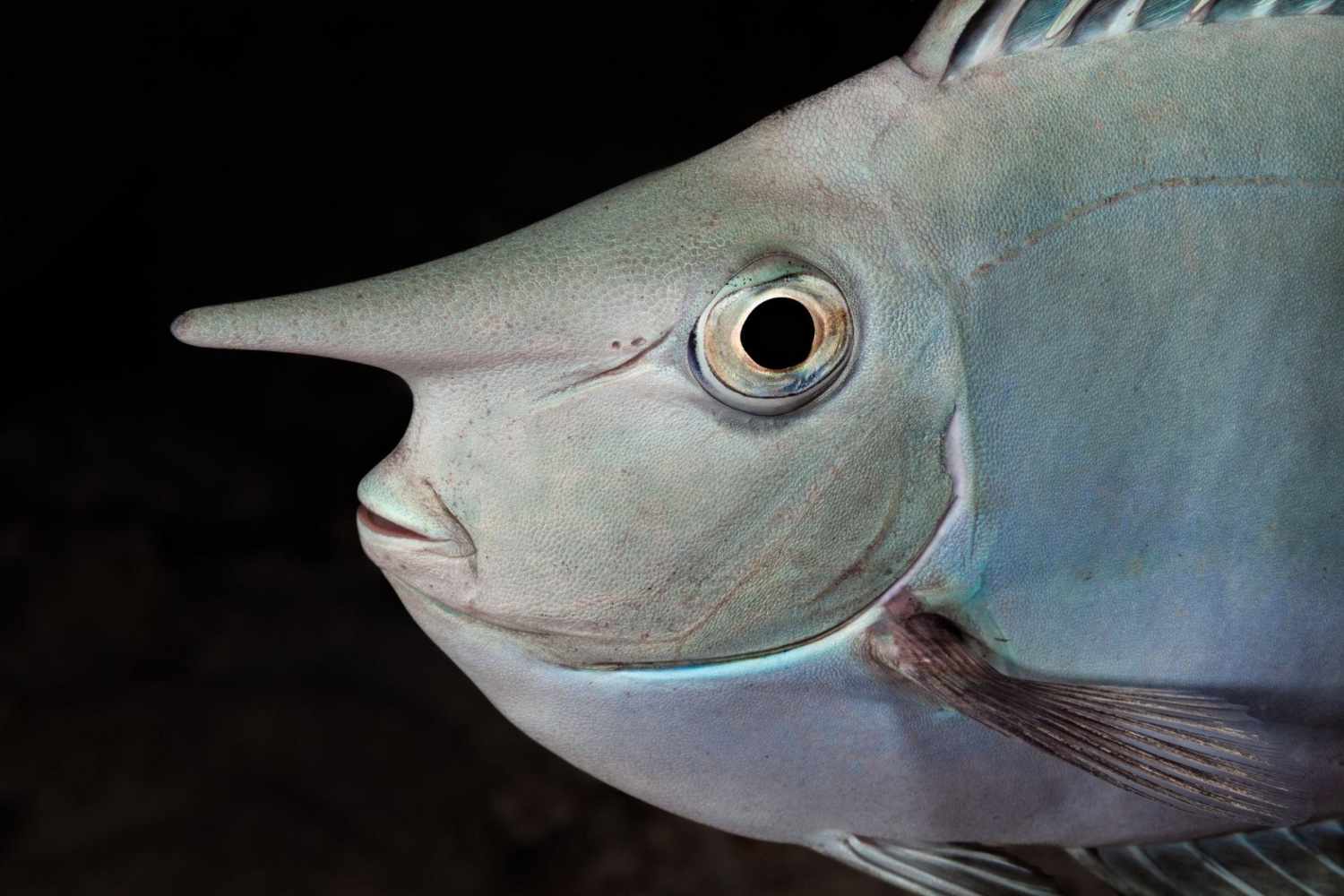
The unicorn fish is a marine fish characterized by a protruding “horn” or rostrum extending from its forehead. This feature is more prominent in some species than others and often develops as the fish matures.
Unicorn fish are part of the surgeonfish family, which also includes tangs. Unlike their relatives, unicorn fish are typically larger and have a more elongated body. Their colors range from subtle grays and blues to vibrant hues depending on the species and environment.
For a deeper scientific classification and species list, you can explore resources like Fish Base which is widely recognized for its high domain authority in marine biology.
Types of Unicorn Fish
There are several species of unicorn fish, each with unique characteristics. Some of the most popular include:
Bluespine Unicorn Fish
This species is known for its sleek gray body and blue accents along its fins. It is one of the most commonly seen unicorn fish in coral reefs.
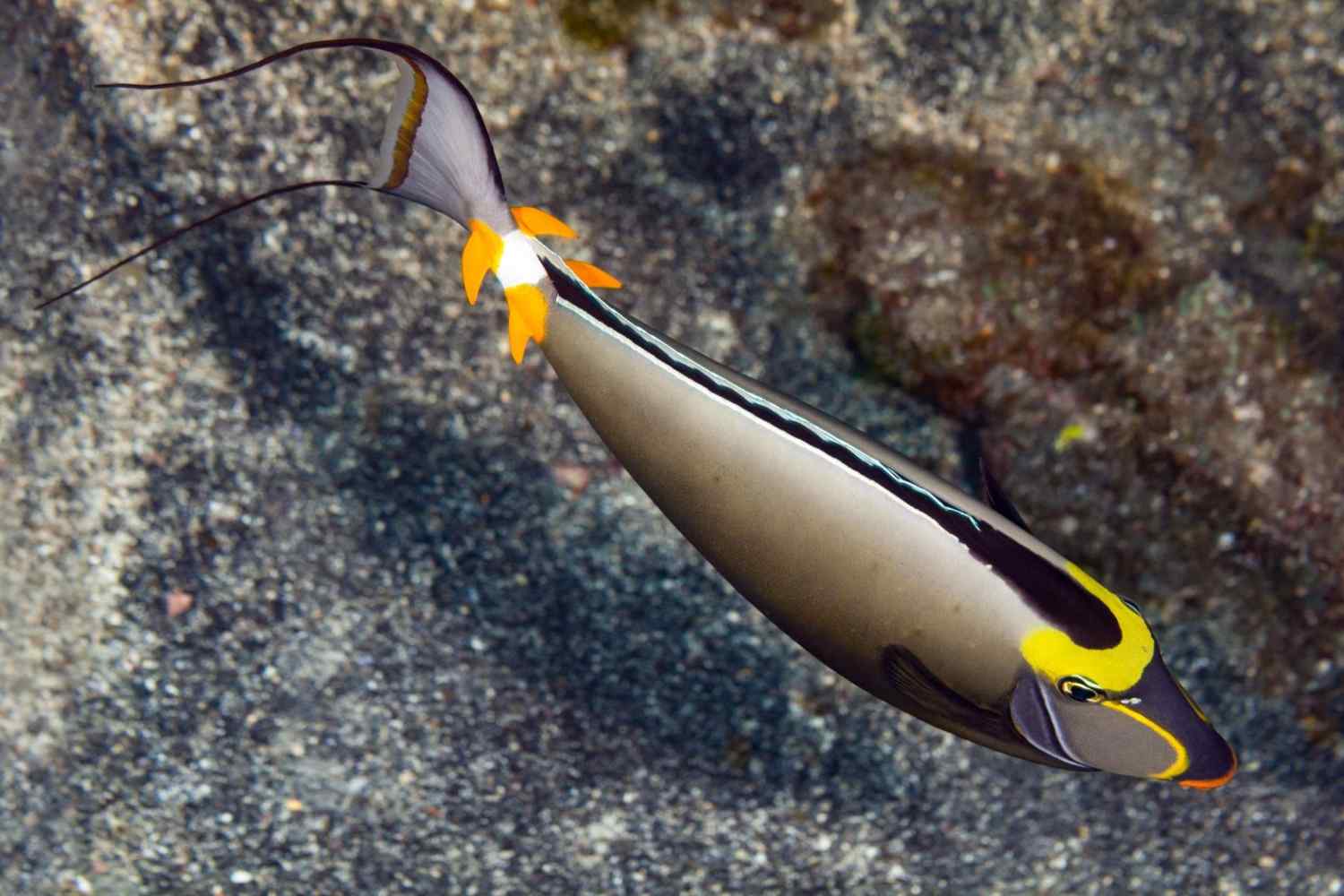
Orangespine Unicorn Fish
The orangespine unicorn fish features bright orange spines near its tail, making it easy to identify. It is often found in schools.
Shortnose Unicorn Fish
Unlike other species, the shortnose unicorn fish has a smaller or less pronounced horn. It is still considered part of the unicorn fish family and is popular among divers.
You can learn more about different marine species through reputable educational platforms such as National Geographic which provides in depth articles on ocean life.
Habitat and Distribution of Unicorn Fish
Unicorn fish are primarily found in tropical and subtropical waters. Their range includes:
- The Pacific Ocean
- The Indian Ocean
- Coral reefs around Hawaii
- Coastal regions of East Africa
- Areas near Australia and Southeast Asia
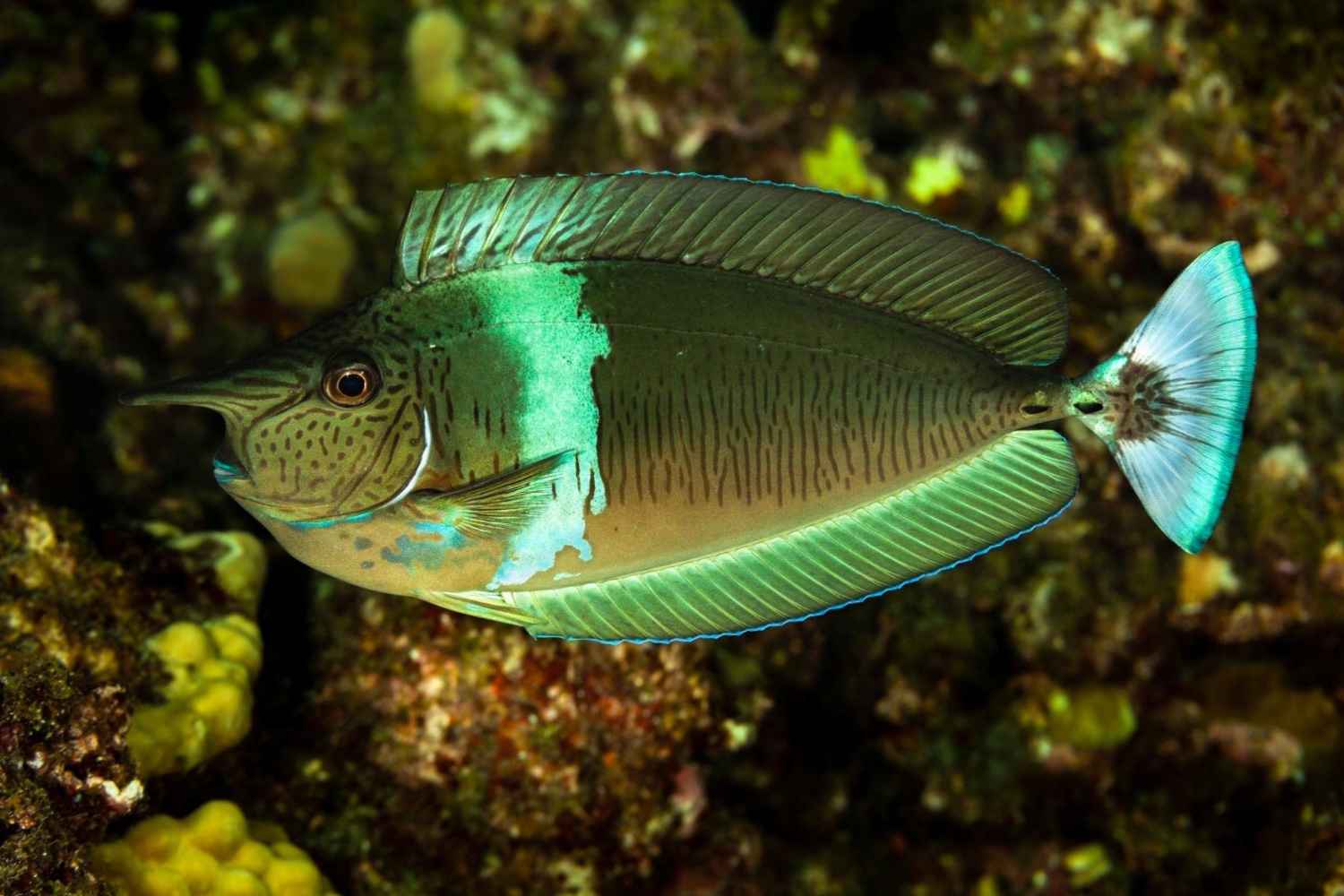
These fish thrive in coral reef ecosystems where they have access to abundant algae and plankton. They are often seen swimming in open water near reefs or grazing along the reef surface.
Diet and Feeding Behavior
The unicorn fish plays an important role in maintaining the health of coral reefs. Most species are herbivorous, feeding primarily on algae. Some may also consume zooplankton.
By grazing on algae, the unicorn fish prevents overgrowth that can suffocate coral. This makes them essential contributors to reef balance.
Their feeding behavior includes:
- Constant grazing on reef surfaces
- Traveling in schools to find food
- Using their small mouths to scrape algae
If you want to understand reef ecosystems better, NOAA provides high quality information on marine conservation and fish behavior.
Why Do Unicorn Fish Have a Horn
One of the most frequently asked questions about the unicorn fish is the purpose of its horn. While it may look like a weapon, the horn is not typically used for fighting.
Scientists believe the horn may serve several functions:
- Species recognition
- Hydrodynamic efficiency
- Sexual selection
Interestingly, juvenile unicorn fish often lack this feature, and it develops as they mature. This suggests the horn may play a role in adulthood rather than survival at early stages.
Behavior and Social Structure
Unicorn fish are generally peaceful and social creatures. They are often found in groups, especially when feeding or migrating.
Their behavior includes:
- Schooling for protection
- Long distance swimming
- Occasional solitary movement in larger individuals
Despite their calm nature, unicorn fish do possess sharp spines near their tails, similar to other surgeonfish. These can be used defensively if threatened.
Importance of Unicorn Fish in Marine Ecosystems
The unicorn fish is more than just a fascinating creature. It plays a vital role in maintaining the health of coral reefs.
Key ecological contributions include:
- Controlling algae growth
- Supporting biodiversity
- Maintaining coral health
Without species like the unicorn fish, coral reefs could become overrun with algae, leading to ecosystem collapse.
Organizations such as World Wildlife emphasize the importance of protecting marine biodiversity, including species like the unicorn fish.
Unicorn Fish in Aquariums
Many marine enthusiasts are interested in keeping unicorn fish in home aquariums. While it is possible, it comes with challenges.
Requirements for Keeping Unicorn Fish
- Large tank size due to their growth potential
- Stable water conditions
- Plenty of swimming space
- Algae rich diet
Unicorn fish can grow quite large, sometimes exceeding 20 inches, making them unsuitable for small aquariums.
Before considering one, it is essential to research proper care through trusted aquarium resources like Live Aquaria which is known for expert guidance.
Threats to Unicorn Fish
Like many marine species, the unicorn fish faces several threats:
- Overfishing
- Habitat destruction
- Coral bleaching
- Climate change
Coral reef degradation directly impacts the survival of unicorn fish, as they rely on these ecosystems for food and shelter.
Conservation Efforts
Efforts are being made worldwide to protect unicorn fish and their habitats. These include:
- Marine protected areas
- Sustainable fishing practices
- Coral reef restoration projects
- Public awareness campaigns
Supporting conservation organizations and reducing environmental impact can help ensure that future generations will continue to witness the beauty of the unicorn fish.
Fun Facts About Unicorn Fish
- Not all unicorn fish have a visible horn
- They are closely related to surgeonfish and tangs
- Some species can change color depending on mood or environment
- They are strong swimmers capable of long migrations
- Their name comes from their resemblance to mythical unicorns
How to Spot a Unicorn Fish While Diving
If you are planning a diving trip, spotting a unicorn fish can be an exciting experience. Look for:
- Open reef areas
- Schools of medium to large fish
- Distinctive head shape or horn
Popular diving locations where unicorn fish are commonly seen include Hawaii, the Maldives, and the Great Barrier Reef.
Travel guides on Lonely Planet often highlight top diving destinations where you can encounter species like the unicorn fish.
Conclusion
The unicorn fish is truly one of the ocean’s most unique and important species. From its iconic horn to its critical role in maintaining coral reef ecosystems, the unicorn fish deserves both admiration and protection.
Whether you are a diver, aquarium enthusiast, or simply curious about marine life, understanding the unicorn fish opens a window into the complexity and beauty of ocean ecosystems. By supporting conservation efforts and spreading awareness, we can help ensure that the unicorn fish continues to thrive in the wild.
If you want to learn more about marine biodiversity and ocean conservation, continue exploring trusted sources like National Geographic and NOAA for reliable and up to date information.
The unicorn fish is not just a fascinating creature. It is a reminder of how interconnected and delicate our oceans truly are.
Feel free to ask any questions you might have about anything you read in this blog.
For more tips and techniques on fishing, don’t forget to subscribe to our blog and follow along on our fishing adventures on our channel Reel Guides TV on YouTube.
We’re here to help you make the most of your time on the water. Happy fishing!
We started Reel Guides to make it easy to book fishing trips around the United States.
Click here to browse and book your next fishing charter in Florida!
Readers can benefit from a special promotion code from Mustad Fishing.
Use promo code REELGUIDES for an additional 20% off your next order at www.mustad-fishing.com.