

What Do River Fish Eat?
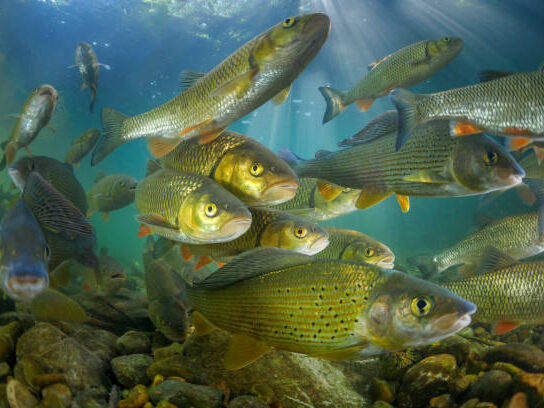
Rivers are bustling ecosystems, home to a wide variety of fish species, each with its own diet shaped by size, season, and habitat. Whether you’re an angler looking to improve your chances or simply curious about freshwater life, learning what do river fish eat offers valuable insight into their behavior and survival.
What Do River Fish Eat Explained
Natural Diet of River Fish
1. Insects and Larvae
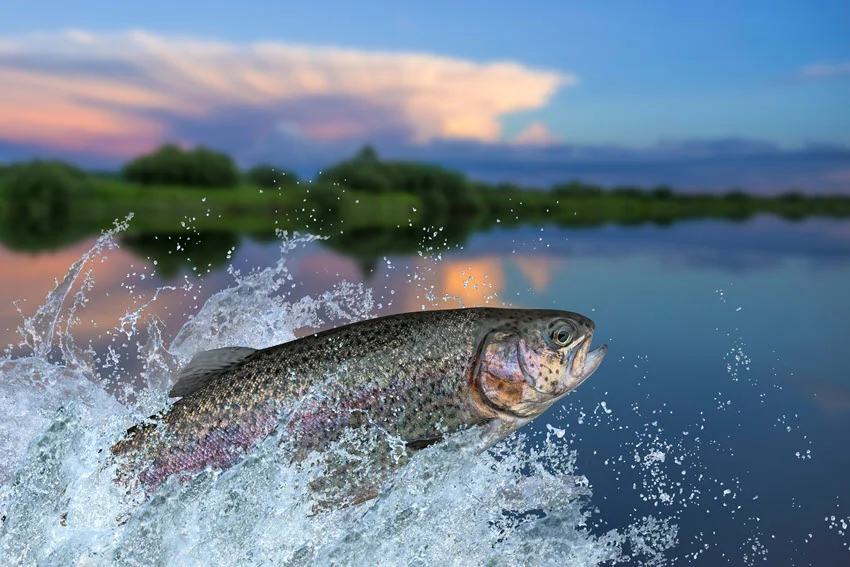
One of the primary food sources for river fish is aquatic and terrestrial insects. Many species, such as trout or bass, feed on:
-
Mayflies, caddisflies, and stoneflies in their larval stages
-
Mosquito larvae and midges
-
Adult insects that fall onto the water’s surface
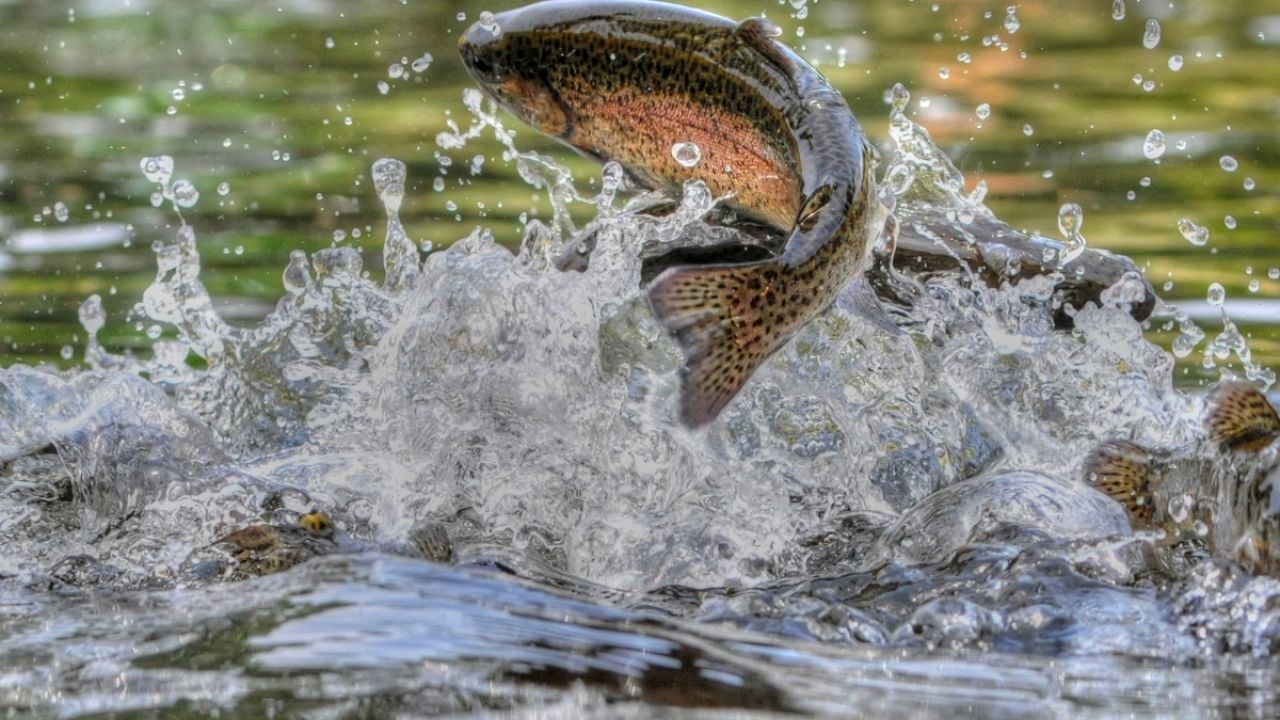
In fast-moving rivers, insect hatches can trigger feeding frenzies where fish rise repeatedly to snatch bugs off the current.
2. Small Fish and Fry
Predatory species like pike, walleye, catfish, and larger bass often prey on smaller fish. This includes minnows, shiners, or even the fry of their own kind. For these fish, hunting provides the protein needed to grow and maintain energy.
3. Crustaceans and Aquatic Invertebrates
In rivers with rocky bottoms or vegetation, fish find crayfish, freshwater shrimp, and snails. Catfish, bass, and perch are especially fond of crustaceans, crushing shells with their strong jaws.
4. Plant Matter and Algae
While many river fish are carnivorous, certain species rely on vegetation. Carp, tilapia, and some catfish graze on algae, weeds, and organic plant debris. Plant-based diets are more common in slow-moving, nutrient-rich stretches of rivers.
5. Worms and Amphibians
Earthworms washed into rivers during rainfall are a reliable food source for many species. Larger predators may also eat frogs, tadpoles, or even small salamanders when available.
Seasonal Variations in River Fish Diet
-
Spring: Rising water levels wash insects, worms, and organic matter into rivers, giving fish easy meals.
-
Summer: Insect activity peaks, so surface feeding becomes more common. Fish are also more active at dawn and dusk when temperatures are cooler.
-
Fall: Predators bulk up on smaller fish and invertebrates before winter.
-
Winter: In colder rivers, fish slow their metabolism and eat less, focusing on whatever food source is most available, often aquatic insects or dormant prey.
Human Impact on River Fish Diets
Rivers near urban or agricultural areas may see altered fish diets. Runoff introduces nutrients that fuel algae growth, while discarded bait or non-native species can shift feeding patterns. In some cases, invasive species like Asian carp compete aggressively for plankton, reducing food availability for native fish.
Tips for Anglers
Knowing what fish eat can directly improve your fishing strategy:
-
Match the Hatch: Use lures or flies that mimic local insect life.
-
Think Seasonal: Adjust your bait—worms in spring, insect imitations in summer, minnows in fall.
-
Observe the Water: Look for insect hatches, jumping baitfish, or crayfish along the rocks to guide your choice.
Final Thoughts
River fish have diverse diets that shift with their size, species, and environment. From tiny larvae drifting in the current to larger prey like crayfish or minnows, rivers provide a buffet of options. Whether you’re fishing, studying ecosystems, or just fascinated by aquatic life, paying attention to what river fish eat reveals how dynamic and interconnected freshwater systems truly are.
Feel free to ask any questions you might have about anything you read in this blog.
We started Reel Guides to make it easy to book fishing trips around the United States.
Click here to browse and book your next fishing charter in Florida!
Readers can benefit from a special promotion code from Mustad Fishing.
Use promo code REELGUIDES for an additional 20% off your next order at www.mustad-fishing.com.