


What Do Whales Eat? Whale Diet Explained
Written By: Captain Kody Michael
Understanding what do whales eat helps scientists better understand ocean ecosystems, food chains, migration patterns, and conservation efforts. Whales play a vital role in maintaining healthy oceans, and their feeding habits influence everything from fish populations to nutrient cycling in marine environments.
In this guide, we will explore exactly what whales eat, how they hunt, and why their diets are so important to ocean health.
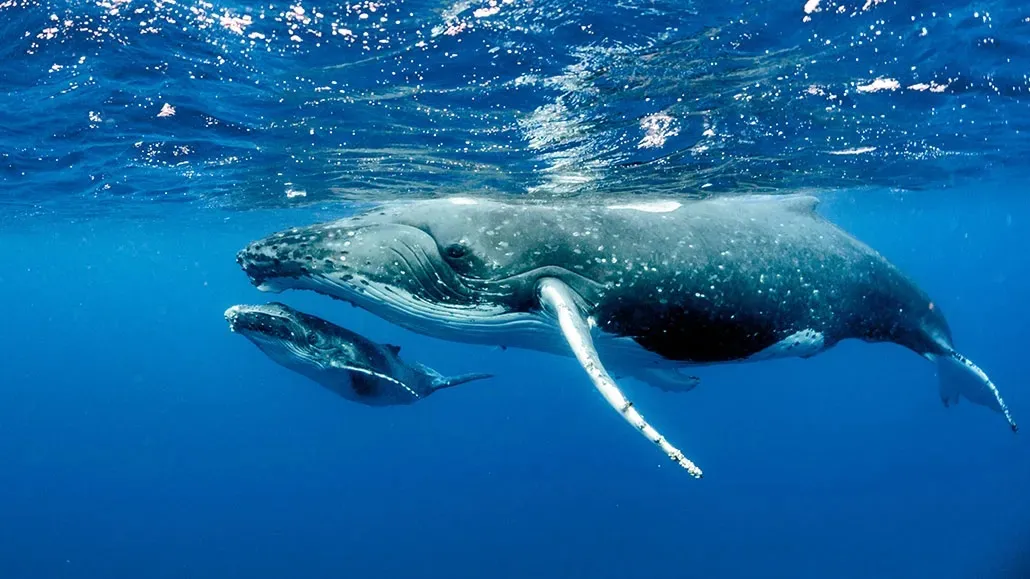
What Do Whales Eat?
The answer to what do whales eat depends on the species.
There are more than 90 species of whales, dolphins, and porpoises in the cetacean family. Their diets can vary significantly based on their size, habitat, and feeding methods.
Most whales eat one or more of the following:
- Krill
- Plankton
- Small fish
- Squid
- Octopus
- Crustaceans
- Seals
- Sea lions
- Other marine mammals
Scientists generally divide whales into two major groups:
Baleen Whales
Baleen whales filter food from seawater using specialized baleen plates instead of teeth.
Examples include:
- Blue Whale
- Humpback Whale
- Fin Whale
- Minke Whale
- Right Whale
Most baleen whales primarily consume krill, plankton, and small schooling fish.
Toothed Whales
Toothed whales actively hunt prey using teeth and sophisticated echolocation.
Examples include:
- Sperm Whale
- Orca
- Beluga Whale
- Narwhal
- Pilot Whale
These whales typically eat fish, squid, and other marine animals.
Learn more about whale species from the official NOAA Fisheries website.
What Do Blue Whales Eat?
When people ask what do whales eat, they are often thinking about blue whales.
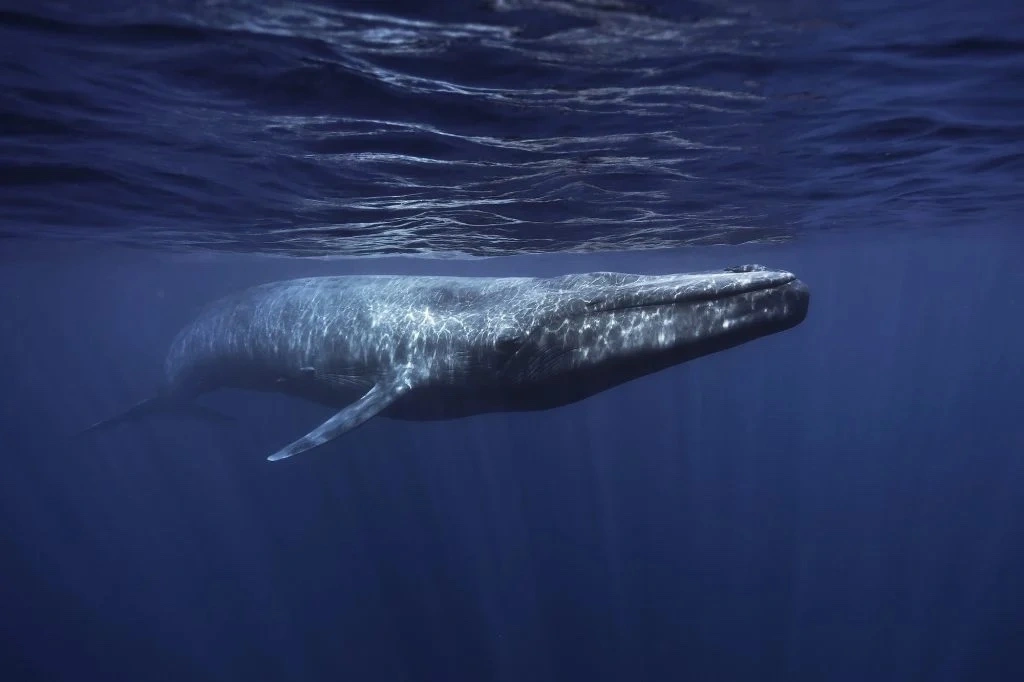
The Blue Whale is the largest animal ever known to exist. Despite reaching lengths of more than 100 feet and weighing up to 200 tons, blue whales feed almost exclusively on tiny krill.
During feeding season, a single blue whale can consume up to four tons of krill per day.
Blue whales use a feeding strategy called lunge feeding. They accelerate through dense swarms of krill with their mouths open, taking in enormous amounts of water. Their baleen plates then filter out the krill while the water is expelled.
According to the Smithsonian Institution, blue whales depend heavily on healthy krill populations to survive.
What Do Humpback Whales Eat?
Humpback whales primarily eat:
- Krill
- Small fish
- Herring
- Sand lance
- Capelin
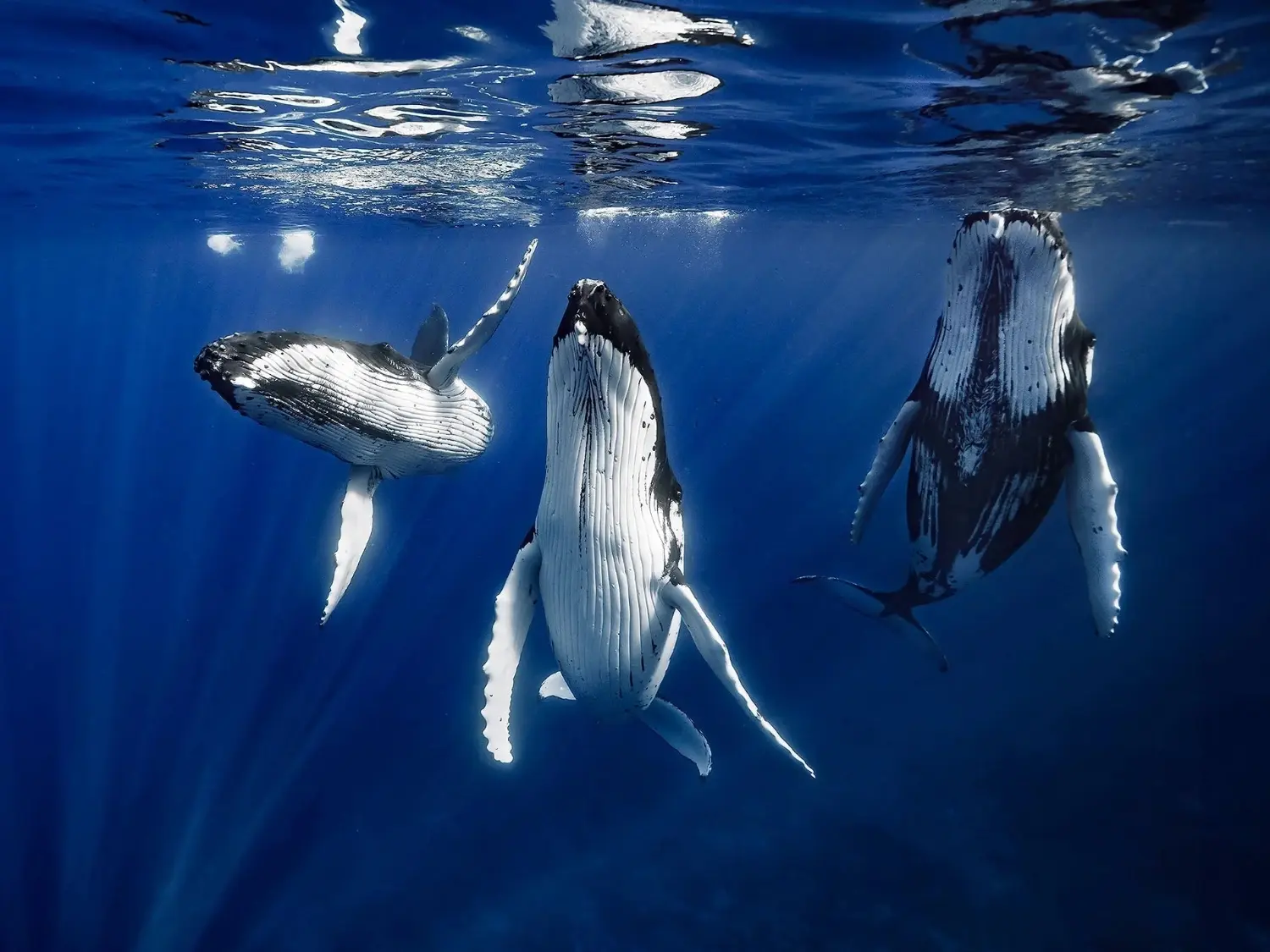
One of the most fascinating feeding behaviors in the animal kingdom belongs to humpback whales.
They often use a technique called bubble net feeding. Groups of whales swim beneath schools of fish while releasing bubbles in a circular pattern. The bubbles create a barrier that traps the fish, allowing the whales to swim upward through the center with their mouths open.
This remarkable cooperative hunting strategy demonstrates the intelligence and social behavior of humpback whales.
What Do Sperm Whales Eat?
Sperm whales are among the deepest diving mammals on Earth.
Unlike baleen whales, sperm whales possess teeth and actively hunt prey.
Their diet consists mainly of:
- Giant squid
- Colossal squid
- Deep sea fish
- Octopus
A sperm whale can dive more than 7,000 feet below the ocean surface in search of food. Scientists believe battles between sperm whales and giant squid occur regularly in the deep ocean.
Many sperm whales bear circular scars from squid tentacles, providing evidence of these underwater encounters.
For more information about deep sea marine life, visit the Woods Hole Oceanographic Institution.
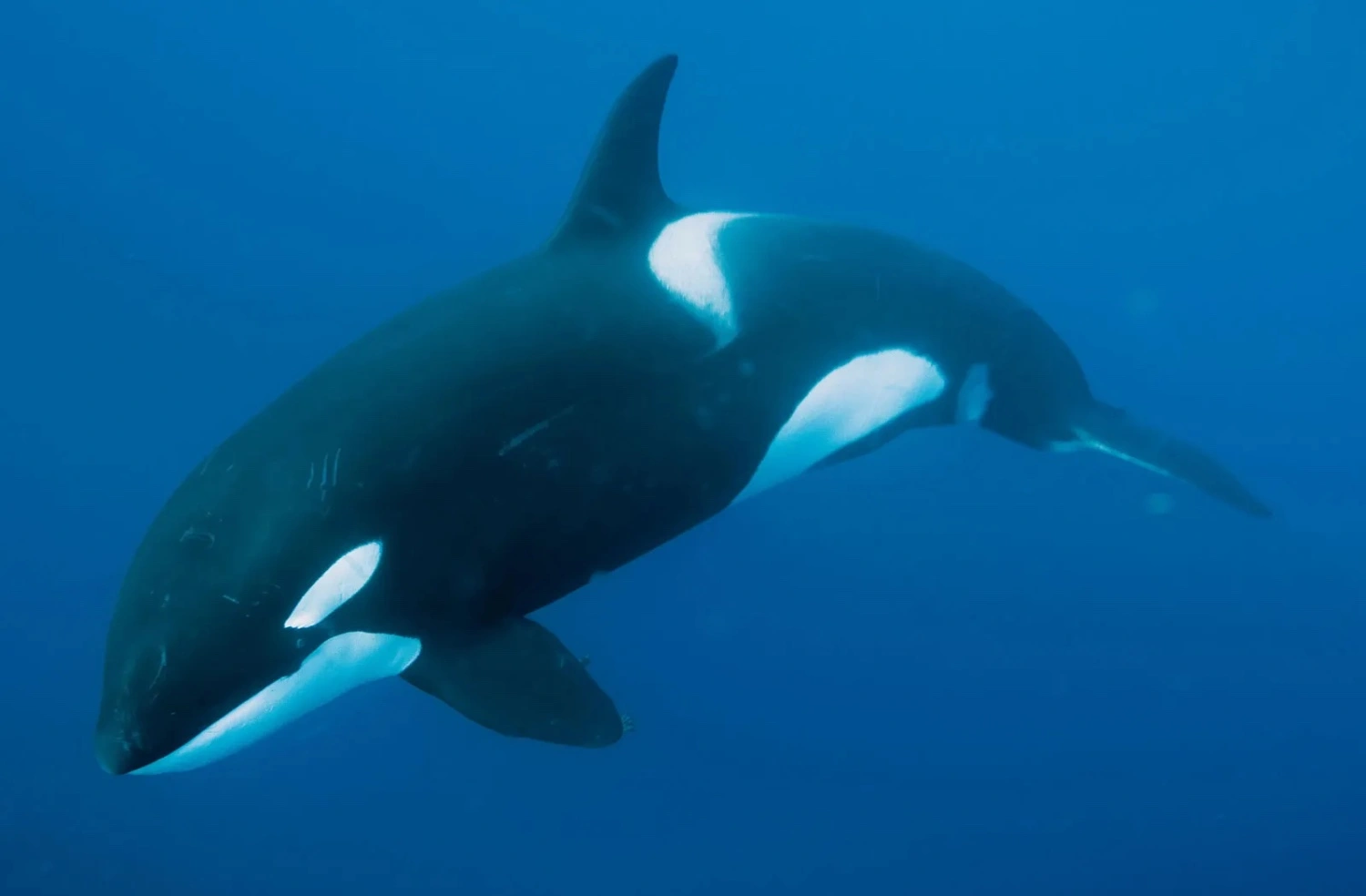
What Do Orcas Eat?
Orcas, also known as killer whales, have one of the most diverse diets of any whale species.
When discussing what do whales eat, orcas often stand out because they sit at the top of the marine food chain.
Depending on the population, orcas may eat:
- Salmon
- Tuna
- Sharks
- Seals
- Sea lions
- Dolphins
- Porpoises
- Penguins
- Other whales
Some orca populations specialize in certain prey. For example, resident orcas in the Pacific Northwest primarily eat salmon, while transient orcas focus on marine mammals.
This specialization demonstrates the incredible adaptability of killer whales.
How Much Food Do Whales Eat?
The amount of food whales consume varies dramatically.
Some examples include:
| Whale Species | Daily Food Consumption |
|---|---|
| Blue Whale | Up to 8,000 pounds of krill |
| Humpback Whale | Up to 3,000 pounds of fish and krill |
| Gray Whale | Up to 2,500 pounds of benthic organisms |
| Sperm Whale | Hundreds of pounds of squid |
| Orca | Up to 500 pounds of prey |
Large whales must consume vast amounts of food because maintaining their enormous bodies requires tremendous energy.
How Do Whales Find Food?
Whales have evolved several sophisticated methods for locating prey.
Echolocation
Toothed whales emit sound waves that bounce off objects in the water.
By analyzing returning echoes, whales can determine:
- Distance
- Size
- Shape
- Movement
This biological sonar allows species like sperm whales and orcas to hunt effectively even in complete darkness.
Visual Hunting
Many whales also rely on vision when feeding near the ocean surface.
Cooperative Hunting
Some whale species work together to increase hunting success.
Examples include:
- Orca hunting pods
- Humpback bubble net feeding groups
- Pilot whale social hunting behavior
These strategies improve efficiency and maximize food intake.
Why Are Krill So Important?
Krill are tiny shrimp like crustaceans found throughout the world’s oceans.
Although they are small, krill represent one of the most important food sources in marine ecosystems.
Many large whale species depend heavily on krill, including:
- Blue whales
- Fin whales
- Humpback whales
- Minke whales
The health of krill populations directly impacts whale survival.
Scientists monitor krill populations closely because climate change and warming oceans may affect krill abundance in key feeding grounds.
The Antarctic ecosystem relies heavily on krill, making them one of the most important species on the planet.
More information about Antarctic ecosystems can be found through the British Antarctic Survey.
Do Whales Eat Humans?
A common question related to what do whales eat is whether whales eat humans.
The answer is generally no.
Most whales physically cannot swallow a human because their throats are too small.
Blue whales, despite being enormous, have throats roughly the size of a grapefruit.
Toothed whales such as orcas possess larger throats but do not naturally view humans as prey.
Documented cases of whales intentionally eating humans are extraordinarily rare.
How Does Whale Feeding Benefit the Ocean?
Whales are more than just consumers. They actively support ocean health.
Scientists have discovered that whale feeding and migration contribute to nutrient cycling throughout marine ecosystems.
This process is often called the “whale pump.”
When whales feed at depth and release nutrient rich waste near the surface, they help fertilize phytoplankton growth.
Phytoplankton produce significant amounts of the world’s oxygen and absorb carbon dioxide from the atmosphere.
According to research published by the International Monetary Fund, healthy whale populations may contribute substantially to carbon sequestration and climate regulation.
How Climate Change Affects What Whales Eat
Climate change is altering ocean conditions worldwide.
These changes can impact:
- Krill populations
- Fish migration patterns
- Ocean temperatures
- Sea ice coverage
- Food availability
As prey species move or decline, whales may need to travel farther to find sufficient food.
Scientists continue to study how changing ocean conditions affect feeding behavior and migration routes.
Protecting whale feeding grounds remains a major conservation priority.
You can learn more about marine conservation efforts through the World Wildlife Fund.
Frequently Asked Questions About What Do Whales Eat
What do whales eat the most?
Most whale species consume krill, fish, squid, or plankton. Krill is the primary food source for many large baleen whales.
Do all whales eat fish?
No. Many whales eat primarily krill and plankton rather than fish.
What do blue whales eat?
Blue whales feed almost exclusively on krill and can consume several tons daily.
What do killer whales eat?
Killer whales eat fish, sharks, seals, sea lions, dolphins, and even other whales depending on the population.
Do whales eat sharks?
Some orca populations regularly hunt and consume sharks, including great white sharks.
Final Thoughts on What Do Whales Eat
So, what do whales eat?
The answer depends on the species. Some whales filter tiny krill and plankton from the water, while others hunt squid, fish, seals, and even other marine mammals. From the gigantic blue whale feeding on microscopic crustaceans to the powerful orca hunting apex predators, whale diets are incredibly diverse.
Understanding what do whales eat provides valuable insight into marine ecosystems and highlights the importance of protecting ocean habitats. Healthy whale populations depend on healthy oceans, and by conserving marine environments, we help ensure these remarkable creatures continue thriving for generations to come.
Whether you are a marine biology enthusiast, student, angler, or simply curious about ocean life, learning what do whales eat reveals just how fascinating and interconnected our oceans truly are.
Feel free to ask any questions you might have about anything you read in this blog.
We started Reel Guides to make it easy to book fishing trips around the United States.
Click here to browse and book your next fishing charter in Florida!
Readers can benefit from a special promotion code from Mustad Fishing.
Use promo code REELGUIDES for an additional 20% off your next order at www.mustad-fishing.com.