


What Does Pelagic Fish Mean?
If you’ve ever heard the term and wondered what does pelagic fish mean, you’re not alone. In simple terms, pelagic fish are species that live in the open ocean rather than near the bottom or close to shore. They roam the water column, often in schools, traveling long distances and feeding in the vast blue expanses of the sea. These fish are important to both marine ecosystems and humans—whether you’re a recreational angler chasing big game species, or part of a global community relying on them for food.
Examples of Pelagic Fish
To really understand what does pelagic fish mean, let’s look at some of the most recognized species:
-
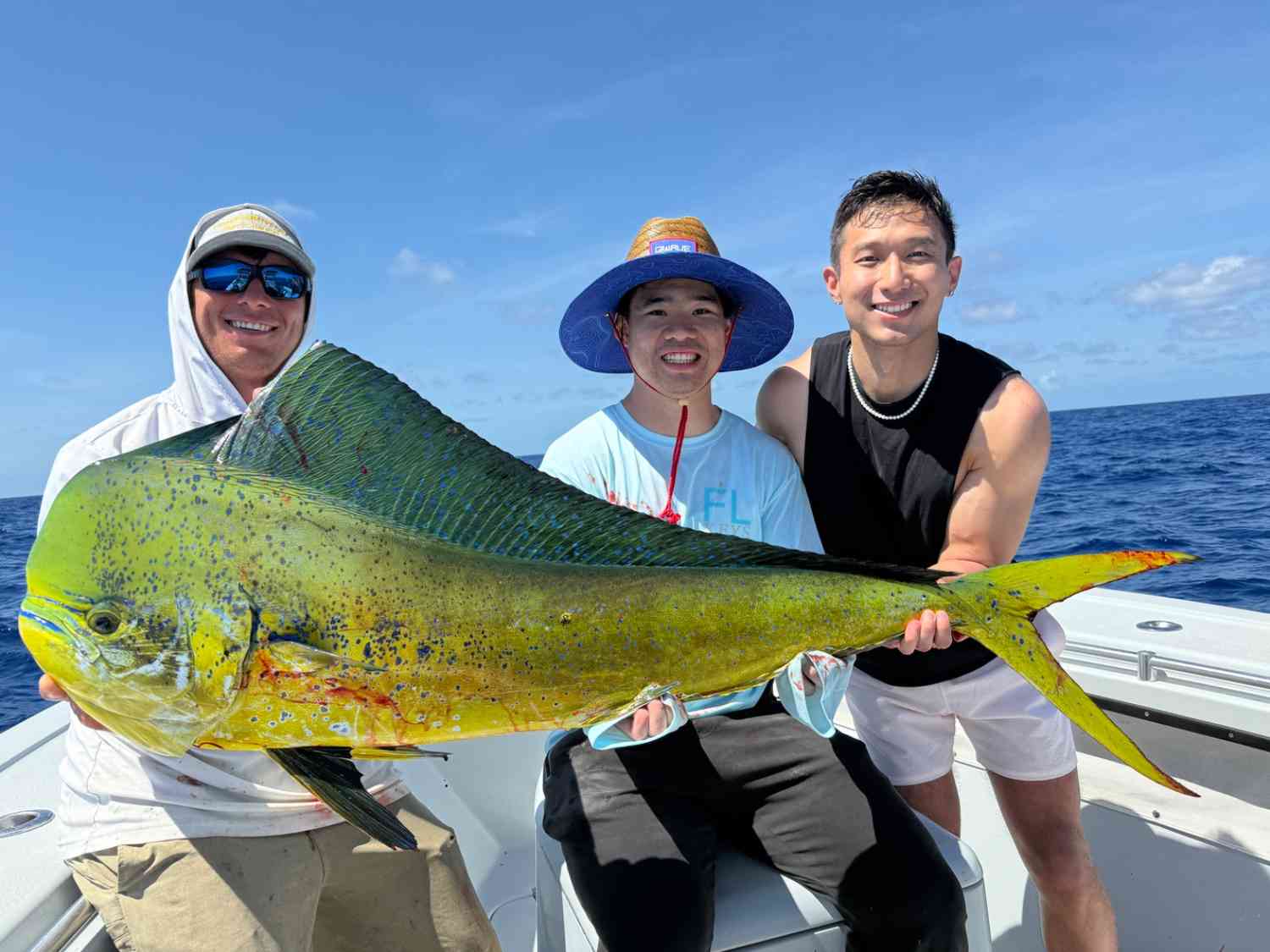
Mahi-Mahi (Dolphinfish): Famous for their dazzling green and gold colors, mahi are fast-growing, fast-swimming, and a favorite among offshore anglers for their fight and flavor.
-
Tuna: From yellowfin to bluefin, tuna are powerful, migratory fish capable of crossing oceans. Their speed, size, and value make them one of the most important pelagic species on the planet.
-
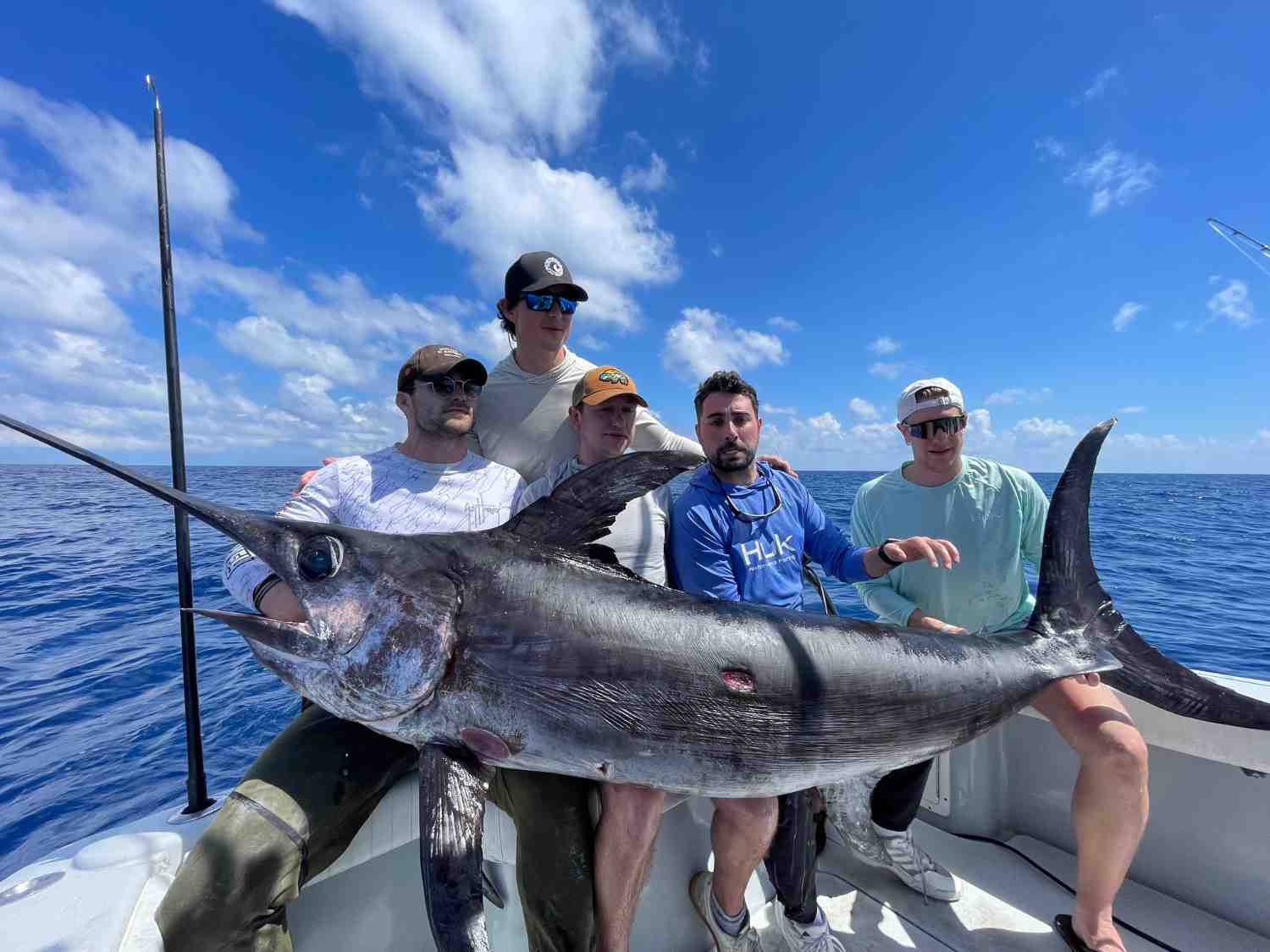
Swordfish: Known for their long, flat bill, swordfish are unique because they dive thousands of feet deep to hunt at night before returning toward the surface.
-
Sailfish: Arguably the fastest fish in the sea, sailfish are instantly recognizable with their towering dorsal fin and acrobatic leaps when hooked.
-
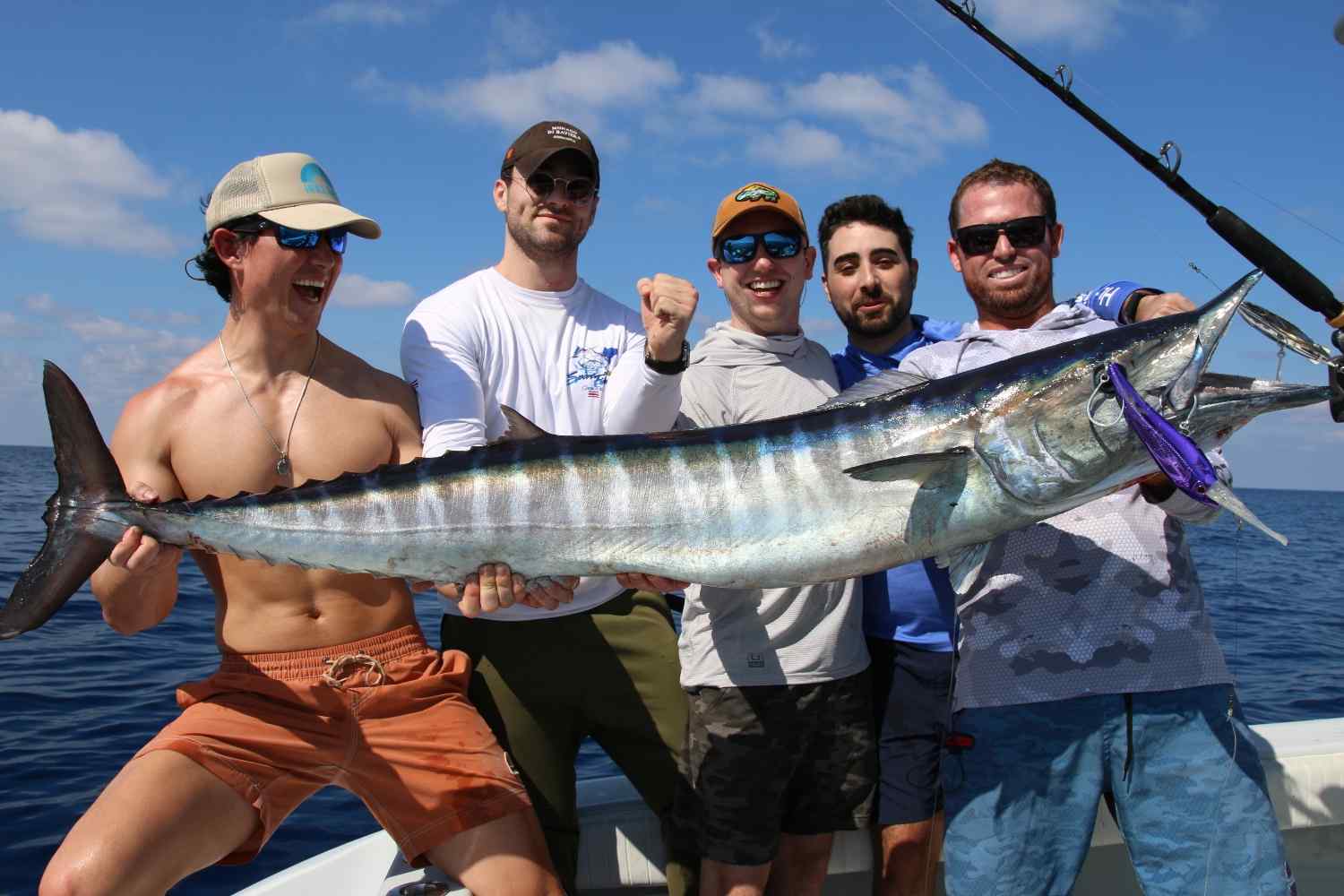
Wahoo: Sleek and torpedo-shaped, wahoo are lightning-fast predators often caught while trolling offshore. Their delicate white meat makes them highly prized on the dinner table.
These examples show that pelagic fish are some of the ocean’s most iconic and exciting species, combining speed, migratory patterns, and global importance.
What Does Pelagic Fish Mean in Marine Science?
Marine scientists classify fish into two broad categories: demersal (bottom-dwellers like grouper and flounder) and pelagic (open-ocean swimmers). When we ask what does pelagic fish mean, the answer points to fish that spend nearly all of their lives in the open water, rarely interacting with reefs, rocks, or the seabed.
Pelagic fish can be grouped by the depth zones they occupy:
-
Epipelagic (surface to ~650 ft / 200 m): Where light still penetrates and most game fish like tuna, mahi, sailfish, and wahoo are found.
-
Mesopelagic (650–3,300 ft / 200–1,000 m): The “twilight zone,” home to lanternfish and other species that rise at night to feed.
-
Bathypelagic (3,300–13,000 ft / 1,000–4,000 m): The deep, dark “midnight zone,” where some predatory species, like swordfish, dive to hunt.
So, what does pelagic fish mean in biology? It describes fish adapted to a life of constant motion in open water, often with streamlined bodies built for speed and endurance.

Why Are Pelagic Fish Important?
Understanding what does pelagic fish mean also means recognizing their ecological and economic significance. Pelagic fish are a cornerstone of marine food webs—feeding on plankton, squid, or smaller fish, while also serving as prey for sharks, marine mammals, and seabirds.
For humans, they represent billions of dollars annually in commercial and recreational fishing. Anglers travel worldwide to target pelagic giants like tuna and marlin, while seafood markets depend on species like tuna and mahi to feed millions. However, because these fish migrate across entire oceans, their populations are especially vulnerable to overfishing. Effective management and conservation efforts are essential to keep these species thriving for generations to come.
Pelagic Fish vs. Demersal Fish
Another way to clarify what does pelagic fish mean is to contrast them with demersal species. Demersal fish, like snapper or grouper, tend to stay close to the ocean floor, relying on reefs or rocky bottoms for food and shelter. Pelagic fish, on the other hand, rarely interact with the seafloor. They live in the “blue desert,” navigating wide-open spaces and often covering thousands of miles during seasonal migrations.
This difference in lifestyle impacts everything from how anglers target them (trolling open water vs. bottom fishing structure) to how scientists manage their populations.
Conclusion: The Takeaway
So, what does pelagic fish mean? In short, it refers to fish that live in the open ocean, free from the bottom or shoreline. From mahi and tuna to swordfish, sailfish, and wahoo, pelagic fish embody the power and beauty of the sea. They are essential to marine ecosystems, critical for global food supply, and a source of adventure for anglers worldwide. Next time you hear the phrase, you’ll know it describes the wide-ranging, open-ocean fish that keep our seas connected and alive.

Feel free to ask any questions you might have about anything you read in this blog.
We started Reel Guides to make it easy to book fishing trips around the United States.
Click here to browse and book your next fishing charter in Florida!
Readers can benefit from a special promotion code from Mustad Fishing.
Use promo code REELGUIDES for an additional 20% off your next order at www.mustad-fishing.com.