


Moon Phases and Fishing
Written By: Captain Kody Michael
When you’re planning an ocean fishing trip, people often consider the weather, season, and location, but what is the best moon phase for fishing? It’s one of the most powerful forces behind a great day on the water is something most anglers overlook.
Moon phases don’t magically attract fish, but they do control the tides, light levels, and feeding patterns beneath the surface. When you understand how the lunar cycle works, you can time your trips for stronger bites, more active fish, and overall better fishing conditions.
Here’s how the moon can influence your catch and which phases offer the best opportunities.
How the Moon Affects Ocean Fishing
1. Tides and Water Movement
The moon’s gravitational pull drives the rise and fall of ocean tides.
Stronger tides = more moving water = more baitfish activity = more predators feeding.
This is why tide charts matter so much. Fish take advantage of moving water to ambush prey, so the periods around stronger tides naturally lead to more bites.
2. Light Levels at Night
A bright full moon lights up the ocean.
A dark new moon leaves everything pitch black.
These changes affect how fish hunt:
-
Some species feed more aggressively when they can see better (full moon).
-
Others prefer low-light conditions and feed heavily when it’s dark (new moon).
3. Fish Feeding Patterns
The moon can shape when fish feed most. For example:
-
Many species become more active during major and minor “moon windows,” which line up with the moon’s position overhead or underfoot.
-
Pelagic predators (like Tuna, Wahoo, and Mahi) often feed harder during strong tidal swings tied to specific moon phases.
This doesn’t mean every full or new moon guarantees a massive haul, but these phases often create the ideal conditions.
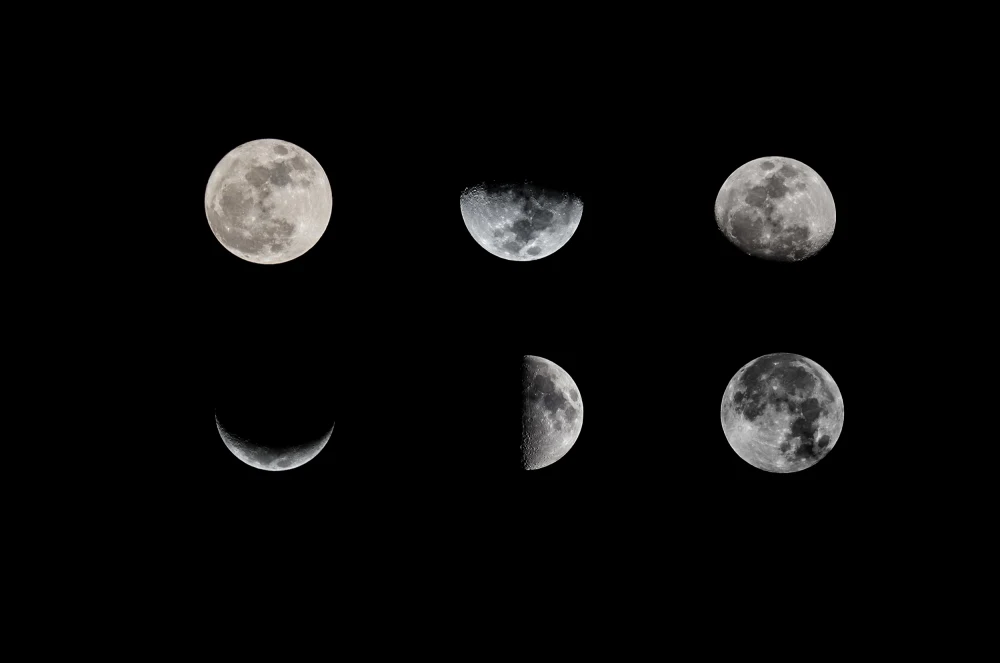
Best Moon Phases for Ocean Fishing
🌕 1. Full Moon – Increased Night Feeding & Strong Tides
The full moon creates some of the strongest tidal movement of the month.
Fish are active, baitfish are moving, and predators take advantage of the surge.
Pros:
-
Great for offshore species like Tuna, Mahi-Mahi, Wahoo, and Snapper
-
Longer nighttime feeding windows
-
Ideal for early-morning or night fishing trips
Cons:
-
Some species feed heavily at night and may be less active at dawn
-
In crystal-clear water, fish can be spookier due to brightness
🌑 2. New Moon – Peak Darkness & Aggressive Feeding
The new moon also produces strong tides, but with very low light at night.
Many species feed more aggressively when the water is dark because prey is easier to ambush.
Pros:
-
Excellent for reef and bottom fish (Snapper, Grouper)
-
Great for big game predators who like hunting in low-light
-
Inshore nighttime action can explode
Cons:
-
Navigating at night is harder
-
Some sight-feeders may be less active
🌗 🌓 3. Quarter Moons – Moderate Tides & Consistent Fishing
During the first and third quarter moons, tides are weaker.
This can actually be beneficial for:
-
Bottom fishing in strong-current areas
-
Deep-dropping
-
Jigging
-
Situations where too much tide makes fishing difficult
While these phases don’t produce the explosive feeding that full/new moons do, they offer steady, predictable action and easier presentations.
So… Which Moon Phase Is “Best”?
It depends on what you’re targeting:
| Species Type | Best Moon Phase | Why |
|---|---|---|
| Tuna, Wahoo, Mahi | Full or New Moon | Strong tides push bait and increase offshore feeding |
| Snapper & Grouper | New Moon | Low light = aggressive ambush feeding |
| Tarpon, Snook (inshore) | Full/ New Moon at night | Increased nighttime movement |
| Bottom Fish in heavy tide zones | Quarter Moons | Easier to fish without overpowering current |
How to Use Moon Phases to Improve Your Catch
✔ Check tide charts when planning your trip
If you can fish a strong incoming or outgoing tide, you’re already ahead.
✔ Look at moonrise and moonset times
Major feeding windows often occur when the moon is directly overhead or underfoot.
✔ Match moon phase to your target species
Are they sight-feeders? Ambush hunters? Current-reliant? This will guide your timing.
✔ Consider nighttime vs. daytime
Full moon = bright night → better nighttime fishing
New moon = dark night → early morning bites may be stronger
Final Takeaway
Moon phases won’t guarantee a cooler full of fish, but they absolutely shape the conditions that make fish more or less active. By understanding tides, light, and feeding behavior, you can dramatically increase your chances of a great trip.
Plan around the moon, pick the right phase for your target species, and your next ocean adventure could be one of your best yet.
Feel free to ask any questions you might have about anything you read in this blog.